A man released early from a prison sentence for terror offences who was shot dead by police after going on a stabbing spree, was lawfully killed, an inquest jury said Friday (20).
But the jury at the Royal Courts of Justice in central London also concluded that the attack could have been prevented if Sudesh Amman had been recalled to prison after buying items used to make a fake suicide belt.
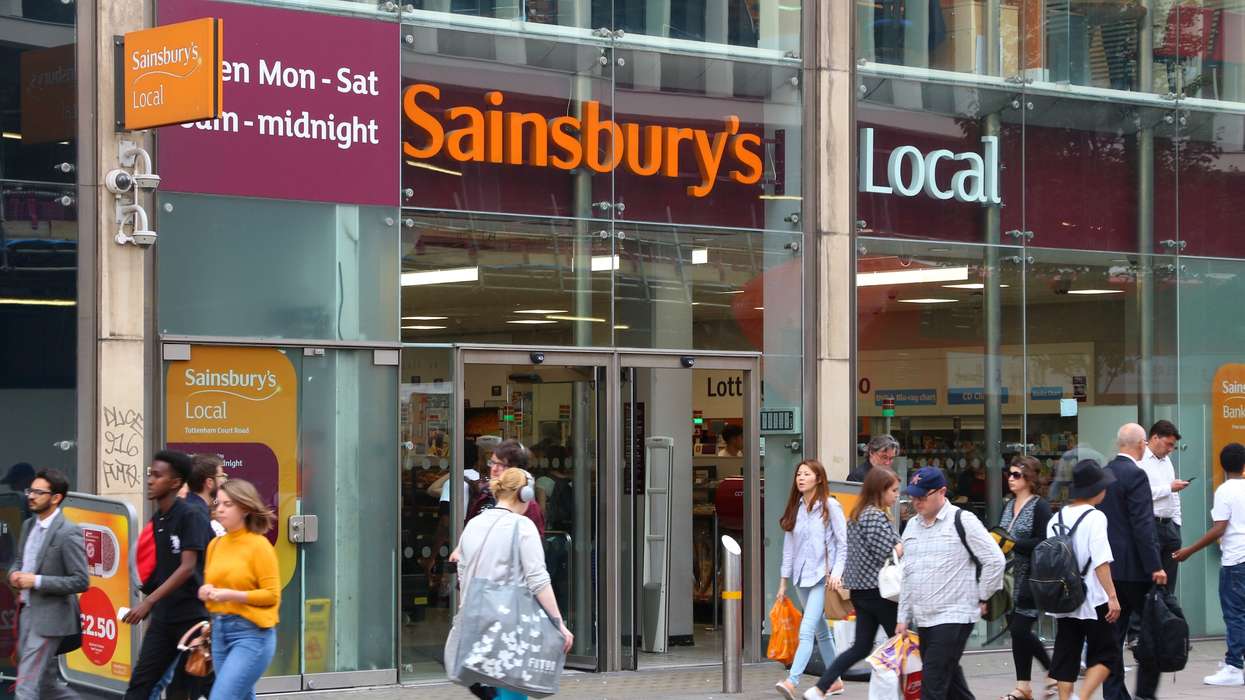
Undercover officers shot dead Amman, 20, at close range after he stole a knife and injured two members of the public in Streatham, south London, on February 2, 2020.
The knife attack came just months after another man, who was also freed part-way through a prison sentence for terror offences, killed two people in central London.
Both cases forced the British government to tighten early release rules for serious offenders, including for those found guilty of extremism.
Amman, born in Coventry, central England, and of Sri Lankan descent, was convicted in 2018 of 13 counts of collecting material useful for terrorism and disseminating terrorist publications, and given a 40-month prison sentence.
A police report compiled before he was freed in January 2020 called him "one of the most dangerous individuals we have investigated" because of his extremist views.
The court was told his behaviour in prison had been increasingly violent and he had wanted to join the Islamic State group, become a suicide bomber and kill the Queen.
Intelligence officers involved in the case said he remained an individual of "great concern" and wanted him to remain behind bars as he was still a danger to the public.
But even after he was spotted buying items for a fake suicide belt, which prompted an emergency meeting to discuss his actions, he was kept under 24-hour surveillance.
The jury said the probation service "missed an opportunity" to recall him to prison.
Firearms officers defended their use of deadly force after he went on the rampage with a butcher's knife, saying it prevented a greater tragedy.
The coroner, judge Nicholas Hilliard, said officers "put themselves in harm's way".
"They are to be commended for their bravery and they are owed a considerable debt of gratitude for their bravery," he added.
A separate inquest held into the police shooting of Usman Khan also condemned official failings that allowed him to knife two people to death near London Bridge in November 2019.
Khan, who was also found to be wearing a hoax suicide belt, was similarly under surveillance by counter-terror police and the domestic intelligence service, MI5.