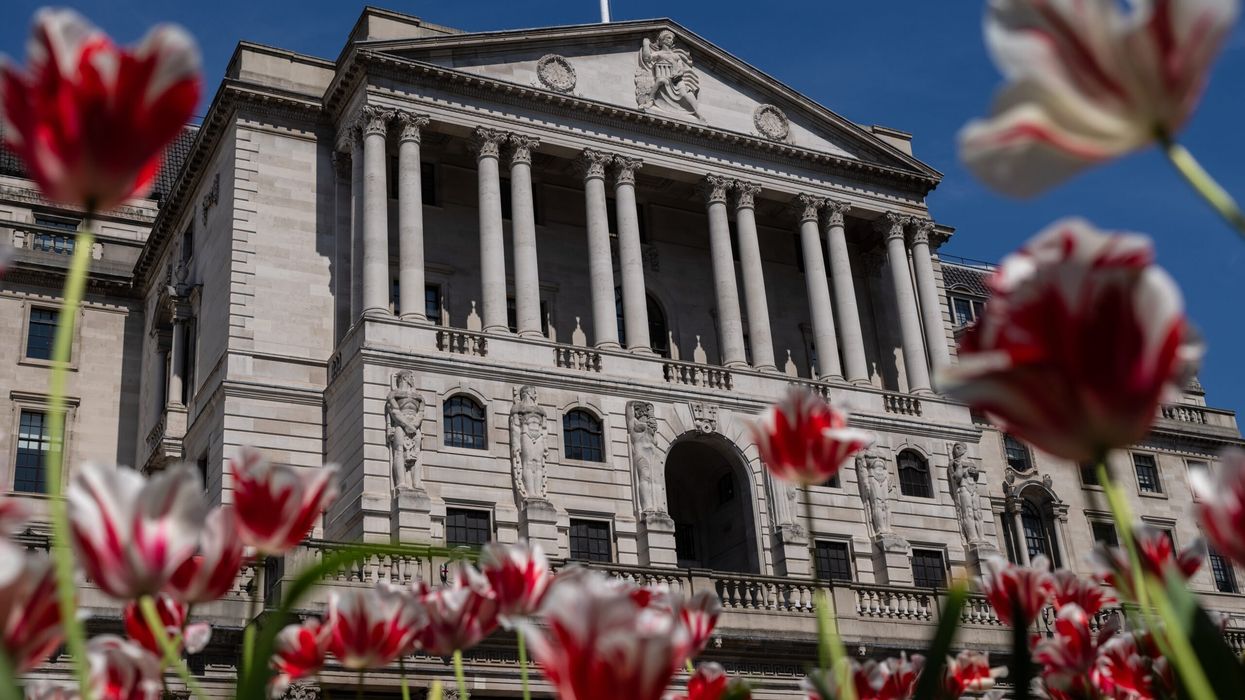

THE BANK of England announced on Thursday that it has reduced its main interest rate for the first time since the Covid-19 pandemic began in 2020, as inflation in Britain has decreased in recent months.
In a narrow 5-4 vote, Bank of England policymakers decided to lower borrowing costs by a quarter-point to 5.0 per cent during a regular meeting.
Governor Andrew Bailey, along with four other policymakers, lowered the rate from a 16-year high. This decision will alleviate some pressure on borrowers, but it may reduce interest earnings for savers.
Retail banks typically adjust their interest rates in line with Bank of England policy.
"Inflationary pressures have eased enough that we've been able to cut interest rates," Bailey said in a brief statement. "But we need to make sure inflation stays low, and be careful not to cut interest rates too quickly or by too much."
Britain's annual inflation rate has returned to the Bank of England's target of two per cent.
The US Federal Reserve maintained its key lending rate on Wednesday but noted that "some further progress" had been made in reducing inflation.
Other major central banks, including the European Central Bank, have begun to lower rates as increases in global goods and services prices have largely slowed.
In contrast, the Bank of Japan raised borrowing costs for only the second time in 17 years on Wednesday due to rising inflation in the country.
The Bank of England's rate cut comes less than one month after the country elected a new government.
The centre-left Labour administration has pledged to grow the economy but has already indicated that state spending will be restricted by tight finances.
New finance minister Rachel Reeves stated on Monday that Britain's state finances faced an additional £22 billion shortfall inherited from the previous Conservative government.
Reeves described the scale of the overspend as "not sustainable," asserting that not taking action was "simply not an option" for her newly elected government led by Prime Minister Keir Starmer.
The Conservatives indicated that this situation could lead to tax increases.
Bailey stated on Thursday that "ensuring low and stable inflation is the best thing we can do to support economic growth and the prosperity of the country."
The Bank of England increased borrowing costs 14 times from late 2021, when rates were at a record low of 0.1 per cent, to the second half of last year.
The last rate cut occurred in March 2020.
Global inflation surged due to supply-chain disruptions after Covid lockdowns and rising food and energy prices stemming from Russia's invasion of Ukraine.
UK annual inflation peaked at over 11 per cent in late 2022, the highest in four decades.
(With inputs from AFP)