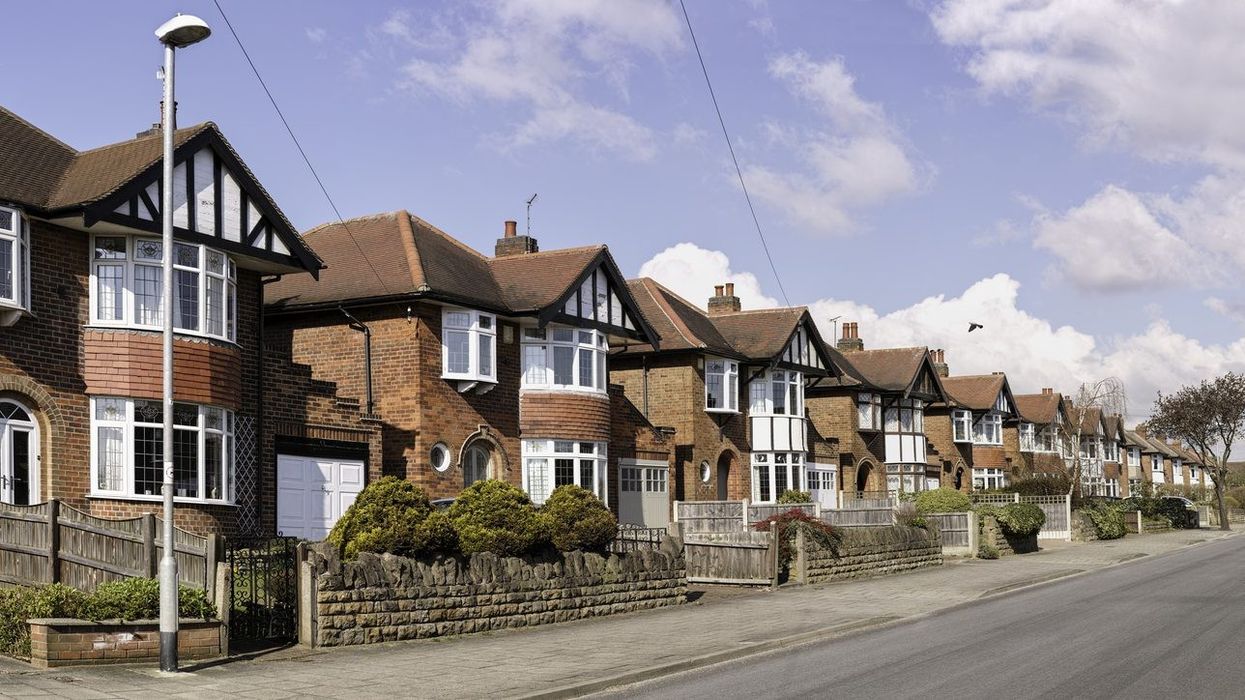
British house prices fell by the most since 2009 in the 12 months to May and the country's housing market faces further headwinds after a recent jump in borrowing costs, mortgage lender Nationwide said on Thursday (1).
Compared with May last year, the average house price was down 3.4 per cent after a 2.7 per cent annual fall in April, Nationwide said.
That was the biggest year-on-year drop since 2009, during the global financial crisis.
House prices edged down by 0.1 per cent in May from April after a monthly 0.4 per cent rise in April, Nationwide said.
The housing market showed signs of recovery in early 2023 after a jump in mortgage rates at the end of last year triggered by former Prime Minister Liz Truss's "mini-budget" plans for tax cuts which sent financial markets into turmoil.
However, stronger-than-expected inflation figures published last week caused a fresh rise in bond yields as investors priced in further Bank of England interest rate increases, prompting some lenders to rein in or reprice mortgage offers.
"Headwinds to the housing market look set to strengthen in the near term," Robert Gardner, Nationwide's chief economist, said, citing the risk that the jump in borrowing costs and mortgage rates could be sustained.
"Nevertheless, in our view a relatively soft landing remains the most likely outcome since labour market conditions remain solid and household balance sheets appear in relatively good shape," Gardner said.
Martin Beck, an economist with the EY Item Club, a forecasting group, said the four per cent fall in house prices from last August's peak was modest compared with the seven per cent rise in house prices over the past two years.
But 2.5 million owner-occupiers have yet to see their fixed-rate deals go up over the remainder of 2023 and the BoE is likely to carry on raising borrowing costs, meaning house prices would drift down further, Beck said.
Analysts at Capital Economics said prices would fall another eight per cent while Pantheon Macroeconomics said they would drop four per cent.
(Reuters)
UK house prices fall by most since 2009: Nationwide
The average house price was down 3.4 per cent in May after a 2.7 per cent annual fall in April