
Government borrowing in December 2024 reached £17.8 billion, the highest level for the month in four years, according to the Office for National Statistics (ONS).
This figure is £10.1bn more than in December 2023 and significantly exceeds the £14.6bn forecast by the Office for Budget Responsibility (OBR).
The increase in borrowing is attributed to higher spending on public services, benefits, and debt interest, while a reduction in National Insurance, introduced by the previous government, offset the rise in tax revenue.
Interest on government debt for December stood at £8.3bn, £3.8bn more than the same period last year, marking the third-highest December debt interest repayment since records began in 1997.
Alex Kerr, UK economist at Capital Economics, told the BBC that December's borrowing was further impacted by a one-off £1.7bn payment to repurchase military accommodation.
He said the figures highlight continued pressure on government finances amid weak economic growth and high interest rates.
The data also revealed that borrowing for the financial year so far is £4bn higher than official forecasts, although self-assessment tax returns submitted around this time could later adjust revenues.
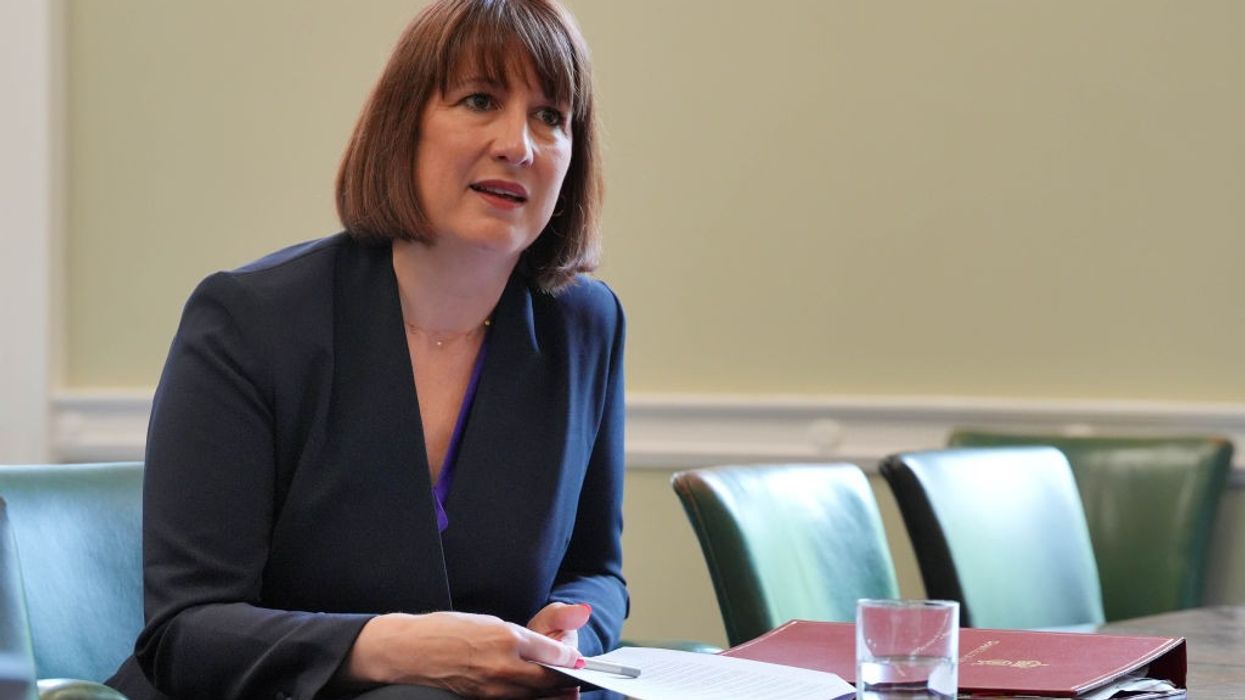
Chancellor Rachel Reeves, who has pledged fiscal discipline, faces increasing pressure to address the growing deficit.
Analysts, including Elliott Jordan-Doak from Pantheon Macroeconomics, anticipate potential spending cuts or tax increases to be outlined in the March budget.
Chief secretary to the Treasury Darren Jones stated that the government remains committed to ensuring efficient spending and economic stability to support growth.