
PRIME MINISTER Theresa May’s Brexit deal has suffered a staggering defeat for the second time in parliament on Tuesday evening (12), as uncertainties rise ahead of the UK leaving the European Union later this month.
Parliament voted against the deal by 391 votes to 242. According to reports, 75 Conservative MPs rebelled and voted against the prime minister’s deal.
The move risks unleashing economic chaos and uncertainty, as Britain is scheduled to end ties with the EU on March 29 – and no deal has been made thus far.
Addressing the Commons after the vote, Theresa May said she “profoundly regretted” the decision made by MPs.
“Voting against leaving without a deal, and for an extension, does not solve the problems we face,” she told the House. “The EU will want to know what use we want to make of that extension. The house will have to answer that question.”
She also suggested she would vote against a no-deal, acknowledging the "potential damage" leaving the EU without a deal would do.
As Eastern Eye went to press on Tuesday, MPs were due to vote on Wednesday (13), on whether the UK should leave without the EU without a deal, and Thursday (14), on whether to request an extension to article 50.
After MPs first rejected the 585-page Brexit deal in January, May promised changes to the backstop plan which is intended to keep open the border with Ireland.
Weeks of talks failed to make a breakthrough, but May made a last-minute trip to Strasbourg to meet EU leaders on the eve of the vote.
She announced she had secured the promised "legally binding changes" to the backstop, which would keep Britain in the EU's customs union if and until a new way was found to avoid frontier checks.
Reacting to the news of the defeat, opposition leader Jeremy Corbyn said the prime minister needed to accept that her deal did not have the support of parliament.
Calling for no-deal to be taken off the table, he added that it was now “the time for a general election”.
Subsequent to the vote, a spokesperson for the president of the European Council, Donald Tusk, said they were “disappointed” that the government had been unable to ensure a majority for the withdrawal agreement.
"On the EU side, we have done all that is possible to reach an agreement. Given the additional assurances provided by the EU in December, January and yesterday, it is difficult to see what more we can do,” they said. “If there is a solution to the current impasse it can only be found in London.”
They continued: "With only 17 days left (until) 29 March, today's vote has significantly increased the likelihood of a 'no-deal' Brexit. We will continue our no-deal preparations and ensure that we will be ready if such a scenario arises.”
They added if the UK reasoned request for an extension, the EU would consider it and decide by unanimity.
A spokeswoman for European Commission President Jean-Claude Juncker shared similar sentiments, confirming that an extension would be considered.
Reacting to the defeat, Jacob Rees-Mogg, chair of the Brexit-backing European Research Group and a prominent Anti-Brexiteer, raised concerns that extending the Article 50 leaving date would not solve the problem.
London mayor Sadiq Khan suggested the prime minister withdraw Article 50, while Labour MP David Lammy said the only “responsible option” would be to “rule out no-deal, delay Article 50 and seek ratification in a people’s vote which offers the option to remain.”
“Any other path will cause irrevocable damage,” he added.
Labour MP Virendra Sharma said if the country suffered a no-deal Brexit, the blame would “lie squarely at the feet of the prime minister”.
“Her arrogance at trying to secure her deal rather than the one this country needs will be the reason,” he said on social media.
Britons voted by 52-48 percent in 2016 to leave the EU, but the decision has not only divided the main parties but also exposed deep rifts in British society, bringing concerns about immigration and globalisation to the fore.
Some worry that Brexit will leave Britain economically weaker and with its security capabilities depleted.
Supporters say it allows Britain to control immigration and take advantage of global opportunities, striking new trade deals with the United States and others while still keeping close links to the EU, which, even without Britain, would be a single market of 440 million people.
(With agencies)





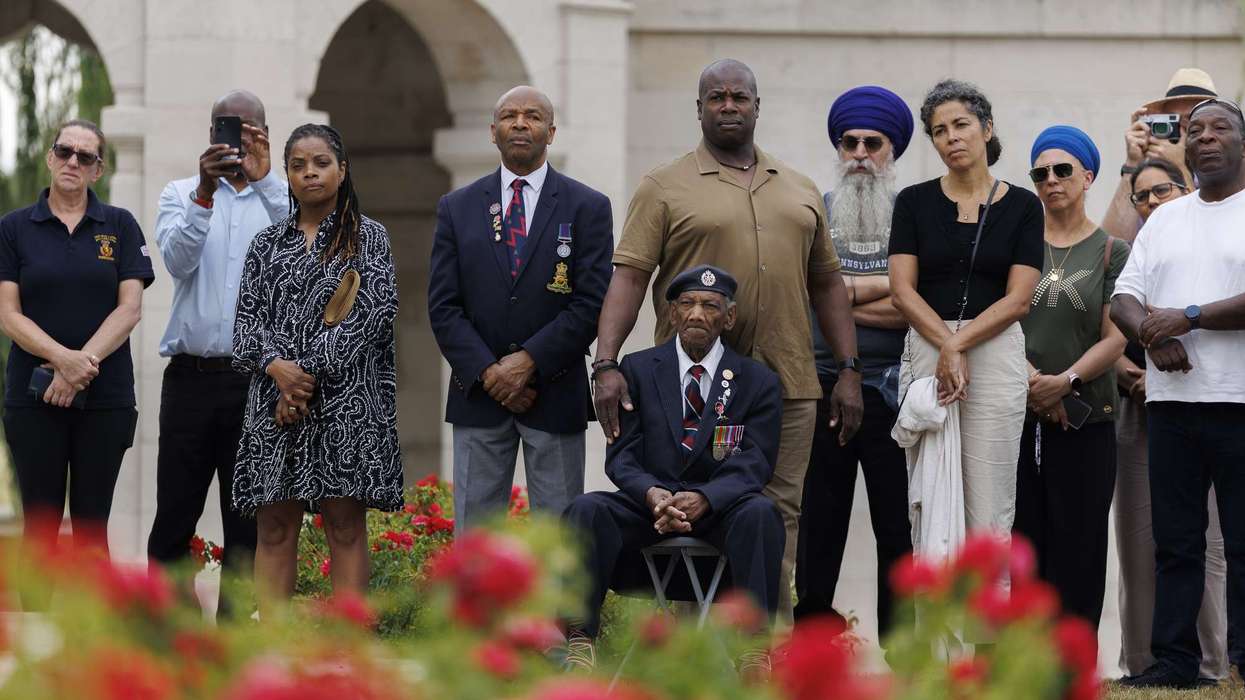
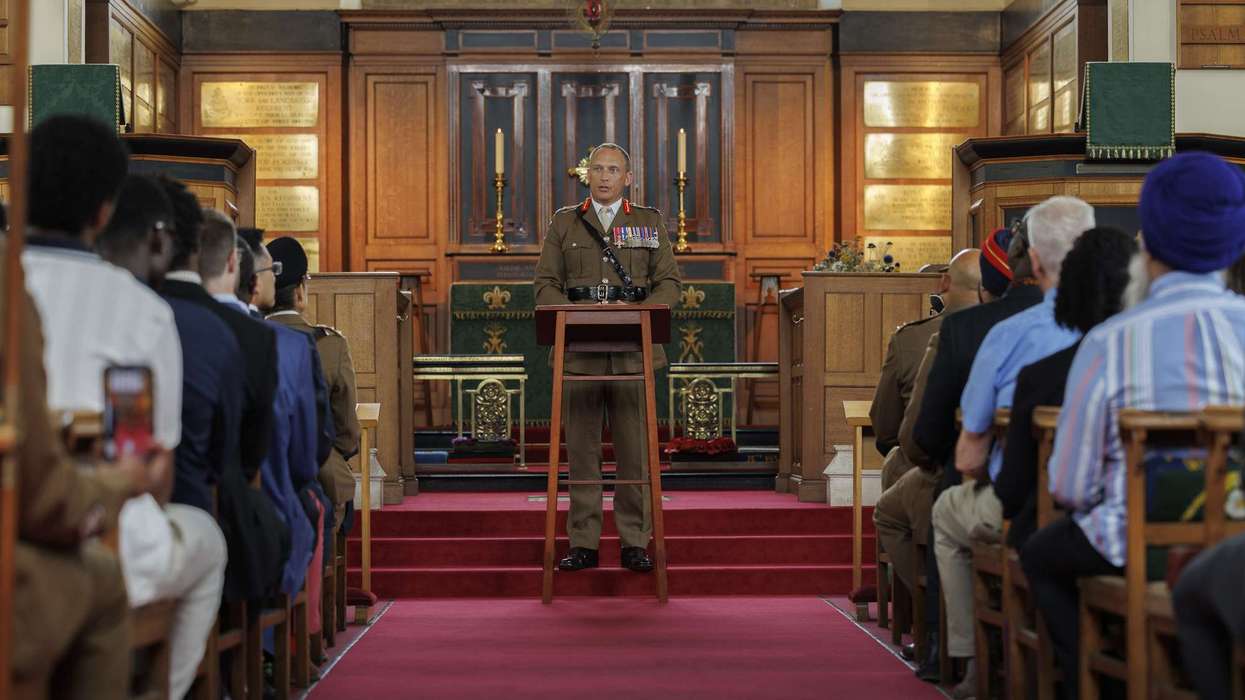 Op Reflect will continue into 2027 with further projects highlighting the role of Commonwealth communitiesEastern Eye
 Eastern Eye