
Highlights
- UK nationals now represent 22 per cent of all modern slavery referrals.
- AI and deepfakes help traffickers recruit and control victims.
- Economic pressure creates conditions for exploitation to flourish.
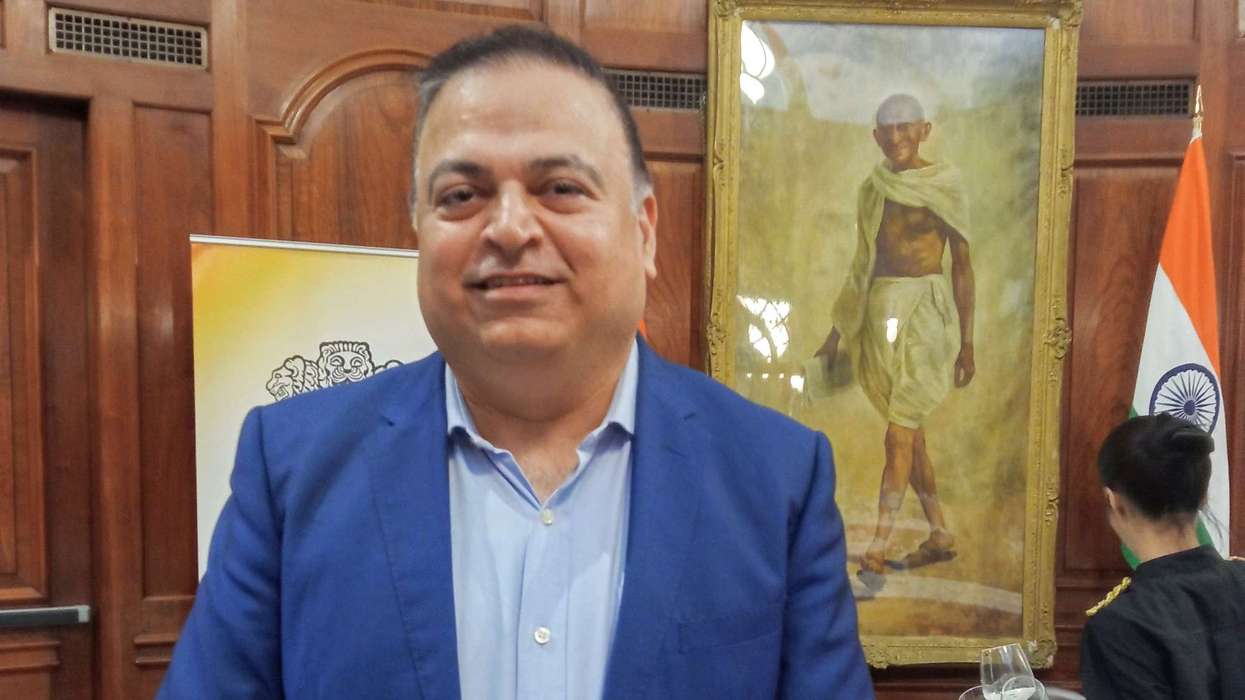
Independent Anti-Slavery Commissioner Eleanor Lyons said the problem is now bigger than it has ever been.
The issue covers many types of abuse including people trafficking, forced labour, criminal exploitation and sexual exploitation.
British people made up more than one in five cases, with 5,110 referrals, followed by people from Eritrea and Vietnam.
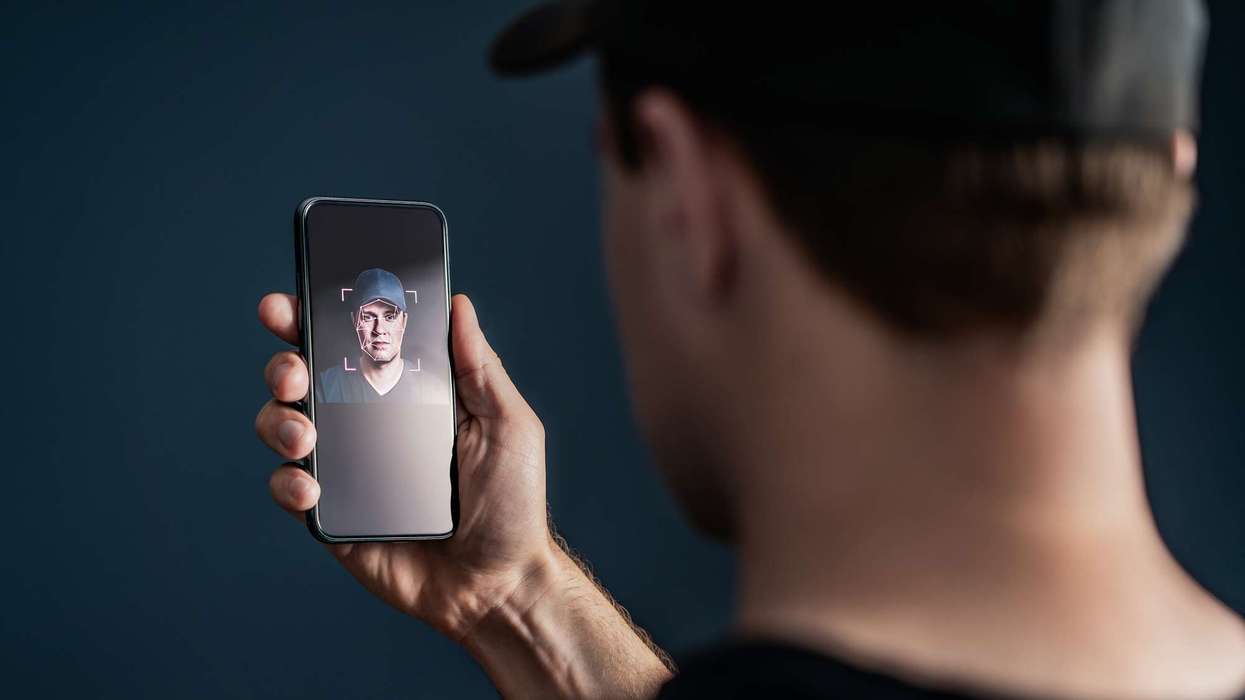
A new report ordered by the Anti-Slavery Commissioner shows how criminals are using artificial intelligence and digital tools to find victims on a massive scale.
Traffickers now use AI-powered scams, deepfakes and fake identities to identify and control people more easily than before.
The report highlighted worrying new methods targeting children, including "debt bonding" where victims get virtual gifts like phone credit or video game money to make them feel they owe something back.
Another tactic called "remote mothering" involves criminals pretending to be caring parent-like figures who trick victims into installing tracking apps on their phones.
Lyons explained that criminals now work with greater secrecy and reach through online platforms.
"Rising living costs, debt and insecure work are creating conditions in which exploitation can take hold within daily life across sectors that millions rely on every day," she told The Independent.
Economic pressures mount
The report points to difficult economic conditions as a major reason behind the rising risks.
People struggling with money problems become easier targets for criminals, especially when staying afloat means taking unsafe or informal work.
Looking to the future, the research predicts that reproductive exploitation such as forced surrogacy will become more common because of falling birth rates and uncontrolled fertility markets.
Organ harvesting is also expected to grow as a form of modern slavery due to rising global demand for transplants and cross-border medical markets.
The commissioner asked for urgent government action including setting up a Cabinet-level committee, increasing money for specialist police units, and launching a national awareness campaign.
She also demanded that businesses face fines and prosecution if exploitation is found in their operations.