ONE of Morrisons top shareholder, J O Hambro said that US private equity firm Clayton, Dubilier & Rice (CD&R) must raise the bid amount for takeover to succeed.
The UK-based asset management company said that any potential bidder for the supermarket group should raise its offer to £6.5 billion.
Last week, Morrisons declined a £5.5bn takeover proposal from the CD&R, saying the offer “significantly undervalues” the firm.
J O Hambro, which owns 3 per cent of Morrisons, said this was a “high-octane” approach that would “create a more volatile asset”.
J O Hambro backed the Morrisons decision to decline the £5.5 bn takeover offer and said that CD&R should pay a “fair price” to merge the supermarket’s petrol station arm with its Motor Fuels Group – a combined company that would create a forecourt giant with around 1200 sites across the UK.
“The fuel purchasing and food retailing synergies here are clear to see,” the shareholder said. “But CD&R should pay a fair price in order to access those synergies.”
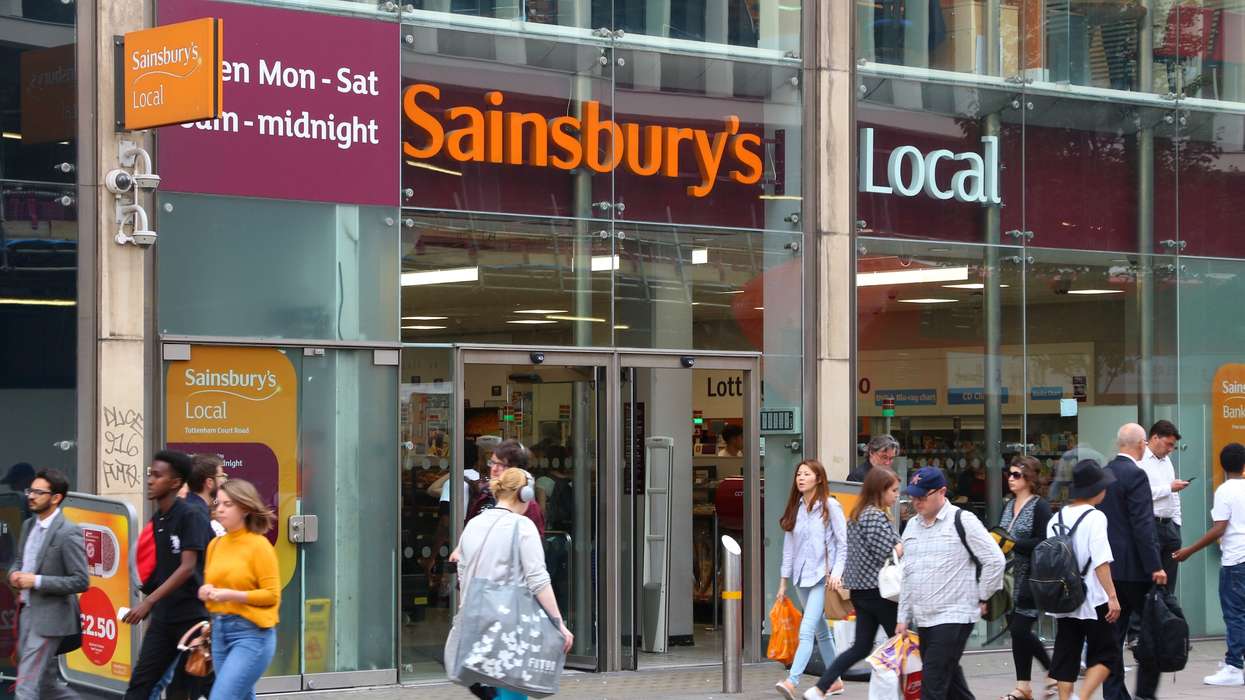
Morrisons is Britain’s fourth largest grocer by sales after Tesco, Sainsbury’s and Asda.
Meanwhile, British takeover rules give CD&R until July 17 to come back with a higher offer.
Amazon, and private equity firms Apollo, Lone Star and KKR, are all understood to be interested in a potential takeover of the supermarket.