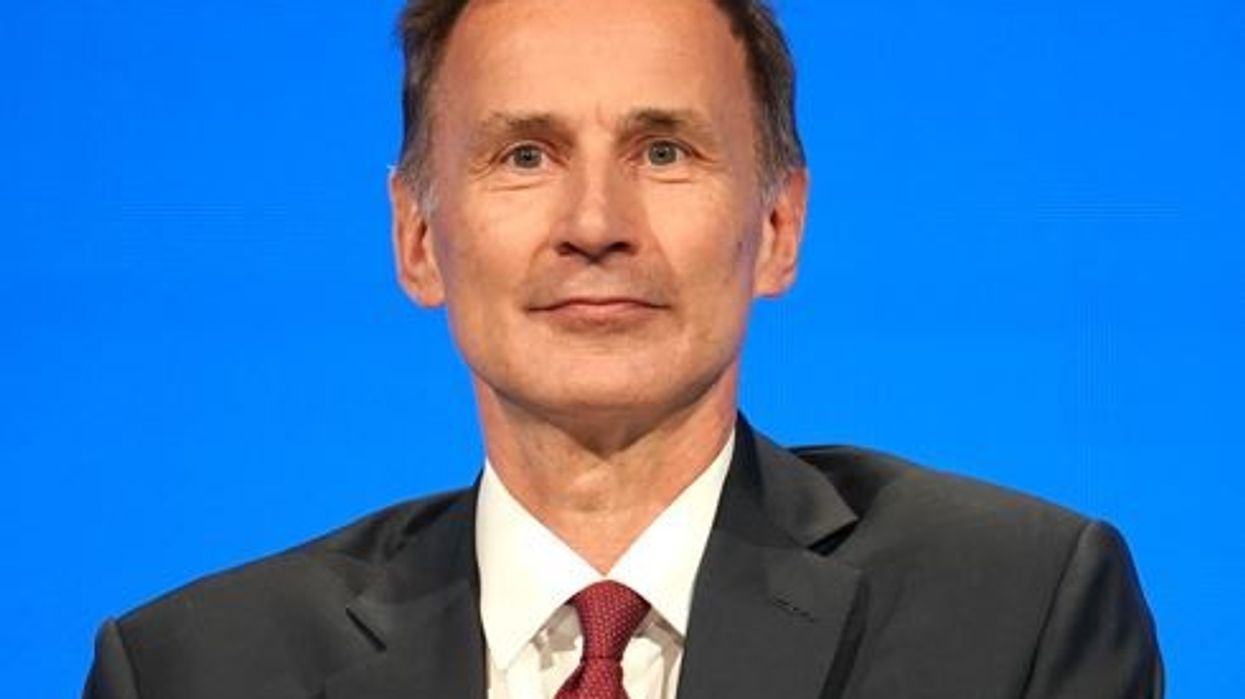

Finance minister Jeremy Hunt said on Thursday that the government would continue to monitor Thames Water "very carefully" after the company said its shareholders had refused to stump up new equity.
"The Treasury will continue to monitor very carefully what's happening at Thames Water. Our understanding is that the company is still solvent," Hunt told reporters.
Britain's biggest water utility has said that shareholders had refused to invest £500 million of equity promised, heightening concerns about its survival, after it failed to agree future bills and conditions with the regulator.
Thames Water said in a statement on Thursday that it was "business as usual" for the company, seeking to reassure its 16 million customers after a year of speculation that it could collapse under the weight of its more than £14 billion pounds of debt.
But a standoff between the regulator, which wants the business to invest and improve its environmental record, and shareholders which see those terms as "uninvestible", have put its future in doubt. The government said last year it was ready for any outcome, including temporary state ownership, if needed.
The group has become a poster child for the failures of privatisation, after its performance deteriorated in the 2010s when its previous investors took out huge dividends.
A worsening environmental record with repeated sewage spills over the last five years has meant additional political scrutiny, and its poor financial health forced the company last year to deny that it was at risk of nationalisation.
Regulator Ofwat and Thames Water have been locked in discussions over how much the company will be able to charge customers in the coming years, Thames Water said in its statement.
"Discussions with Ofwat and other stakeholders are ongoing," the company said.
"Thames Water intends to pursue all options to secure the required equity investment from new or existing shareholders."
The company's shareholders, who include Ontario Municipal Employees Retirement System, the UK's Universities Superannuation Scheme and a unit of the Abu Dhabi Investment Authority, had been due to provide the new equity by March 31.
Thames Water said it had £2.4 billion of cash and available committed facilities on February 29. (Reuters)