Skip to content
Search

Latest Stories

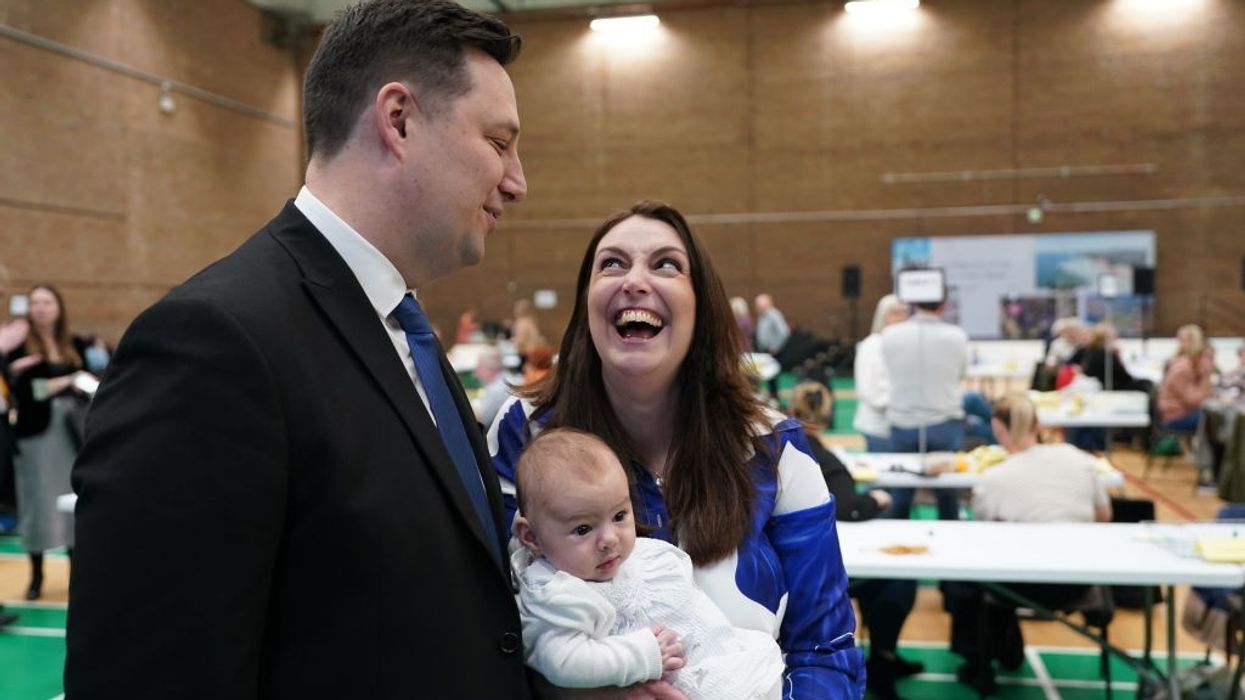
Tees Valley mayor Houchen bucks anti-Conservative trend

He got re-elected from Tees Valley, an area that includes the towns of Middlesbrough, Hartlepool and Darlington, with a reduced majority

Tees Valley mayor Houchen bucks anti-Conservative trend

One of the most high-profile mayors for prime minister Rishi Sunak's Conservatives, Ben Houchen, was re-elected on Friday, albeit with a much-reduced majority, in a rare win for the party on what was otherwise a tough set of election results.

Houchen won re-election in Tees Valley in northern England, an area that includes the towns of Middlesbrough, Hartlepool, and Darlington which was once a Labour heartland.


He polled more than 53 per cent of the vote, down from more than 70 per cent in 2021.

He won 81,930 votes against Labour rival Chris McEwan's 63,141 and 7,679 for the Liberal Democrats. The turnout was 30 per cent.

Houchen has been mayor since 2017. Media reports say this victory will help Sunak retain his position as Tory leader.

Sunak and other Conservatives had hailed his record on attracting investment and regenerating the area, though he has also faced scrutiny.

In January, an independent review found no evidence to support allegations of corruption on a flagship Teesworks project but criticised a lack of transparency in how it had been managed.


More For You

Black and mixed ethnicity children face systemic bias in UK youth justice system, says YJB chair

Keith Fraser

gov.uk

Black and mixed ethnicity children face systemic bias in UK youth justice system, says YJB chair

Highlights

  • Black children 37.2 percentage points more likely to be assessed as high risk of reoffending than White children.
  • Black Caribbean pupils face permanent school exclusion rates three times higher than White British pupils.
  • 62 per cent of children remanded in custody do not go on to receive custodial sentences, disproportionately affecting ethnic minority children.

Black and Mixed ethnicity children continue to be over-represented at almost every stage of the youth justice system due to systemic biases and structural inequality, according to Youth Justice Board chair Keith Fraser.

Fraser highlighted the practice of "adultification", where Black children are viewed as older, less innocent and less vulnerable than their peers as a key factor driving disproportionality throughout the system.

Keep ReadingShow less