
Highlights
- Survived blood clot in brain when daughter was six months old.
- First retreat limited to eight women in Marbella, Spain, October 2026.
- No 5am yoga sessions or rigid schedules, includes wine and yacht excursions.
That instinct for hospitality runs deep. But it took a life-threatening health crisis to show Pelaez what truly matters. When her daughter was just six months old, Pelaez suffered a blood clot in the brain.
"The experience forced everything to stop," she says. The scare became a turning point, reshaping how she thought about time, priorities and what women really need during life's transitional seasons.
Finding the gap
After years of organising travel for friends and family, Pelaez began noticing something missing from the wellness retreat landscape.
"I was tired of wellness retreats that felt more like work," she explains. "There's the 5am yoga or you have to be there at this time. There's none of that here."
The typical wellness retreat felt either over-scheduled or overly restrictive, places she herself wouldn't want to visit. "I wanted something exclusive but easy, where the schedule doesn't run your life like it does when you are at home.
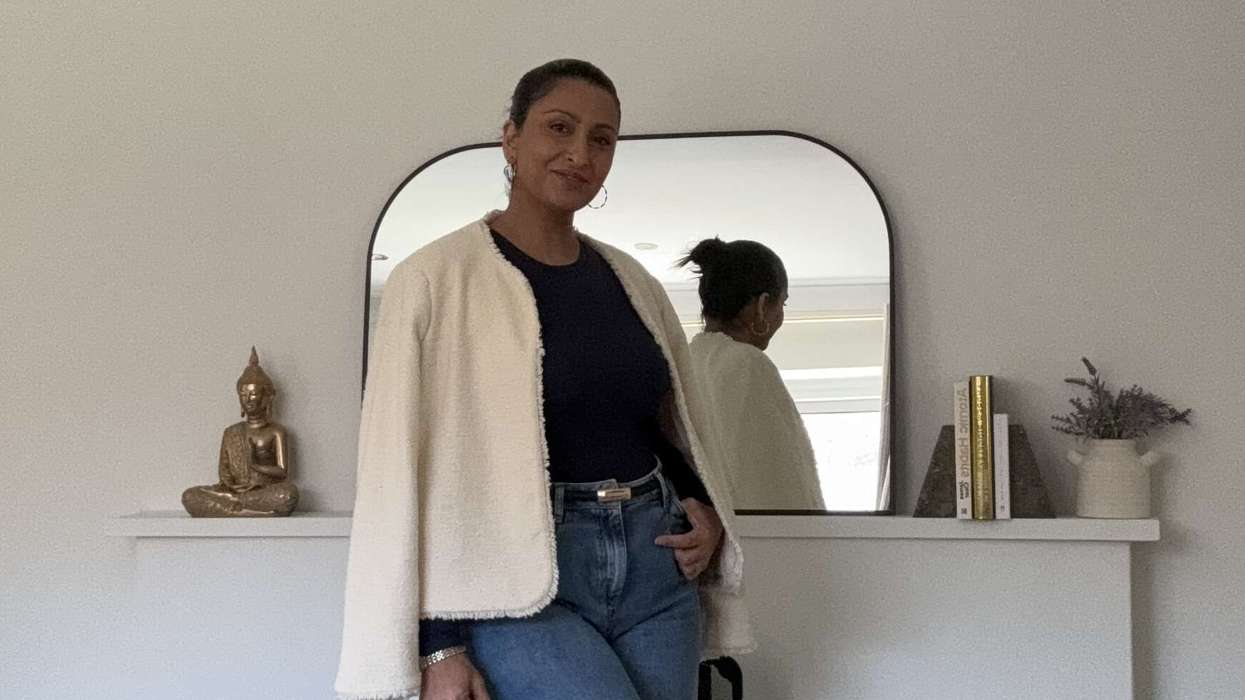
 The five-day experience includes spa treatments, yacht excursions, fine dining and spacious, unscheduled morningsSuminder Pelaez
Sum Retreats is about giving women their time back in the most stunning settings possible, with zero pressure and total care."
Her vision is about relaxing freely, without strict schedules. "There's slow mornings. Take your time with whatever you're doing. The purpose is just purely relaxation and a reset and reconnecting with other women who are going through the same thing as you."
And yes, there's wine. "At the end of the day, I wanted to sit with a glass of wine," she says with a laugh.
"There needs to be a retreat where you have the wellness aspect, the spas, the yoga, but it's when you want it. And also to be able to sit in the evening with a glass of wine."
Her first retreat takes place 1-5 October 2026 at the iconic Hotel El Fuerte in Marbella, Spain.
Limited to just eight women, the five-day experience includes spa treatments, yacht excursions, fine dining and spacious, unscheduled mornings.
The decision to keep groups small is deliberate. "I want women to connect," Pelaez explains. "If there's too many, nobody gets heard and then that story is missed. I want women to be heard so their story is heard.
Those women will then become friends and build a connection that hopefully will last for the rest of their lives."
Permission to pause
She understands the cultural barriers women face when they choose themselves first. “Many women are judged. A husband might ask, who will make my dinner? The kids might say, I need this or that. You have to give yourself permission because no one else will.”
She understands this cultural pressure well. 'We live in a people-pleasing society, always worrying about what others will think or say.
That is not bad, it just shows we are kind. But I think women, especially those who hold the family together, should take some time for themselves to get unstuck".
For Pelaez, who married outside her religion and culture 28 years ago in an era when "it just wasn't done," the theme of choosing your own path runs deep.
“Sometimes you have to take a chance when you feel someone is right. My parents trusted me in the end because they knew I was sure.”
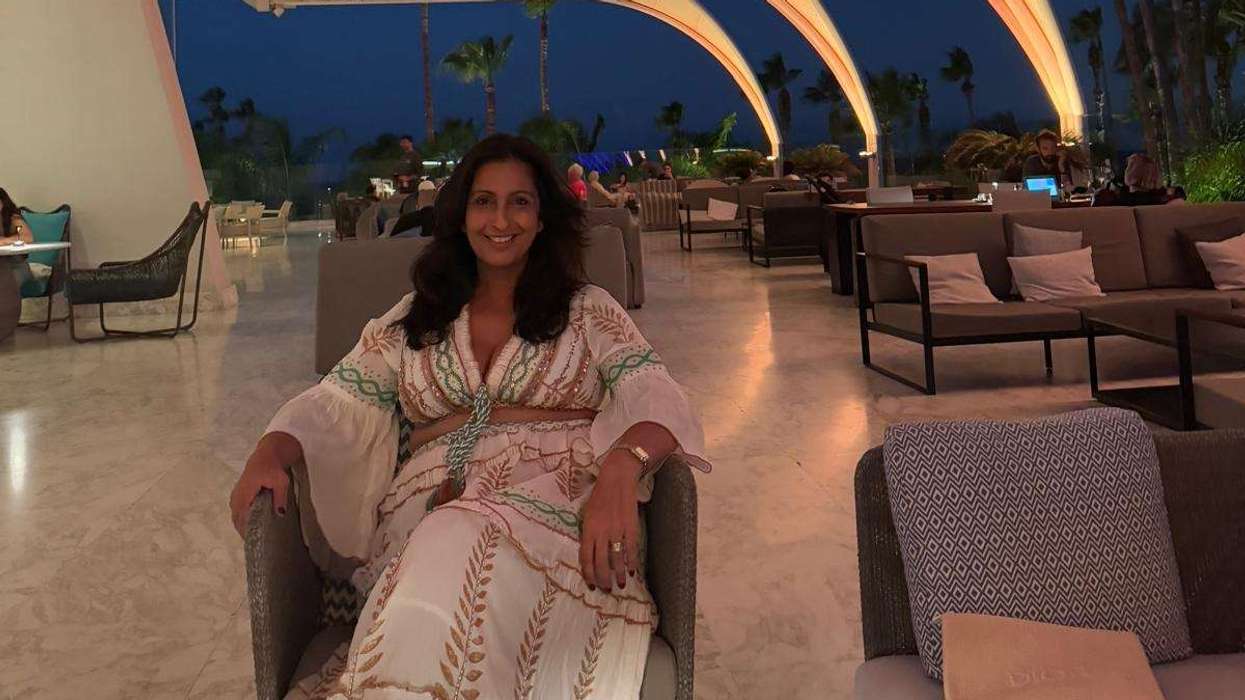 Sum Retreats offers women a rare gift: space to pause, breathe, relax, and put themselves firstSuminder Pelaez
Launching a business in her 50s feels less like an ending and more like a beginning. “Many people see it as getting older or nearing the end of life. I don’t. I see it as my moment to do something for myself and prove I can.”
Her message to women hesitating to pursue something new is straightforward: “If you want to do something, go for it. I was scared and I still am. Self doubt is always there, even if others believe in you. But trying makes it worth it because it is your path.”
For the woman sitting at home telling herself she'll do something for herself eventually, Pelaez offers simple advice: "Take even just 10 minutes a day for yourself .That's it."
Sum Retreats is more than a luxury getaway. It gives women something they rarely allow themselves: space to pause, breathe, relax, and put themselves first for a change.
Drawing on the open-door hospitality she learned from her parents and the lessons from her own life, Pelaez creates spaces where women feel heard and new chapters can begin.
She describes this phase as spring, not autumn. "This is just the beginning, like a new springtime. I’m not finished yet; I’m only getting started.'"


 From Jharkhand to global literary spaces, Dubey explores migration, culture, and the emotional worlds of emerging IndiaPankaj Dubey
 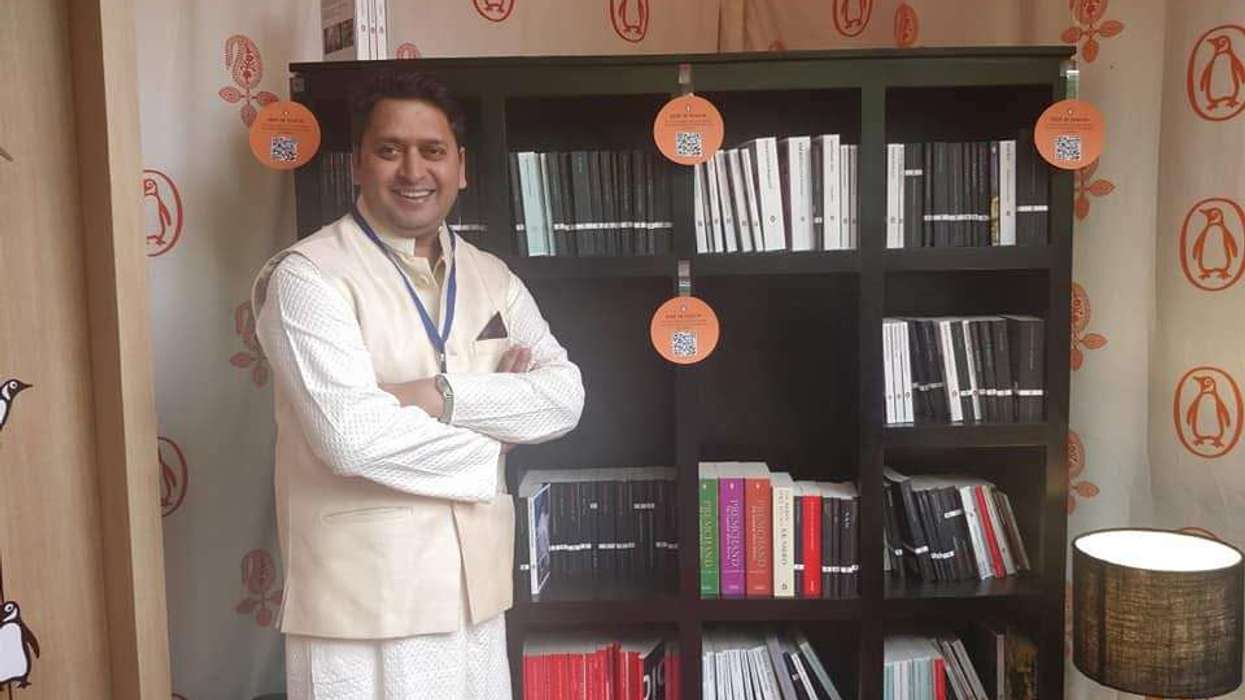 Through bilingual storytelling, Dubey connects vernacular voices with global audiences, redefining modern Indian literature’s evolving landscapePankaj Dubey