
- Starmer says UK families are paying the price for global political decisions.
- Energy price swings linked to Middle East conflict and oil volatility.
- Tensions rise between UK and US amid wider geopolitical disagreements.
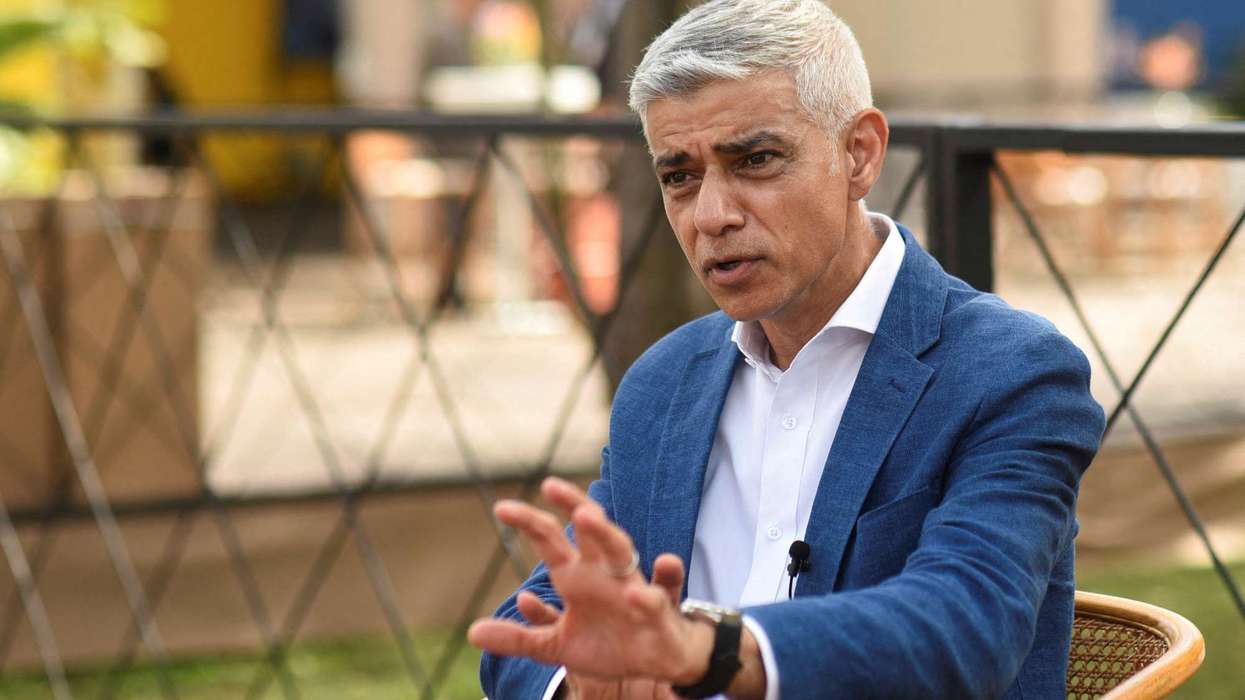
The sharp swings in UK energy bills are now becoming a political flashpoint, with Prime Minister Keir Starmer openly blaming global leaders for the pressure on households. Speaking amid ongoing volatility in oil markets, Starmer said he was “fed up” with how international conflicts are feeding directly into rising costs for British families and businesses.
Oil prices have been fluctuating following the US-Israeli war with Iran and a fragile ceasefire, and that instability is filtering through to energy costs across the UK. Against this backdrop, Starmer pointed the finger at Donald Trump and Vladimir Putin, suggesting their actions are driving uncertainty that ordinary people end up paying for.
“I’m fed up with the fact that families across the country see their bills go up and down on energy… because of the actions of Putin or Trump across the world,” he said, as quoted in a news report.
When global conflict hits home
The remarks come as the wider geopolitical situation remains unsettled. Russia’s invasion of Ukraine in February 2022 had already disrupted global energy markets, and the more recent conflict involving Iran has added another layer of volatility.
A two-week ceasefire has done little to calm markets completely. Oil prices continue to move unpredictably, and there are concerns that any escalation could quickly push costs higher again. That uncertainty is now being felt in UK households, where energy bills have become closely tied to global supply shocks.
At the same time, the White House has pushed back on criticism. A spokesperson for Trump said his actions were aimed at preventing Iran from developing nuclear weapons and securing long-term peace, reportedly stating that progress towards an agreement was underway.
Strains with allies and a tougher tone
Starmer’s comments also reflect a more strained relationship between the UK and its allies. He has faced criticism from Trump for not committing British forces to the Iran conflict, with tensions spilling into public exchanges.
The prime minister also took aim at Israel’s actions during the ceasefire, calling strikes on Lebanon “wrong”, as quoted in a news report. Iran has accused the US of breaching ceasefire terms, partly pointing to these developments.
Behind the scenes, efforts are ongoing to stabilise the situation. Starmer and Trump held talks on April 10 about reopening shipping routes through the Strait of Hormuz, a key global oil corridor. According to a Downing Street statement, both sides agreed on the need for a “practical plan” to restore movement as quickly as possible.
In a separate piece, Starmer suggested the UK should not remain overly exposed to global shocks, arguing that the Iran war should mark a turning point in how the country responds to international crises.
For now, though, the reality appears unchanged. Energy prices remain tied to events far beyond the UK’s control, and any lasting stability may depend on how those global tensions evolve in the coming months.