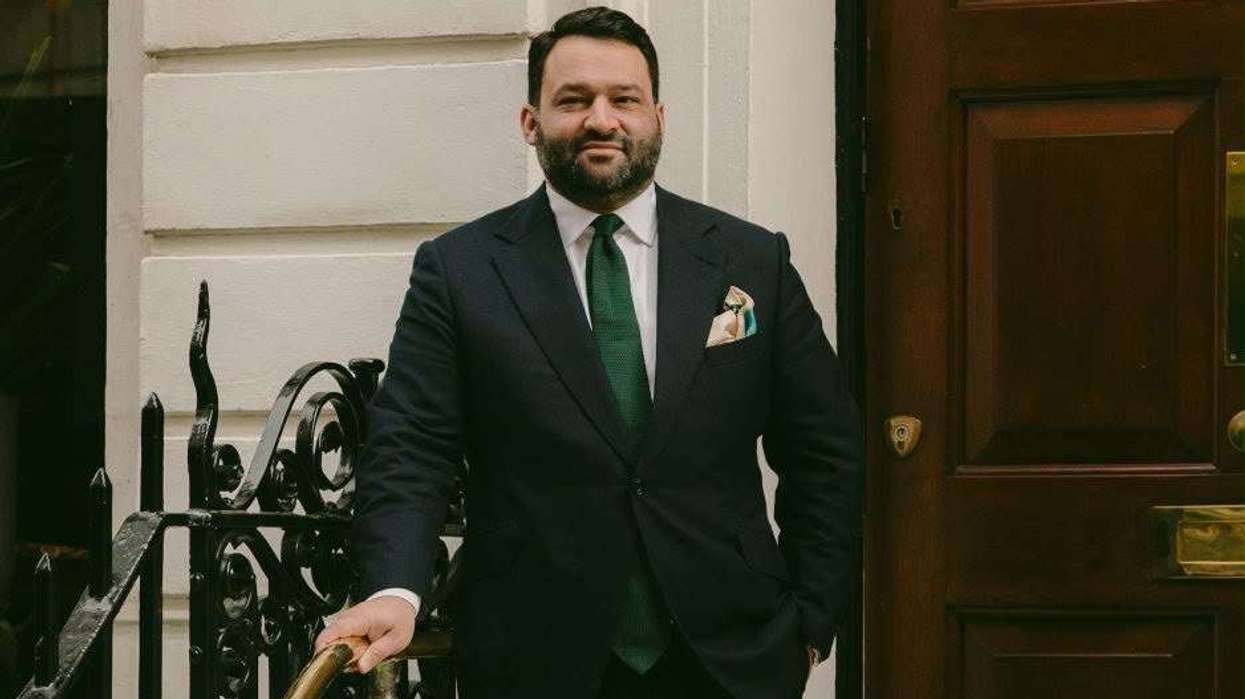
When Kushil Gunasekera returned to Seenigama in Sri Lanka's Galle district days after it was wiped out by a massive tsunami on Dec. 26, 2004, he got to work.
Houses had collapsed, bodies floated in the sea water that had invaded inland, and one in four residents of the community of about 1,200 people had been killed by the deadliest tsunami to sweep across the Indian Ocean in decades.
The wall of water triggered by a 9.1-magnitude earthquake off the coast of Indonesia’s Sumatra island had killed more than 230,000 people across the region. Indonesia bore the brunt, but Sri Lanka was the next worst-affected country with about 40,000 dead.
Fifteen years on, Seenigama has risen from the ruins, in large part because of Gunasekera's efforts to re-build his ancestral village about 110 km (68 miles) from Colombo.
Once a successful businessman in Sri Lanka's lucrative sugar trade, the 63-year-old has rebuilt homes, taught vocational skills to young people and pushed them to take up sports - in short, he has helped breathe life back into the village.
"Everything was ruined to rubble within the matter of a few minutes. But the good thing is we were able to turn the setback into a blessing," Gunasekera said.
With the help of cricket stars like Muttiah Muralitharan and Kumar Sangakkara, Gunasekera has raised funds for a charity which now has an annual budget of over $1 million and a beneficiary list of more than 28,000 people.
The Foundation of Goodness charity has recruited dozens of specialists to run a kindergarten, provide vocational training and IT skills.
It also runs a training centre at the beach for people who want a professional diving licence, a much sought-after qualification in Sri Lanka's tourism industry.
Seenigama is an outlier compared to the other tsunami-hit villages on Sri Lanka's coast, where locals are still largely dependent on government aid and without sustainable livelihoods.
HAUNTING MEMORIES
Namal Ishari remembers the moment that December morning when she and several hundred other Seenigama residents scrambled up a road and slope at the village temple to escape the tsunami.
With her family's property destroyed and belongings washed away, she said she had little hope her life would ever recover. The sight of the body of her best friend's mother haunted her.
Ishari, 27, is now a team leader at a back-office processing unit for Sri Lankan conglomerate John Keells Holdings. The unit was set up by Gunasekera's charity, and staff earn more than double what locals typically make in neighbouring villages.
"It (tsunami) was an unbearably painful moment. For many people it was a moment when they lost many things, but for others it was a moment that helped to achieve many things in their lives," Ishari said at her modern, well-equipped office.
After the success of Seenigama, Gunasekera is now replicating the model across nine other locations in Sri Lanka, including areas in the north and east that were ravaged by a decades-long civil war.
"Five years down the line, I want to see this expanding to 20 (locations) and the foundation becoming self-sustainable," Gunasekera said.