Skip to content
Search

Latest Stories

Sri Lanka scraps plans to export endangered monkeys to China

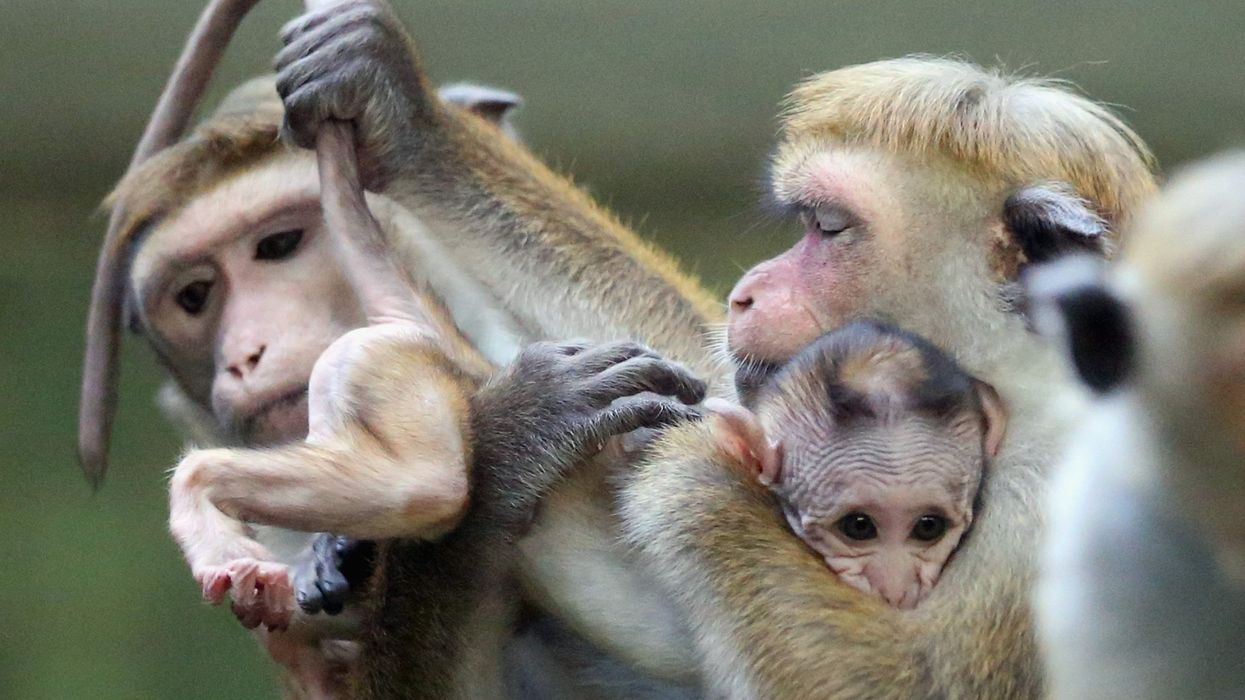
The toque macaque is endemic to Sri Lanka and common on the island of 22 million people

Sri Lanka scraps plans to export endangered monkeys to China

BANKRUPT Sri Lanka’s government on Monday (26) said it was scrapping plans to export around 100,000 endangered monkeys to China following an outcry and a court case by animal lovers.

The toque macaque is endemic to Sri Lanka and common on the island of 22 million people but is classed as endangered on the International Union for Conservation of Nature (IUCN) red list.


Agriculture minister Mahinda Amaraweera said in June that China wanted the monkeys for 1,000 zoos across the country, describing the move as a solution to the animals destroying crops.

But on Monday, Sri Lanka’s Department of Wildlife Conservation (DWC) told the Court of Appeal it had decided not to go ahead with the export and that the action filed by 30 wildlife and environmental activists could be terminated.

“A state attorney informed court on behalf of the DWC that no monkeys will be exported to China or elsewhere,” a court official said. Wildlife enthusiasts welcomed the government’s decision not to go ahead with the exports.


More For You

Badenoch legally settled migrants

Conservative party leader Kemi Badenoch delivers her speech on the final day of the Conservative Party conference at Manchester Central Convention Complex on October 08, 2025 in Manchester, England. (Photo by Christopher Furlong/Getty Images)

Getty Images

Badenoch rules out deporting legally settled migrants

TORY leader Kemi Badenoch has clarified that her party has no intention of deporting people who are legally settled in the UK, following a wave of confusion sparked by comments from fellow MP Katie Lam.

Speaking to reporters in London after a policy speech, Badenoch said Lam had spoken “imprecisely” when she suggested that many legally settled families could be sent home under a future Tory government, reported the Guardian.

Keep ReadingShow less