
Skip to content
Search

Latest Stories

Sri Lanka announces fresh restrictions to contain Covid-19

Sri Lanka announces fresh restrictions to contain Covid-19

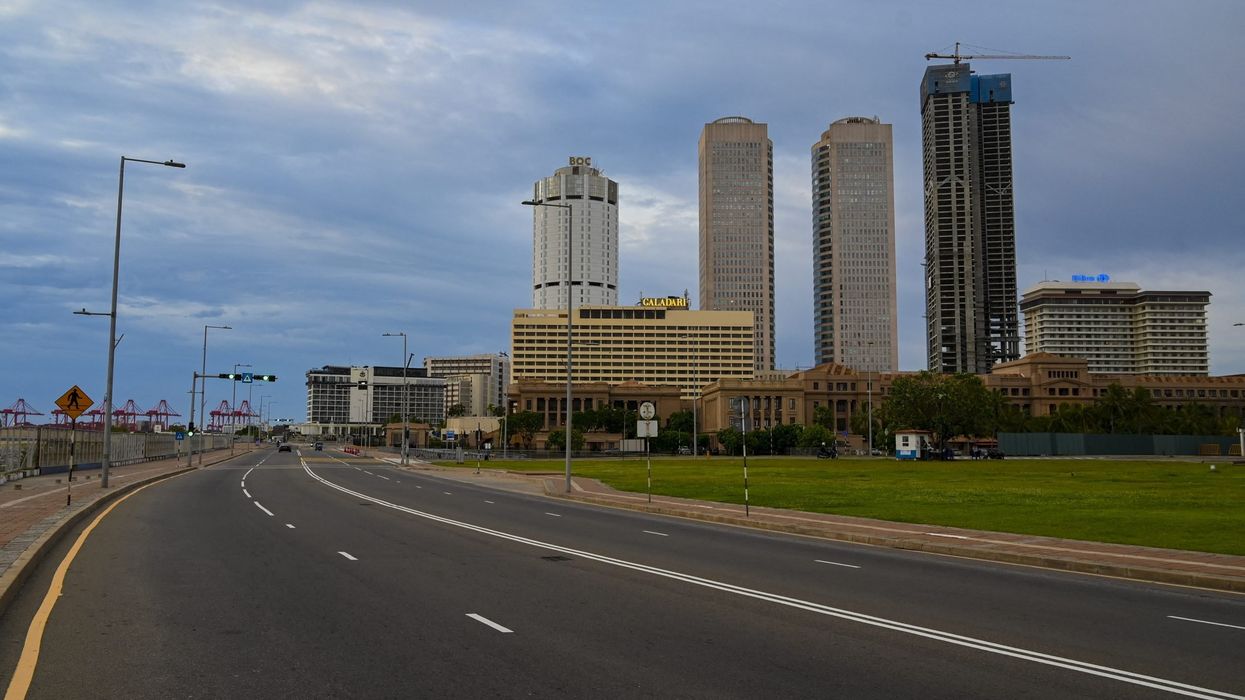
SRI Lankan authorities said curfew-like travel restrictions will be clamped across the island from Friday (21) night till May 28 morning with a day’s break in between to contain the Covid-19 pandemic.

Army commander general Shavendra Silva said the restrictions will come into force from 11 pm on Friday (21) till 4 am on May 28 with a 19-hour break on May 25.


General Silva, who heads the National Operations Center for the Prevention of Covid-19, said the restrictions, which will be “similar to curfew,” will be lifted between 4 am and 11 pm on May 25 to enable people to stock up “only essentials”.

He said it is necessary for people to adhere to health guidelines issued by the government to prevent the pandemic from going out of control in the wake of the detection of virulent variants of the coronavirus.

People will be prohibited from leaving their homes during the restrictions and only those involved in essential services will be allowed to work. The announcement of the fresh spell of restrictions follows the previous curbs lifted on Monday (17).

While vaccination of people was taken up, health experts said that the island nation could reel under an acute short supply of oxygen if the highly infectious disease is not contained.


More For You

Climate change could increase child stunting in south Asia by 2050, a study finds

Researchers at the University of California Santa Barbara examined how exposure to extremely climate conditions during pregnancy impacts children's health

iStock - Representative image

Climate change could increase child stunting in south Asia by 2050, a study finds

Highlights

  • Over 3 million additional cases of stunting projected in south Asian children by 2050 due to climate change.
  • Hot-humid conditions four times more harmful than heat alone during pregnancy's third trimester.
  • Early and late pregnancy stages identified as most vulnerable periods for foetal development.

Climate change-driven heat and humidity could lead to more than three million additional cases of stunting among south Asia's children by 2050, according to a new study that highlights the severe health risks facing the world's most densely populated region.

Researchers at the University of California Santa Barbara examined how exposure to extremely hot and humid conditions during pregnancy impacts children's health, focusing on height-for-age measurements, a key indicator of chronic health status in children under five.

Keep ReadingShow less