
- Energy shock linked to Iran conflict may shrink UK economy by £35bn
- Recession risk grows if oil prices spike further
- Interest rates expected to rise as inflation pressures build
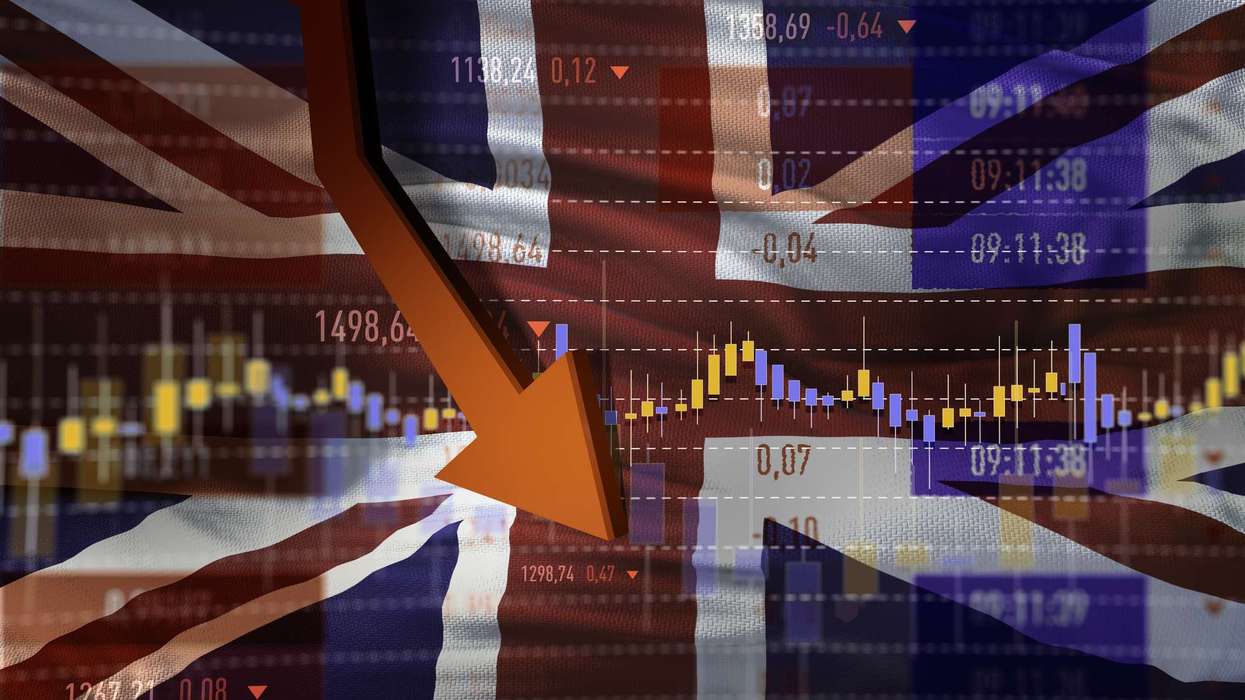
The UK economy is staring at a potential £35bn setback, with recession fears building as the Iran conflict drives up energy prices and inflation. Fresh warnings from the National Institute of Economic and Social Research suggest the fallout could slow growth sharply and leave households and businesses under renewed financial strain. The energy crisis linked to the Iran conflict has become a central concern, with inflation pressures and rising borrowing costs threatening to reshape the UK’s economic outlook.
Brent crude has already climbed to around £89 ($111) a barrel, and in a more severe scenario, it could reach £112 ($140). That kind of increase could push inflation above 5 per cent, significantly higher than earlier expectations, and force stronger intervention from the Bank of England. The knock-on effect could be a slowdown in economic activity, with some forecasts suggesting the risk of a recession in the latter half of the year if pressures continue to build.
Energy shock puts growth under strain
Even under a relatively stable scenario, the outlook appears weaker than previously expected. The think tank has downgraded its growth forecasts, now projecting the UK economy to expand by 0.9 per cent in 2026 and 1 per cent in 2027. Both figures mark a noticeable slowdown compared to earlier estimates and reflect the broader uncertainty created by the conflict.
David Aikman, director at Niesr, described the situation as a “serious blow” to the government’s efforts to revive economic growth, as quoted in a news report. He pointed out that the UK remains highly exposed to global energy shocks, and even if tensions ease, higher energy prices are likely to leave households with less disposable income and businesses facing higher operating costs.
The pressure is already being felt across the economy. Rising energy bills are expected to squeeze household budgets, potentially altering spending habits, including discretionary expenses such as travel and retail. At the same time, businesses dealing with higher input costs may scale back expansion plans or hiring, adding to concerns about slower economic momentum.
Rising rates and shrinking fiscal room
Inflation remains a key concern shaping the next phase of the economy. Niesr expects inflation to peak at around 4.1 per cent before gradually easing, although it may not return to the 2 per cent target until 2028. This prolonged period of elevated inflation could keep pressure on policymakers to act.
The Bank of England is expected to respond by raising interest rates, with projections suggesting a move to 4 per cent by July. In a more severe inflation scenario, rates could climb further, potentially reaching 5.25 per cent. There is also a possibility of sharper increases if inflation accelerates unexpectedly, with some warnings pointing to the risk of the largest single rate hike since 1992 under extreme conditions.
Higher borrowing costs would add another layer of strain for households and businesses already dealing with rising prices. Mortgage repayments, loan costs and credit expenses are all likely to increase, reducing disposable income and slowing consumption.
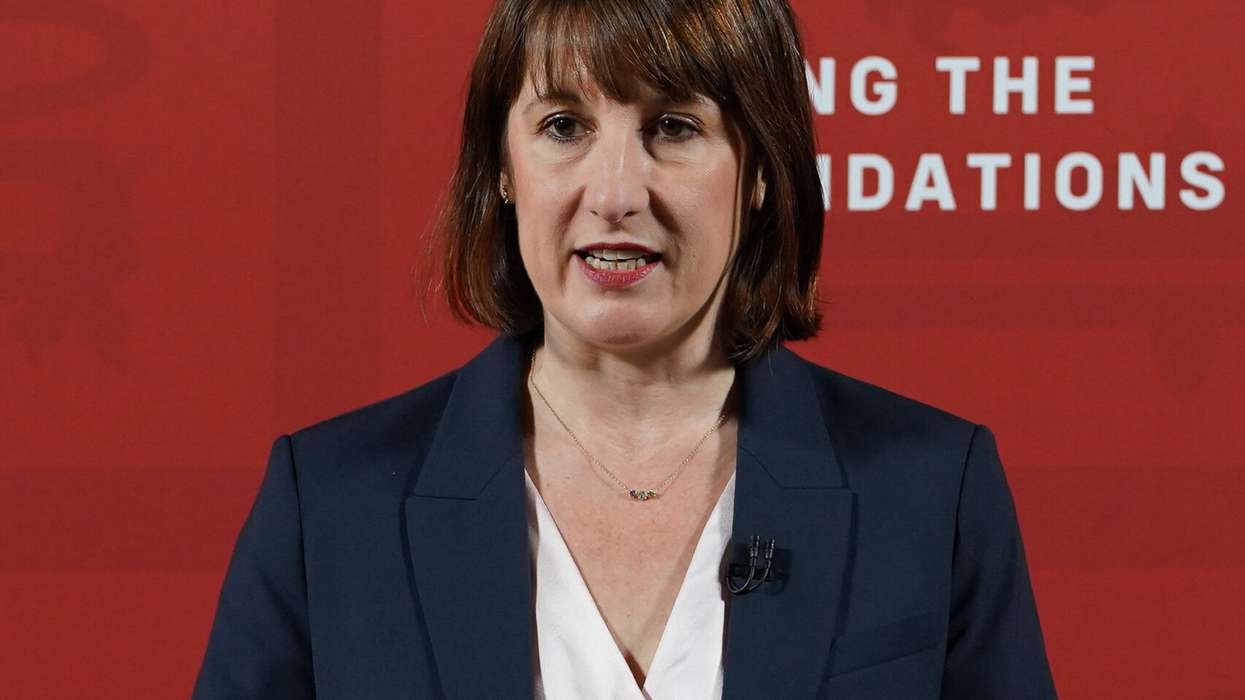
For the government, the situation presents a difficult balancing act. The economic impact of the conflict could add nearly £24bn to public borrowing by the end of the decade, effectively erasing the fiscal headroom set aside under existing rules. Chancellor Rachel Reeves has indicated that support measures are being considered, saying “nothing is off the table”, reportedly said in response to the growing pressure from higher energy costs.
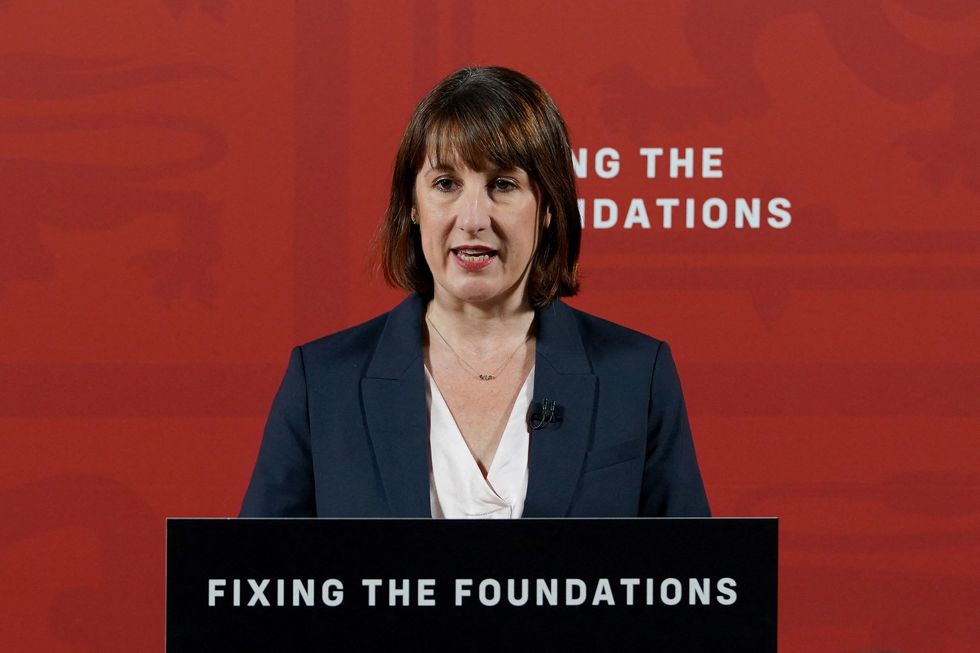 Chancellor Rachel Reeves has indicated that support measures are being considered POOL/AFP via Getty Images
However, any intervention would need to be carefully managed, as rising borrowing and inflation limit the scope for large-scale spending. The government is also facing political pressure in the run-up to local elections, adding urgency to its response.
The overall outlook remains uncertain. If energy prices stabilise, the economic impact may be contained, though growth is still expected to remain modest. If the conflict escalates and oil prices rise further, the risks to the UK economy could deepen, potentially tipping it into recession. For now, the warning underscores how quickly global events can ripple through domestic economies, especially one as exposed to energy markets as the UK.