Skip to content
Search

Latest Stories

Submit Guest Post

Rafale sales help France hit record arms exports

France is the world's third biggest arms exporting nation, after the United States and Russia

Rafale sales help France hit record arms exports

FRANCE said last Wednesday (26) that its arms exports hit a record last year, helped by Rafale aircraft (above) sales.

French weapons exports totalled €27 billion ($30bn/ £23.2bn) in 2022, up from €11.7bn the previous year, the ministry said in its annual report to parliament, seen by AFP.


France is the world’s third biggest arms exporting nation, after the United States and Russia.

India has signed a memorandum of understanding for 26 Rafale for navy use, after 36 were delivered for its air force.

A contract with the United Arab Emirates for 80 Rafale combat aircraft alone contributed more than €16bn to the French total.

Indonesia placed a firm order for six Rafale, as did Greece, further cementing the global success of the fighter made by Dassault Aviation.

Greece last year also ordered three French defence and intervention frigates, and signed maintenance and associated weaponry contracts.

Poland in December had agreed to buy two French observation satellites.

The French weapons exports record comes as global spending on military is higher than at any point in the past three decades


Add EasternEye As Your Trusted Source
preferred source on google news

More For You

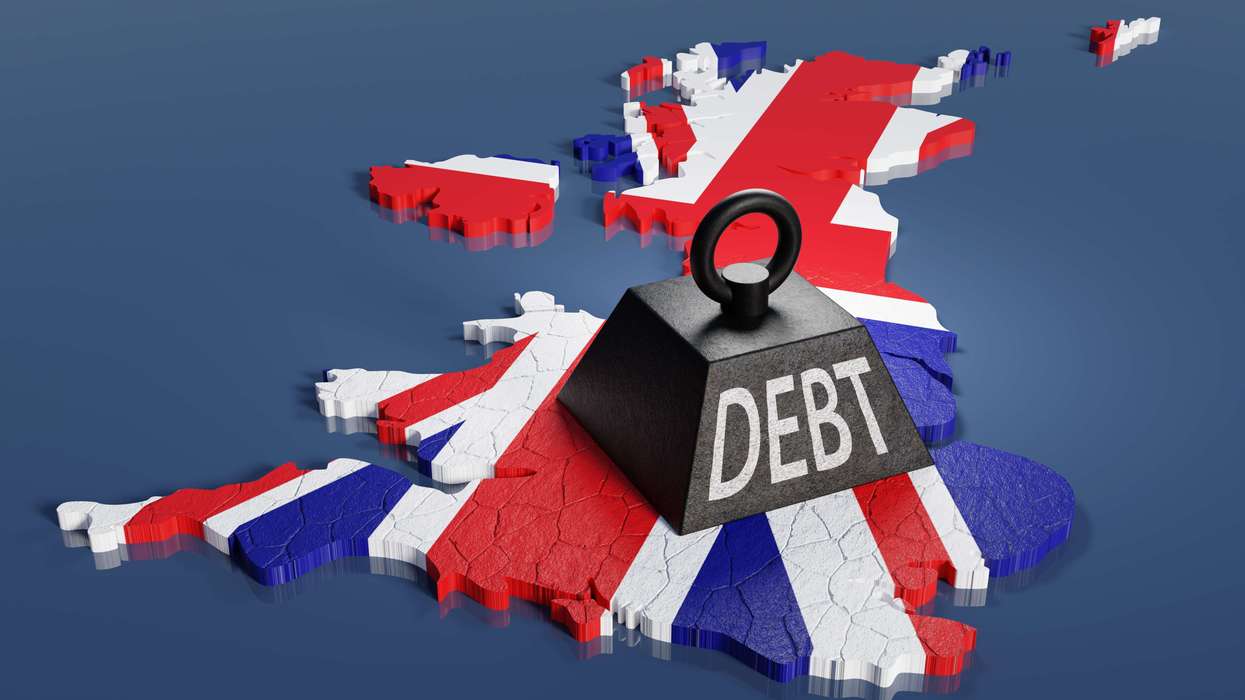
UK Borrowing
Lower borrowing has offered some relief, but the UK's debt challenges remain
iStock

Could UK households face higher bills and borrowing costs this Christmas?

  • UK borrowing costs have reached their highest level since 1998.
  • Markets are pricing in as many as five interest rate rises by November 2027.
  • Energy bills could rise by 25 per cent in January.

UK households could face a difficult run-up to Christmas, with borrowing costs rising sharply just as energy and fuel prices threaten to push inflation higher.

The yield on 30-year UK government bonds, known as gilts, climbed above 5.95 per cent this week, reaching its highest level since 1998. The yield is closely watched because it reflects how much it costs the government to borrow over the long term.

Keep ReadingShow less