
QUEEN ELIZABETH II died, aged 96, on September 8, 2022, after a reign lasting 70 years, the longest in British history.
Her 100th birth anniversary on Tuesday (21) is being marked by dozens of articles, books and a BBC documentary, Queen Elizabeth II: Her Story, Our Century.
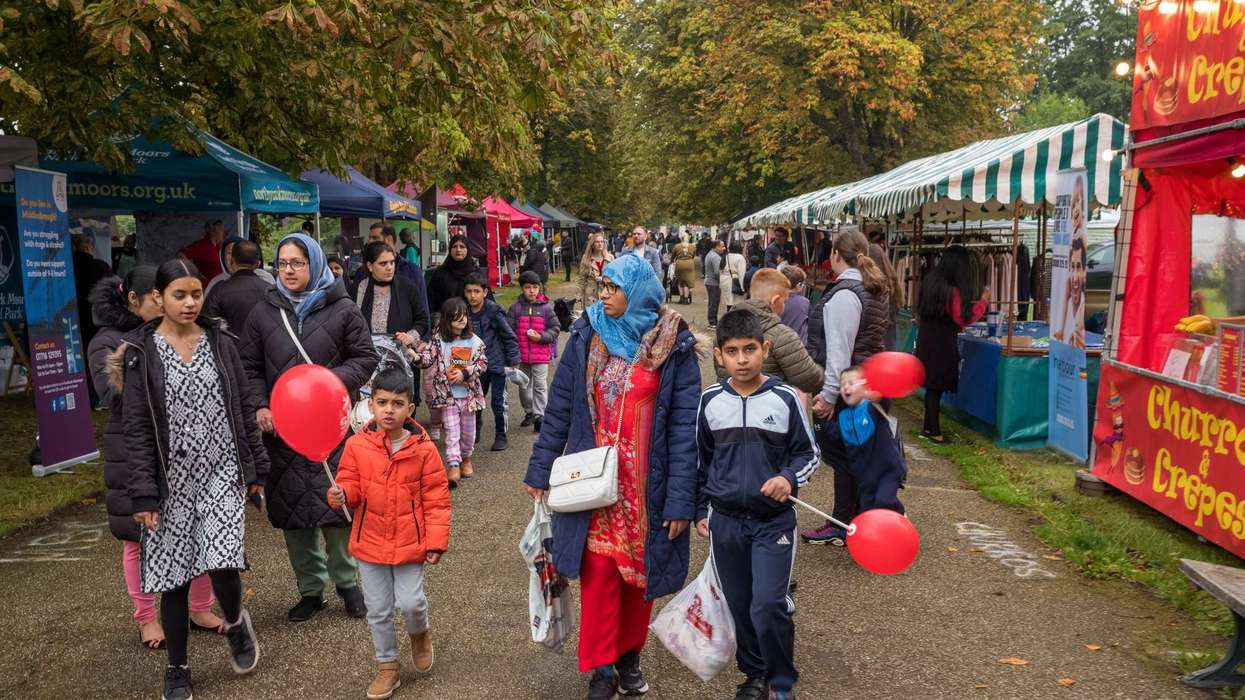
She became Queen on the death of her father, George VI, on February 6, 1952. I visited “Treetops” in Kenya, where she famously went up a princess and came down a queen because her father died in the night. A look back at her life is also, invariably, a portrait of how Britain has changed from an essentially white society to today’s multicultural, multiethnic and multi-religious country.
What did she really think of this change?
The answer is we don’t know.
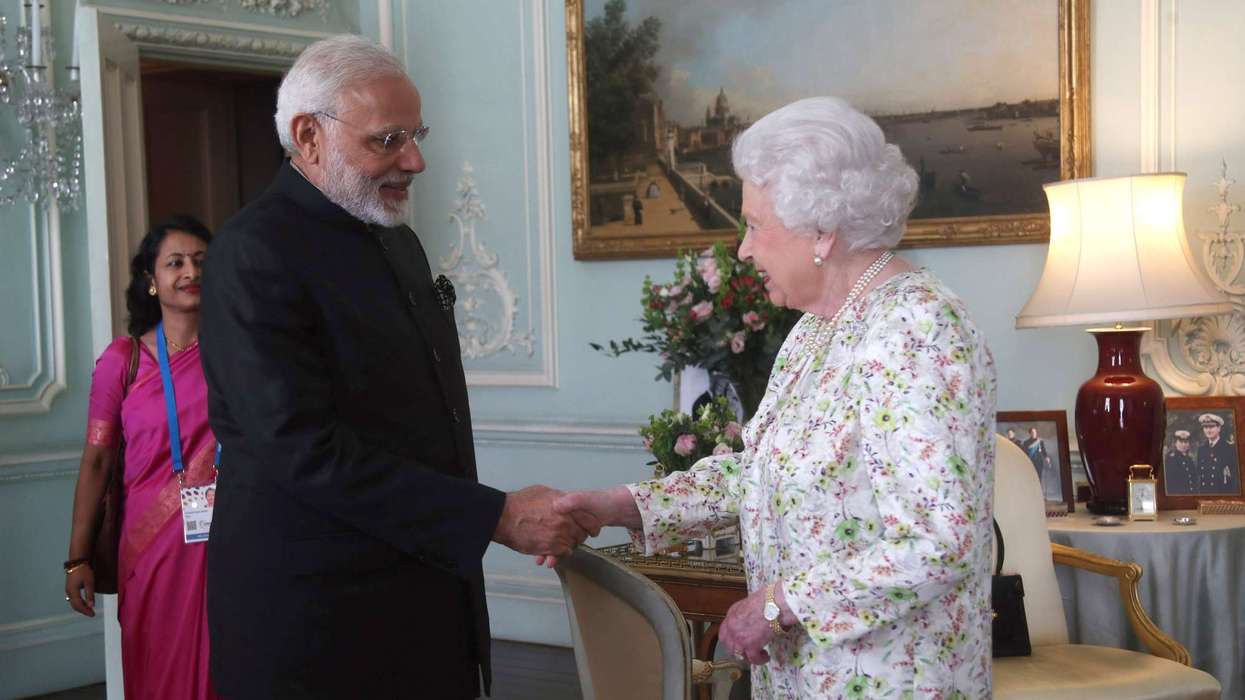
She was certainly a great supporter of the Commonwealth and made sure, with the support of India’s prime minister, Narendra Modi, that Prince Charles would succeed her as the head of the organisation.
That the group survived at all in its early days was due to the decision taken by Jawaharlal Nehru that India should become a member of the Commonwealth after India became independent in 1947.
India is, of course, the most populous of the current 56 members of the Commonwealth. At one stage, the Queen had differences with her prime minister, Margaret Thatcher, who did not wish to impose sanctions against an apartheid South Africa in defiance of Commonwealth opinion, especially that of the Indian prime minister, Rajiv Gandhi. We don’t know anything about what she made of Indira Gandhi, who was treated very much as the queen of India.
The former US president, Barack Obama, who was interviewed for the BBC documentary, summed up the Queen’s status very well when he said: “She understood the sweep of history. That gave her respect on the world stage.”
She grew up in a Britain when the attitude to the monarchy was deferential. With the passing of time, her accent changed. During her long reign, she hardly ever put a foot wrong. Her personal political opinions she nearly always kept to herself, which is remarkable, considering she dealt with 15 prime ministers – ranging from Winston Churchill to Anthony Eden, Harold Macmillan, Alec Douglas-Home, Harold Wilson, Edward Heath, James Callaghan, Margaret Thatcher, John Major, Tony Blair, Gordon Brown, David Cameron, Theresa May, Boris Johnson and Liz Truss.
Perhaps the Queen’s greatest contribution was she provided a sense of stability and continuity. Vilayat was a country to which people from India, for example, wanted to come.
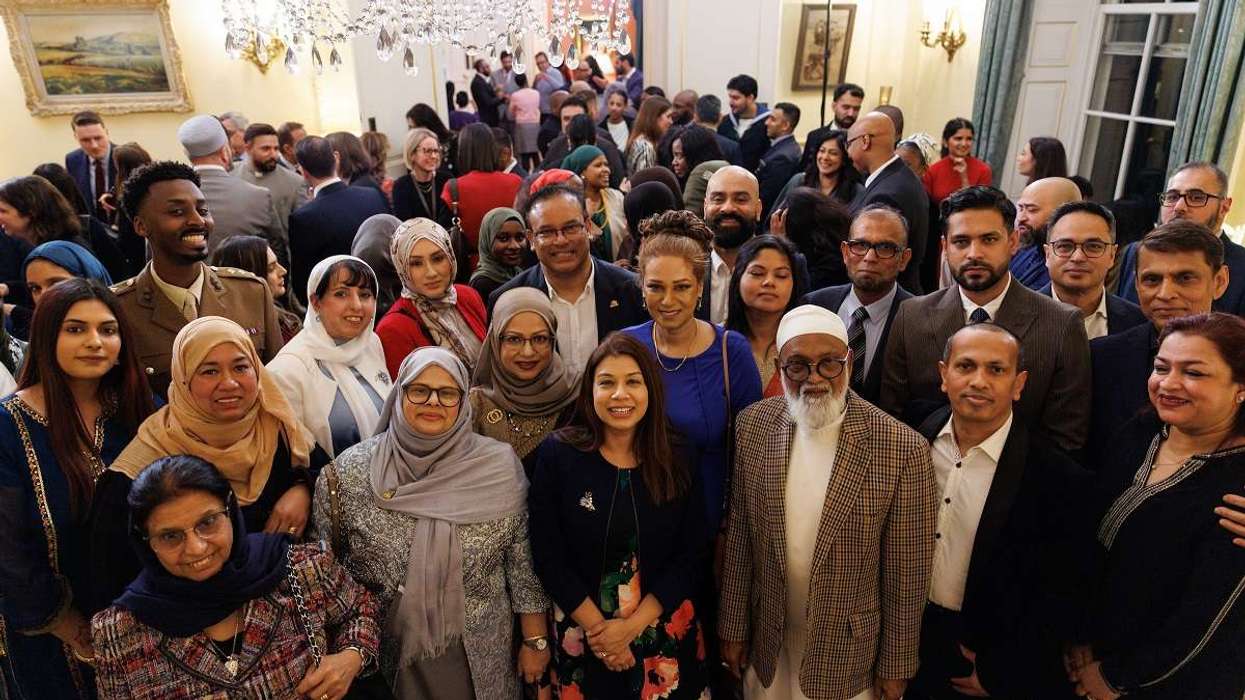
Today, there are 2.5 million people of Indian origin in the country. There are more than one million people of Pakistani origin. Based on the 2021 census data, there are 3.9 million Muslims in England and Wales, making up 6.5 per cent of the population. There is currently an exhibition, Queen Elizabeth II: Her Life in Style, at Buckingham Palace featuring her fashion legacy. Perhaps Diana, had she become queen, would have worn a salwar kameez or a sari in public. That thought probably never occurred to the Queen.
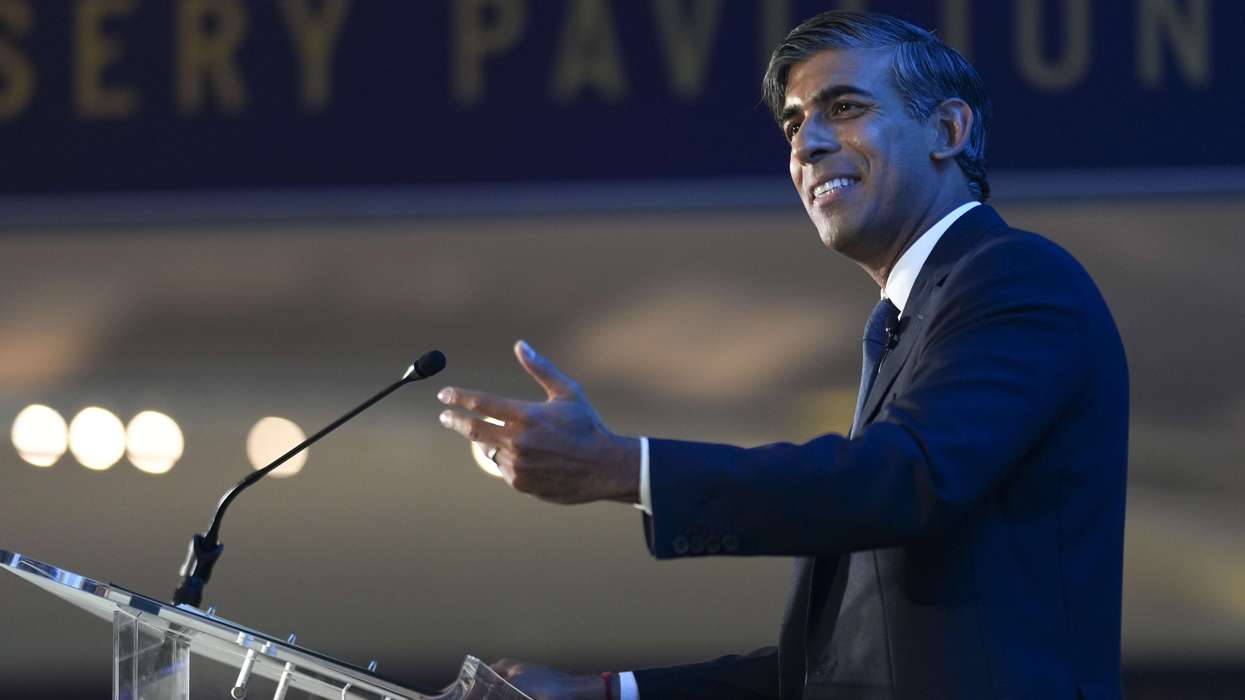
Perhaps the BBC should follow up with a documentary on the Queen’s relationship with Britain’s ethnic minorities. Certainly, there are books to be written on the subject. That task will be much easier with King Charles, who, in October 2022, gifted a box of Diwali sweets on confirming Rishi Sunak as his first prime minister.
His mother considered herself defender of the faith. Charles sees himself as defender of faiths.
Some things have not changed in the sense governments will continue to use the royal family to achieve foreign policy objectives. In 1961, the Queen went to Ghana when the country was said to be considering leaving the Commonwealth following independence. She danced at a ball with the country’s president, Kwame Nkrumah. There was shock and delight in almost equal measure that a white woman had taken to the floor with a black man. Ghana remains a member of the Commonwealth. In trying to persuade president Donald Trump to be less anti-British, poor King Charles, off to the US shortly, has infinitely the more difficult task.