
India's human rights watchdog has asked government officials to examine reported discrimination by Foxconn.
There have been media reports that the major Apple supplier has been rejecting married women from iPhone assembly jobs in the country.
In a statement on Monday (1), the National Human Rights Commission (NHRC) said it had issued notices to the secretary of Prime Minister Narendra Modi's labour ministry and the chief secretary of the state government of Tamil Nadu, site of a major iPhone factory, calling for a detailed report within a week.
"NHRC observes that the matter, if true, raises a serious issue of discrimination against married women causing the violation of the right to equality and equal opportunity," it said.
The Reuters investigation has sparked debates on TV channels, newspaper editorials, calls from women groups, including within Modi's party as well as opposition parties to investigate the matter. Modi's federal government has also asked Tamil Nadu state for a "detailed report".
Modi's labour ministry, Apple and Taiwan-based Foxconn did not immediately respond to requests for comment. A Tamil Nadu government spokesman referred questions to its labour department, which did not respond.
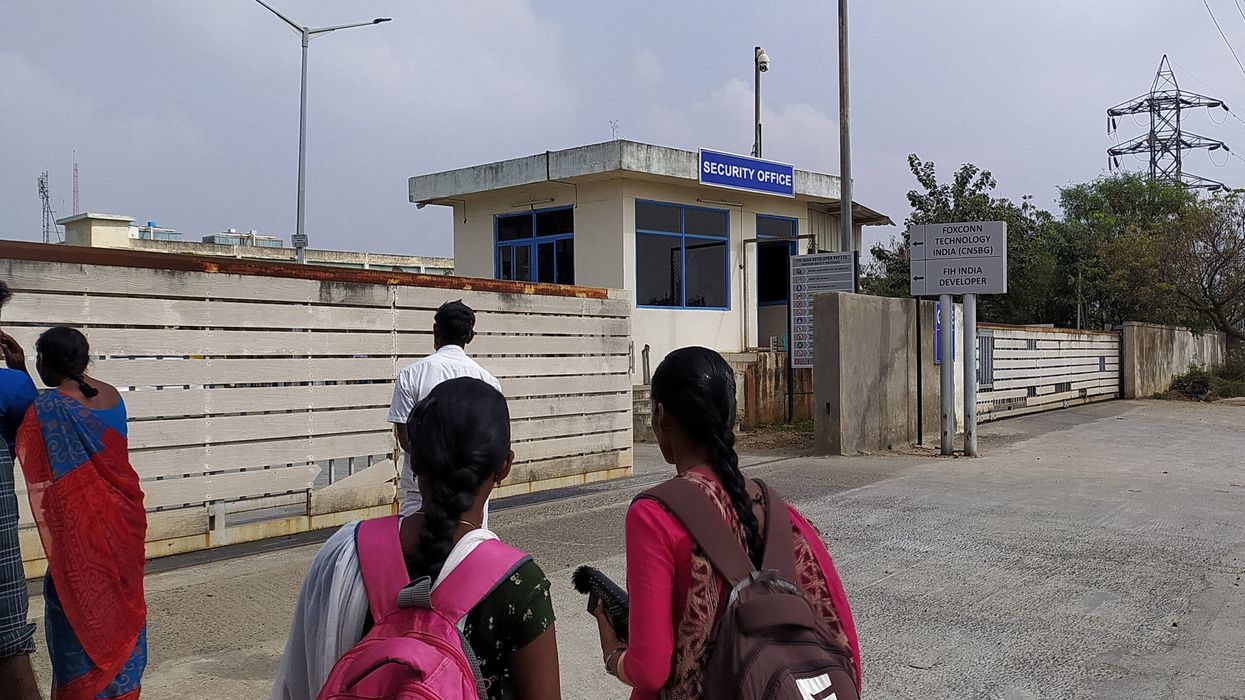
The Reuters investigation found Foxconn systematically excluded married women from jobs at its main India iPhone plant on the grounds they have more family responsibilities than their unmarried counterparts. Foxconn hiring agents and HR sources cited family duties, pregnancy and higher absenteeism as reasons for not hiring married women.
Responding to the investigation, published last week, Apple and Foxconn acknowledged lapses in hiring practices in 2022 and said they had worked to address the issues. All the discriminatory practices documented by Reuters at the Tamil Nadu plant, however, took place in 2023 and 2024. The companies didn't address those instances.
Foxconn has said it "vigorously refutes allegations of employment discrimination based on marital status, gender, religion or any other form."
Apple has said all its suppliers, including Foxconn, hire married women and "when concerns about hiring practices were first raised in 2022 we immediately took action and worked with our supplier to conduct monthly audits to identify issues and ensure that our high standards are upheld."
Indian law does not bar companies from discriminating in hiring based on marital status, though Apple's and Foxconn's policies prohibit such practices in their supply chains.
The NHRC said it "noted the fact that gender equality is not only required in the Indian constitution but the international treaty and covenants."
State authorities must ensure that all companies follow the norms and regulations relating to labour laws, it added. (Reuters)