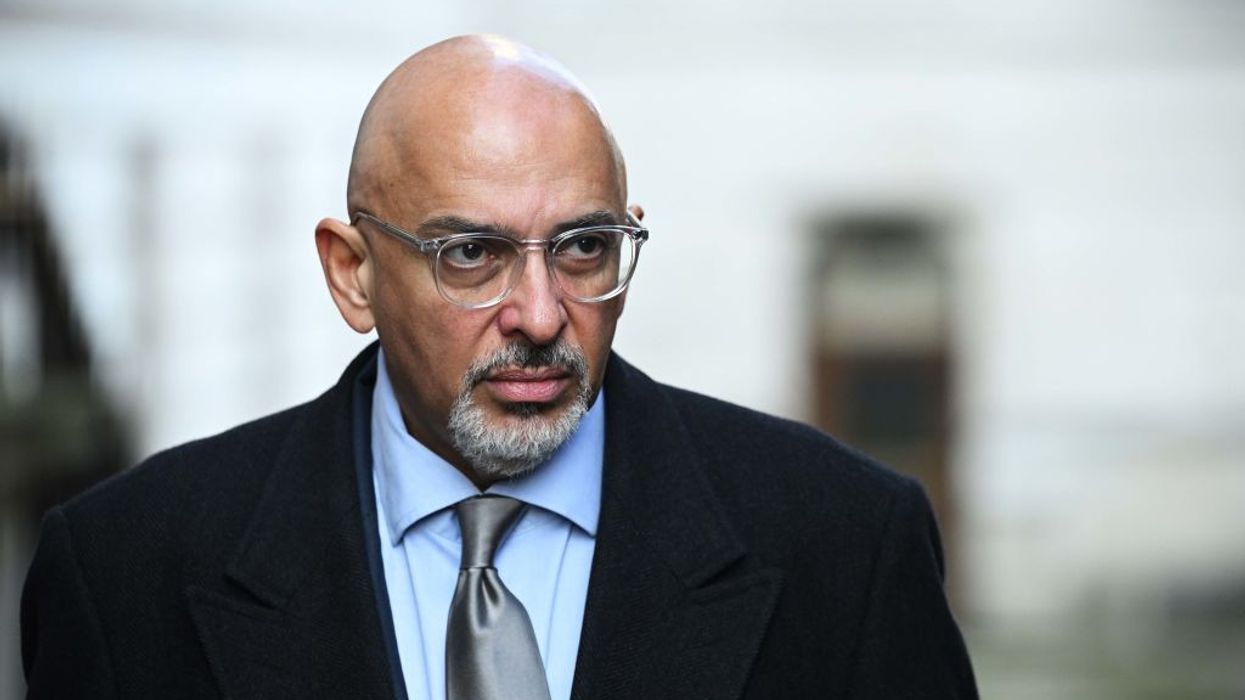

BRITAIN's newly appointed chancellor of the exchequer, Nadhim Zahawi has urged prime minister Boris Johnson to 'go now' in a letter.
He also clarified that he took the new role ‘out of loyalty', adding that he is willing to 'shoulder the criticism' for his decision.
In his letter, Zahawi said that Johnson 'should leave with dignity'.
"Out of respect, and in the hopes that he would listen to an old friend of 30 years, I kept this counsel private," he wrote. "I am heartbroken that he hasn’t listened and that he is now undermining the incredible achievements of this government at this late hour."
"The country deserves a government that is not only stable but which acts with integrity. Prime Minister, you know in your heart what the right thing to do is, and go now," the minister concluded.
Zahawi, 55, was born in Iraq and moved to Britain in the mid-1970s when his Kurdish family fled the rule of Saddam Hussein.
A long-standing member of the Conservative Party, Zahawi worked in the 1990s as an aide for novelist and politician Jeffrey Archer, who was jailed for perjury in 2001.
In 2000 he co-founded the polling company YouGov and was its chief executive until 2010, turning the company into one of Britain's top market research companies.
Zahawi ran in the 2010 general election as the Conservative Party candidate for Stratford-upon-Avon and won. His success in business prompted then prime minister David Cameron to appoint Zahawi to the policy unit in Downing Street.
After working in junior ministerial roles in the education and business departments, he was appointed minister in charge of the Covid-19 vaccine rollouts in 2020. In 2021, Boris Johnson appointed him to the cabinet as education secretary.
Nadhim Zahawi's letter in full
My number one priority has and always will be this great country. When asked to become Chancellor, I did it out of loyalty. Not to a man, but loyalty to this country and all it has given me.
The challenges Britain faces, be it inflation or Putin’s war in Ukraine, will not pause for anything, and it is vital that the major offices of state continue to function through a national crisis.
If people have thought poorly of me for that decision, it is criticism I am willing to shoulder.
Yesterday, I made clear to the Prime Minister alongside my colleagues in No10 that there was only one direction where this was going, and that he should leave with dignity.
Out of respect, and in the hopes that he would listen to an old friend of 30 years, I kept this counsel private.
I am heartbroken that he hasn’t listened and that he is now undermining the incredible achievements of this Government at this late hour.
No one will forget getting Brexit done, keeping a dangerous antisemite out of No 10, our handling of covid and our support for Ukraine in its hour of need.
But the country deserves a Government that is not only stable, but which acts with integrity.
Prime Minister, you know in your heart what the right thing to do is, and go now.