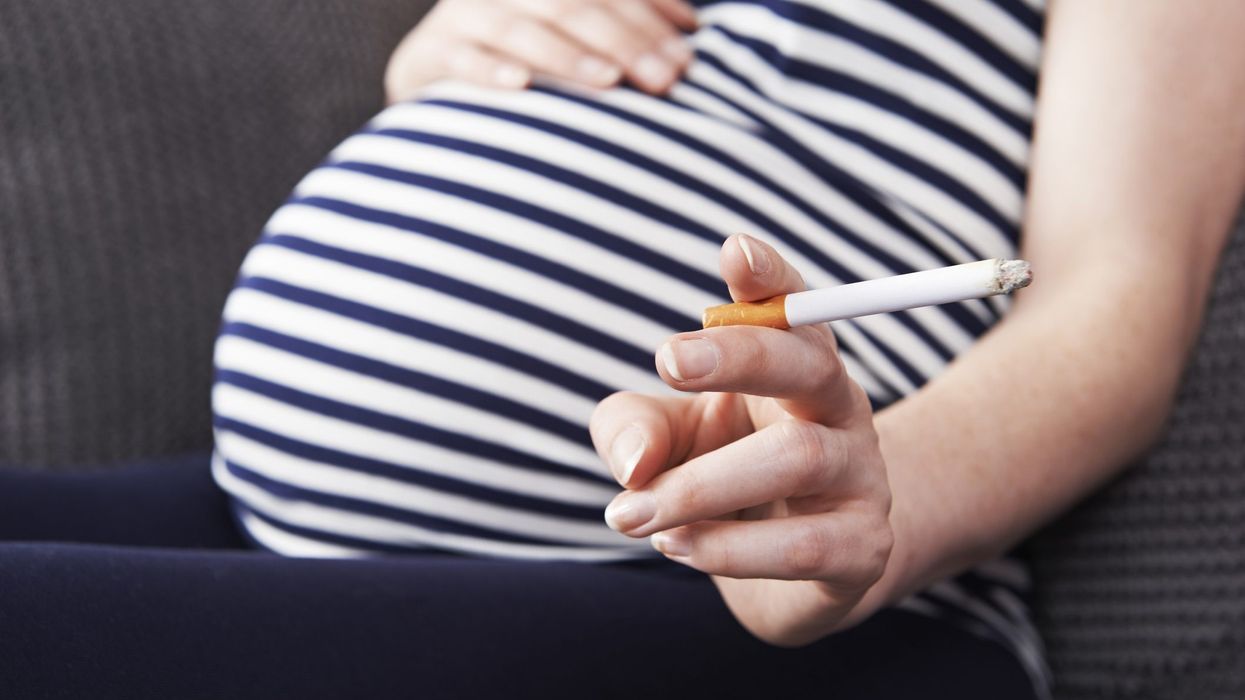

A new study conducted by researchers from the University of Cambridge has discovered that smoking during pregnancy poses a significantly higher risk than previously estimated.
The study, published in the International Journal of Epidemiology, revealed that pregnant women who smoked were 2.6 times more likely to give birth prematurely compared to non-smokers, doubling the previous estimates of the increased risk, which were at 1.27 times.
Additionally, the research found that babies born to smokers were 4.1 times more likely to be small for their gestational age, increasing the potential for severe complications such as breathing difficulties and infections, The Times reported.
In the study led by Professor Gordon Smith, head of the department of obstetrics and gynaecology at the University of Cambridge, it was observed that babies born to smokers weighed an average of 387 grams less than those born to non-smokers.
This lower birth weight is associated with a higher risk of developmental issues and poorer health in later life.
The research team also investigated caffeine intake but found no evidence linking higher consumption levels to adverse effects in pregnant women.
Professor Smith emphasised the seriousness of the findings, stating that smoking during pregnancy poses a greater risk than previously believed.
He highlighted the potential for severe complications, including slow growth in the womb and premature birth.
Professor Smith expressed hope that this knowledge would encourage pregnant women and those planning pregnancy to seek smoking-cessation services. He underlined the importance of quitting tobacco during pregnancy, as it offers lifelong benefits for both the mothers and their children.
The study conducted at the University of Cambridge utilised data from thousands of women receiving care at maternity services in Cambridge.
To assess smoking and caffeine consumption accurately, researchers used blood tests to detect metabolites, chemical by-products formed during the body's processing of substances like tobacco and caffeine.
This method provided a more reliable measurement compared to previous studies that relied on self-reported information from women about their smoking and consumption habits.
Surprisingly, nearly one in three women who were consistently exposed to smoking during pregnancy did not self-report as smokers in this study.
Pregnant women are generally advised to abstain from smoking and limit their caffeine intake due to potential risks to the baby.
Professor Smith, emphasised that the study findings should not be interpreted as a license for pregnant women to consume excessive caffeine.
He clarified that the research did not include all possible adverse pregnancy outcomes, such as stillbirth, which have been associated with higher caffeine intake in previous studies.
The study specifically examined women with consistently elevated levels of caffeine metabolites, not those with extremely high caffeine intake.
Consequently, the findings do not suggest a need to revise the existing recommendations regarding caffeine intake during pregnancy.
Additionally, a separate study conducted by the University of Essex revealed higher rates of miscarriage and stillbirth among women who experienced job loss, or whose partners lost a job, during pregnancy.
The researchers published their findings in Human Reproduction, suggesting that this link, if causal, might be connected to stress, reduced access to prenatal care, or lifestyle changes.






 Jodie Kidd walks the runway at the M&S show Getty Images
 The accessible pricing was central to M&S's messageGetty Images
 Lennon Gallagher walks the runway at the M&S showGetty Images