
Highlights
- DC London Pie Limited, Pizza Hut UK’s restaurant operator, entered administration just 10 months after rescuing the chain.
- Yum! Brands secured 64 dine-in locations saving 1,276 jobs, while 68 restaurants and 11 delivery sites will close permanently.
- Rising labour costs and tax pressures blamed as UK hospitality sector faces mounting challenges from wage increases and reduced consumer spending.
Pizza Hut collapse
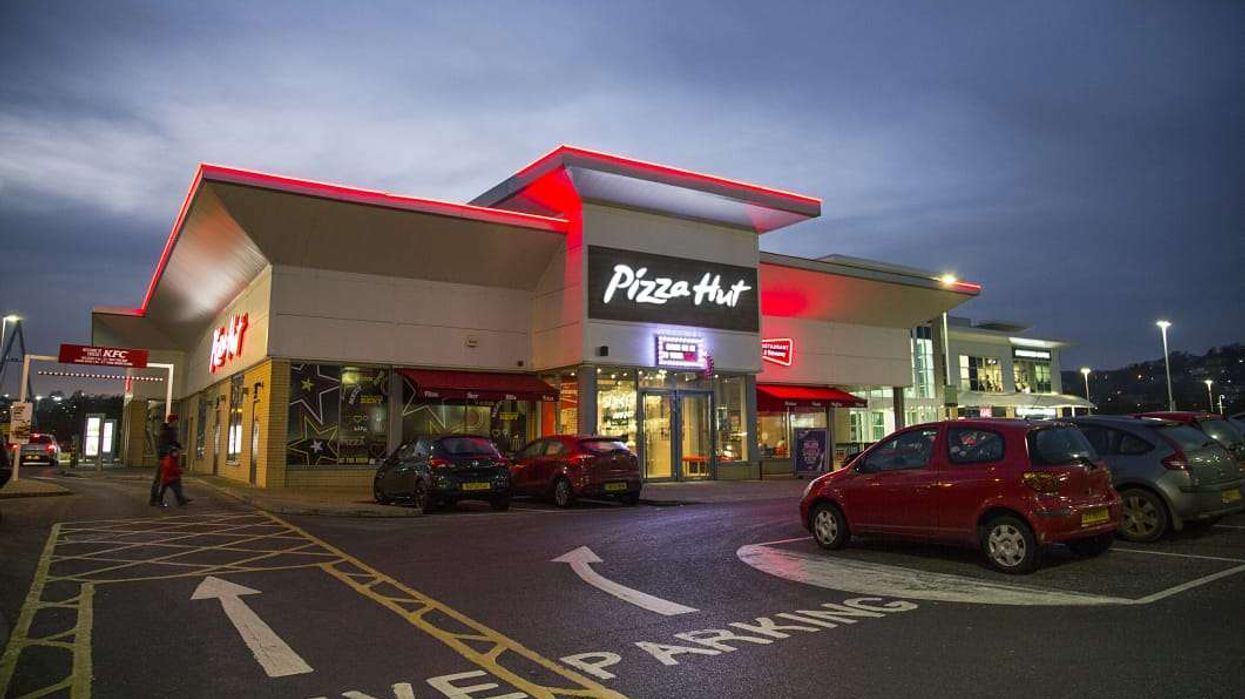
Pizza Hut UK faces major upheaval as its restaurant operator entered administration on Monday (20), resulting in the immediate closure of 68 dine-in locations and 11 delivery outlets. The move puts 1,210 jobs at risk, marking another significant blow to Britain’s struggling casual dining sector.
DC London Pie Limited, the company operating Pizza Hut’s UK dine-in restaurants, appointed FTI Consulting as administrators after facing severe financial pressures. The development comes less than a year after the firm had rescued the chain from a previous insolvency.
In a partial rescue deal, Pizza Hut’s global parent company Yum! Brands stepped in to acquire 64 dine-in restaurants through a pre-packaged administration arrangement. “This targeted acquisition aims to safeguard our guest experience and protect jobs where possible,” said Nicolas Burquier, managing director of Pizza Hut International Operating Markets to Reuters.
Approximately 1,276 employees will transfer to the new Yum! Brands operation, though the company confirmed that delivery and takeaway services remain unaffected by the administration process.
Hospitality sector struggles
Businesses are being squeezed by a combination of increased National Minimum Wage requirements which rose 9.8 per cent in April 2024 to £11.44 per hour and higher employer National Insurance contributions announced in the government’s autumn budget.
Isabelle Shepherd, a partner at HaysMac, explained that “hospitality businesses are suffering from the twin pressures of reduced sales and significantly increased labour costs, squeezing cashflows and working capital.”
DC London Pie had faced mounting difficulties, including a winding-up petition from HMRC over unpaid taxes filed just last month.
Pizza Hut UK is not alone in its struggles. Papa Johns closed nearly 75 UK restaurants in 2024, while TGI Friday’s UK operator Hostmore entered administration last year, affecting 36 stores and 1,000 jobs.
The Centre of Retail Research projects approximately 17,000 shop closures across Britain throughout 2025, signalling continued difficulties for the retail and hospitality sectors.