
Highlights
- First iPhone cleared for deep space usage after rigorous safety evaluation.
- Four-phase assessment examines hardware behaviour in zero gravity conditions.
- Astronauts sharing Earth and lunar surface photos taken with iPhone cameras.
The historic approval comes as part of the Artemis II mission, which represents NASA's first crewed spacecraft journey into deep space in 50 years and its first lunar mission of the 21st century.
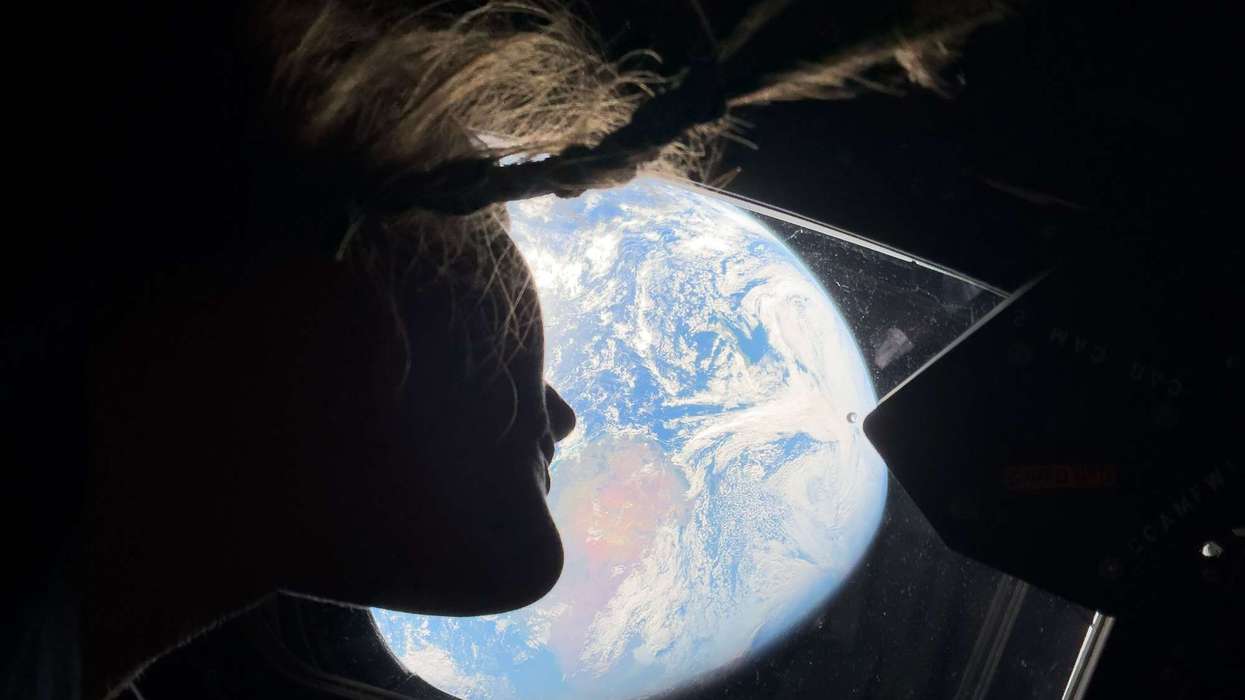
Astronauts have been continuously posting images on NASA's mission page, including shots of Earth from space and views of the lunar surface as the spacecraft prepares for its flyby.
These photographs were taken using the iPhone 17 Pro Max, which launched in September 2025.
Previously, NASA permitted cameras and GoPros to document missions but had never approved smartphone usage.
The space agency maintains a lengthy evaluation process for any new hardware taken into space, assessing each piece of equipment for safety and potential hazards that might arise in zero gravity and microgravity conditions.
Rigorous safety process
Tobias Niederwieser, an assistant research professor at BioServe Space Technologies at the University of Colorado, explained that hardware behaves differently in space environments, creating unique hazard scenarios.
The Ceramic Shield display or Sapphire glass covering the iPhone's lenses, if shattered, would create floating shards inside the spacecraft rather than falling to the floor.
These fragments pose risks of cutting astronauts' faces or entering nasal cavities during breathing.
Apple declined to confirm involvement in the approval process but acknowledged this marks the first time an iPhone has been fully qualified for usage in Earth orbit and deep space.
The company's statement confirms the milestone nature of the device's clearance for space travel.
The Artemis 2 mission continues NASA's efforts to return humans to lunar exploration, crew members are now using everyday technology along with traditional space equipment to document their historic journey.