
More could have been done to protect an Indian-origin couple murdered by their son by taking note of early warning signs about his violent behaviour and poor mental health, according to a new report this week into the fatal attack in Oldbury in 2020.
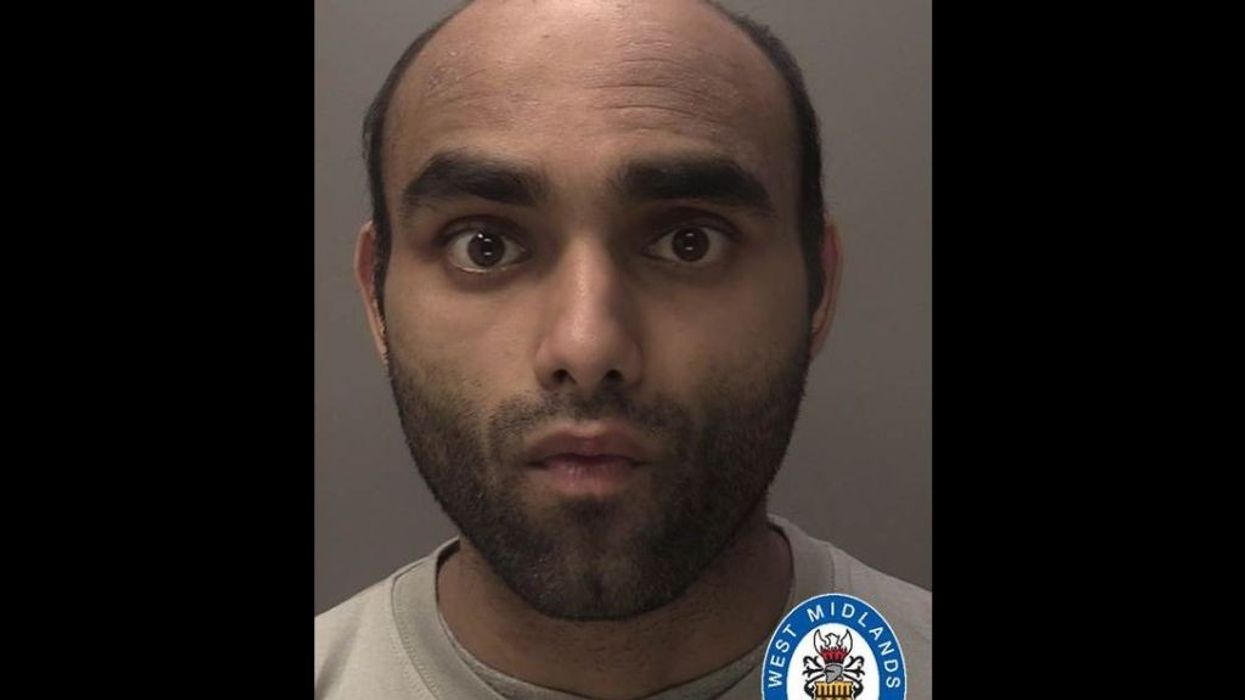
Anmol Chana was sentenced to life imprisonment with a minimum term behind bars of 36 years before being considered for parole by Birmingham Crown Court in August 2020, when he was convicted of stabbing his mother Jasbir Kaur, 52, and her husband Rupinder Singh Bassan, 51, multiple times.
The British Sikh couple were found dead at their home in February of that year after West Midlands Police officers forced their way into their home following concerns being raised for their welfare.
Now, a report by the Independent Domestic Homicide Review has been published by the Safer Sandwell Partnership Local Police and Crime Board to state that mental health professionals failed to “formally assess” Chana. The report includes extensive details provided by the family’s health professionals from 2002 until 2020 when the double murder occurred.
“It is clear from the report that, over many years of agencies’ involvement with the perpetrator, more could have been done to address his violent behaviour and poor mental health, while also providing better support to his mother and sister who lived with ongoing fear and anxiety about what he would do next,” said Chief Superintendent Maria Fox, chair of the Safer Sandwell Partnership.
The report, quoted by the BBC, said Chana "was never formally assessed by mental health professionals in adulthood and was not referred to mental health services by his GP or [emergency] staff, because he was unwilling to engage", which meant "the family's concerns went unaddressed".
"They felt in the months before the homicide that he was exhibiting elements of psychosis and was a danger to them and others," the report stated.
Among the highlighted issues were instances of victim-blaming by agencies and Chana's lack of formal assessment by mental health professionals despite troubling behaviour.
“Chana carried out a despicable crime against his family in their own home which should have been a place of safety. Our investigation revealed that Chana was fanatical about knives and had previously expressed a desire to kill his mother,” Detective Inspector Hannah Whitehouse, from the West Midlands Police homicide team, said at the time of his sentencing over two years ago.
“Sadly we do not know what led him to carry out such a vicious and sickening attack. My thoughts remain with the couple’s wider family and friends. I can’t imagine how they are feeling; the shock and pain that his actions have caused will stay with them forever. I hope the guilty verdict provides them with some comfort. Knife crime is devastating and this case has been a harsh reminder of the tragic consequences,” she said.
Kaur’s daughter had been trying to reach her mother and sent a number of messages and even dropped by at their home but noticed Bassan’s car was not there and assumed they were out.
The following day she called the police and said she was concerned having still not been able to get in touch and also having tried her brother, Anmol Chana, at his home in nearby Smethwick.
As enquiries continued, the police called Bassan’s workplace and, upon hearing that he had not attended work, officers forced entry into their home. Tragically, they found Kaur and Bassan dead, stabbed multiple times, West Midlands Police said.
The deceased couple’s daughter paid tribute to her parents as “most loving” people and "beautiful souls".
(PTI)