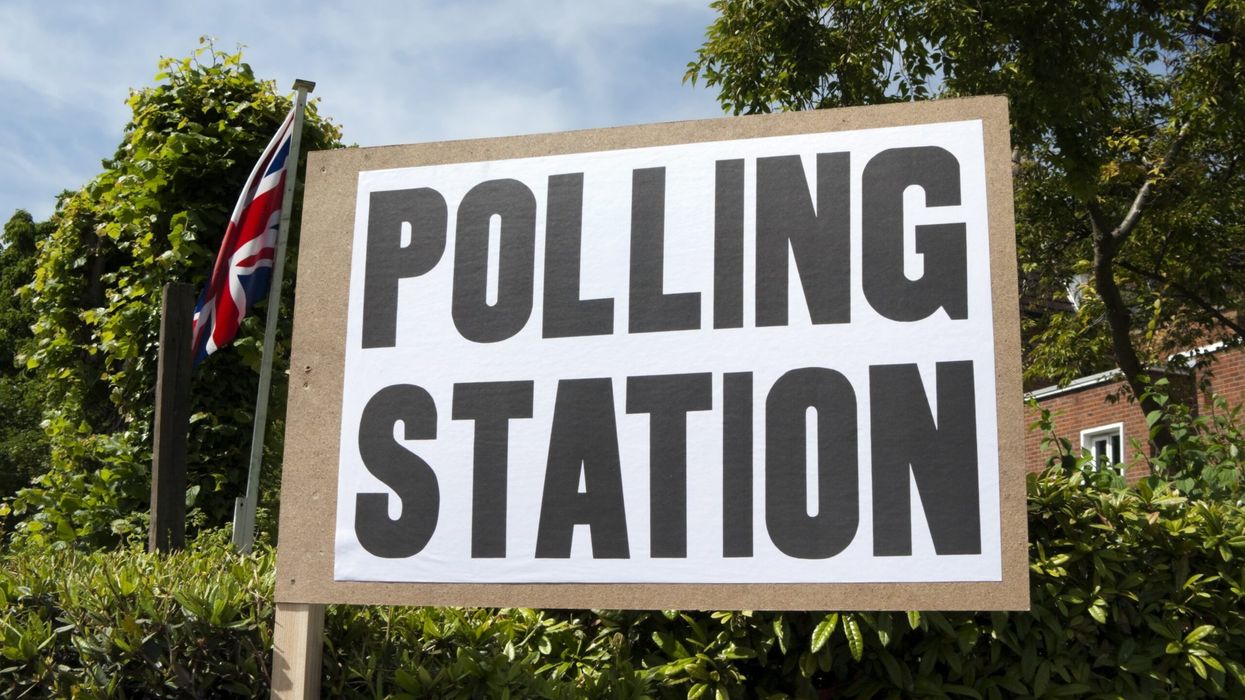

From Tuesday (16) onward, an estimated 3.5 million Britons residing overseas will gain eligibility to vote in UK general elections. This marks one of the most substantial expansions of the country's electoral franchise in a century.
The expansion in the electorate follows a change in the law, approved by parliament in 2022, scrapping a previous curb on UK citizens voting if they had lived overseas for over 15 years.
Implemented ahead of an election set for later this year, it is the most significant change to the voter rolls since a 1928 law granted women equal voting rights, and a 1969 move to lower the voting age to 18 from 21.
Britons worldwide will now be able to register to vote online, regardless of how long they have been overseas.
Under UK election law, once registered they will also be permitted to donate to political parties and campaigners.
Around 233,000 overseas voters were registered for the last election in December 2019, a significant Brexit-attributed bump on the numbers seen in previous contests.
The government estimates Tuesday's change could enfranchise around 3.5 million people -- nearly treble the 1.3 million votes that was the winning margin in the 2016 referendum on European Union membership.
It is also greater than the difference in the vote totals for Britain's two main parties -- the Conservatives and Labour -- in five of the last six general elections.
But UK elections ignore the parties' overall vote counts, instead electing lawmakers under the first-past-the-post system in 650 individual constituencies.
- 'Every corner of the world' -
It remains unclear how many of the newly eligible 3.5 million UK citizens living overseas will successfully register to vote.
They will need to provide details of the address and time they were last registered to vote or living in Britain.
Local authorities, which are responsible for the electoral roll in their areas, must be able to verify an applicant's identity and past connection to the area, according to the Electoral Commission.
Unlike some countries, there is no provision for in-person voting overseas and all ballots have to be cast by post or by using a proxy in the UK.
The Electoral Commission is launching a publicity campaign and working with partner organisations to raise awareness of the rule change.
"We know there are eligible voters in every corner of the world so we're calling on those with friends and family abroad to help spread the news," communications director Craig Westwood said.
Research by Britain's Office for National Statistics suggests the largest numbers of British emigrants are in Australia, New Zealand, the United States, Canada, and European Union member countries.
The election law change follows campaigning by various advocates, including the long-running "Votes for Life" campaign led by an overseas arm of the Conservatives.
Heather Harper, chair of the Conservatives Abroad group, said it put Britain on a par with the United States, France, Italy, and New Zealand "in recognising the importance of their citizens worldwide."
Prime minister Rishi Sunak must call an election by January 2025 at the latest, and said earlier this month that his "working assumption" was to have the contest in the second half of this year.
(AFP)





 Sunder Katwala
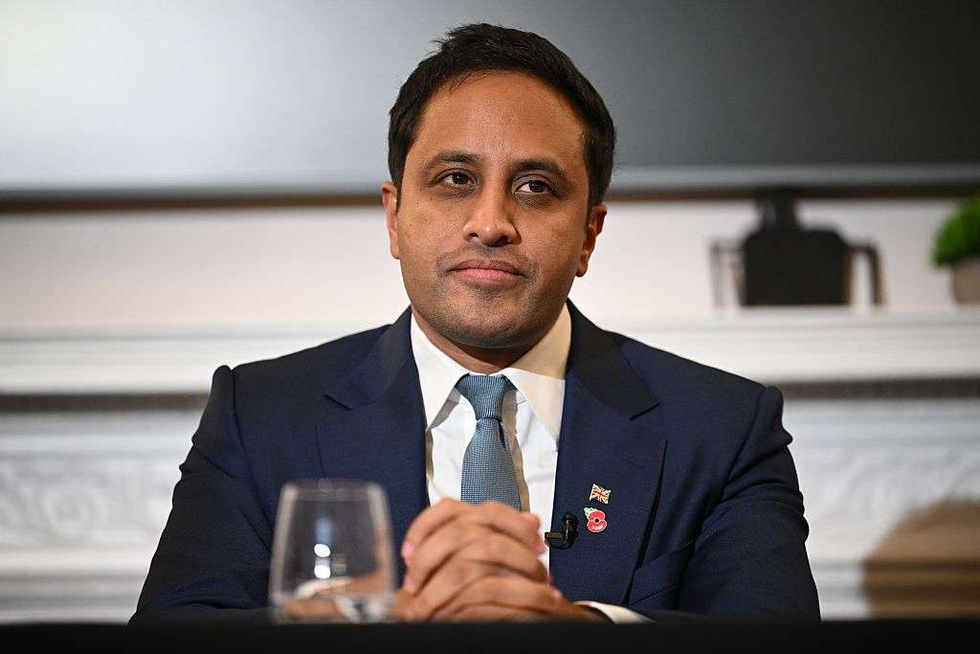 Reform UK spokesperson for home affairs, Zia Yusuf, attends a press conference with Leader of Reform UK Nigel Farage at The Clermont London Hotel on November 2, 2026 in London, United Kingdom. (Photo by Ben Montgomery/Getty Images)
 The decline has renewed calls for tighter immigration controls from the Conservatives.


