
Skip to content
Search

Latest Stories

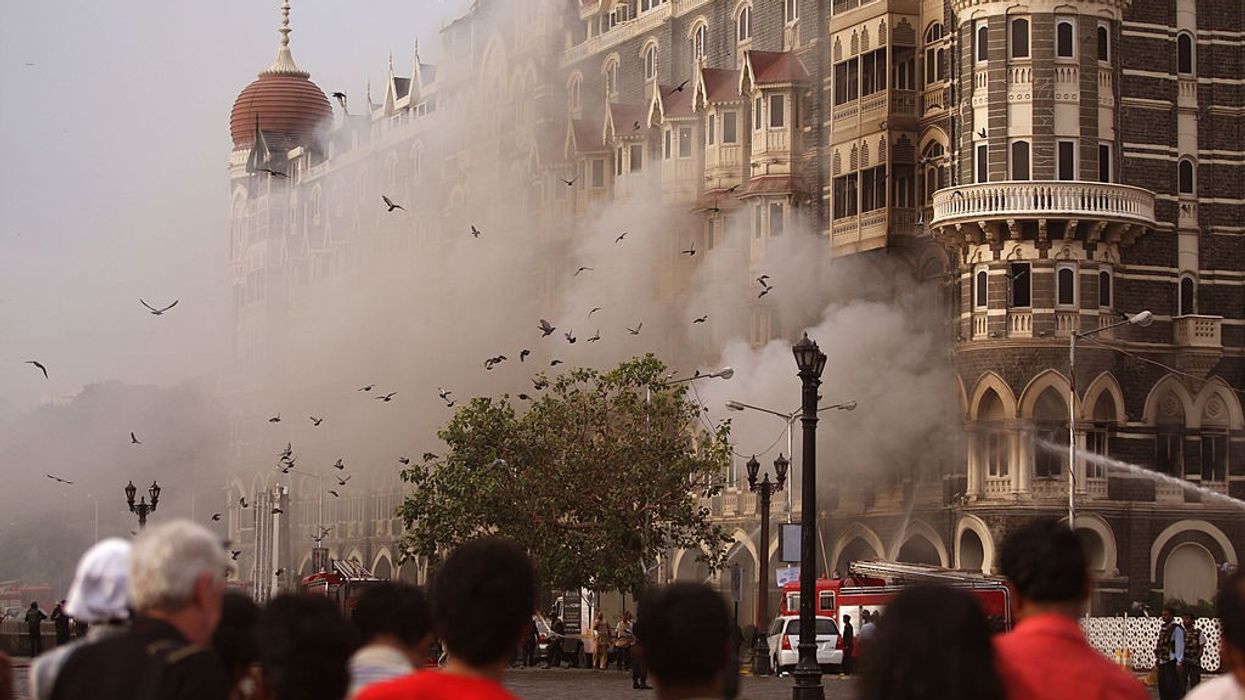
Memories of 2008 Mumbai terrorist attack still 'vivid': US

“The terrorist attacks that took place in 2008 in Mumbai, of course, the memories of that are still vivid. They’re still vivid here (and) in India,” State Department Spokesperson Ned Price told reporters at his daily news conference.

Memories of 2008 Mumbai terrorist attack still 'vivid': US

The memories of the brutal attack by terrorists in Mumbai in 2008 are still vivid both in India and the United States, the Biden administration said on Monday.

"The terrorist attacks that took place in 2008 in Mumbai, of course, the memories of that are still vivid. They're still vivid here (and) in India," State Department Spokesperson Ned Price told reporters at his daily news conference.


"They are still vivid in the United States as well. We can all remember the horrific imagery of that day, the assault on the hotel, and the bloodshed that resulted, and it's why we've continued to insist on accountability for the perpetrators of this, not only the individual operatives who took so many innocent lives that day, but the terrorist groups that were behind this, that helped to orchestrate it as well," Price said in response to a question.

In one of the most horrific terrorist attacks in the country's history, 166 people were killed and over 300 injured as 10 heavily-armed terrorists from Pakistan created mayhem in Mumbai on November 26, 2008.

Nine Pakistani terrorists were killed by the Indian security forces. Ajmal Kasab was the only terrorist who was captured alive. He was hanged four years later on November 21, 2012, after a trial.

(PTI)

More For You

Black and mixed ethnicity children face systemic bias in UK youth justice system, says YJB chair

Keith Fraser

gov.uk

Black and mixed ethnicity children face systemic bias in UK youth justice system, says YJB chair

Highlights

  • Black children 37.2 percentage points more likely to be assessed as high risk of reoffending than White children.
  • Black Caribbean pupils face permanent school exclusion rates three times higher than White British pupils.
  • 62 per cent of children remanded in custody do not go on to receive custodial sentences, disproportionately affecting ethnic minority children.

Black and Mixed ethnicity children continue to be over-represented at almost every stage of the youth justice system due to systemic biases and structural inequality, according to Youth Justice Board chair Keith Fraser.

Fraser highlighted the practice of "adultification", where Black children are viewed as older, less innocent and less vulnerable than their peers as a key factor driving disproportionality throughout the system.

Keep ReadingShow less