
Highlights
- UKHospitality estimates the levy could add £100–£120 to an average family holiday.
- England appears to be following Scotland's uncapped approach rather than Wales's capped £1.30-per-night scheme.
- London mayor Sadiq Khan supports the move; Westminster's council leader wants revenue-sharing guarantees.
THE government is set to grant English mayors the power to introduce a new "overnight visitor levy" on tourists, allowing local leaders to charge a percentage-based tax on hotel and accommodation stays with no upper limit set nationally.
Housing secretary Angela Rayner is expected to unveil details of the policy on Thursday (10) afternoon, following a virtual meeting with regional mayors.
Under the plan, mayors would be permitted to levy a percentage-based charge, rather than a flat fee, on stays in hotels, bed and breakfasts, and other accommodation types. Local leaders would also decide how any revenue raised gets reinvested, though they would need to set out spending plans by March 2028.
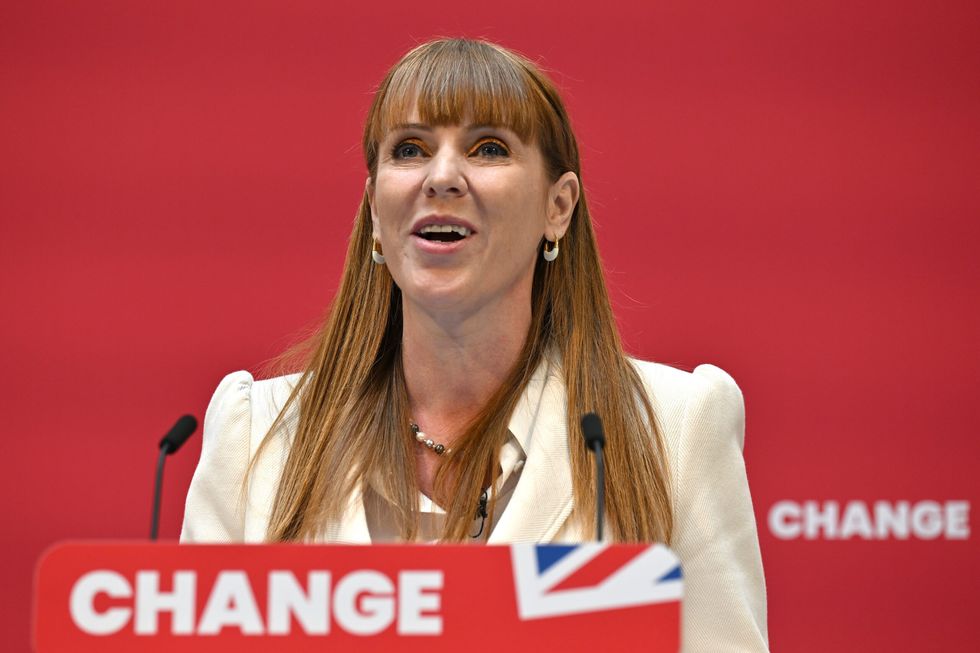 Angela Rayner speaks at the launch of party's election manifesto on June 13 in Manchester. (Photo: Getty Images) Getty Images
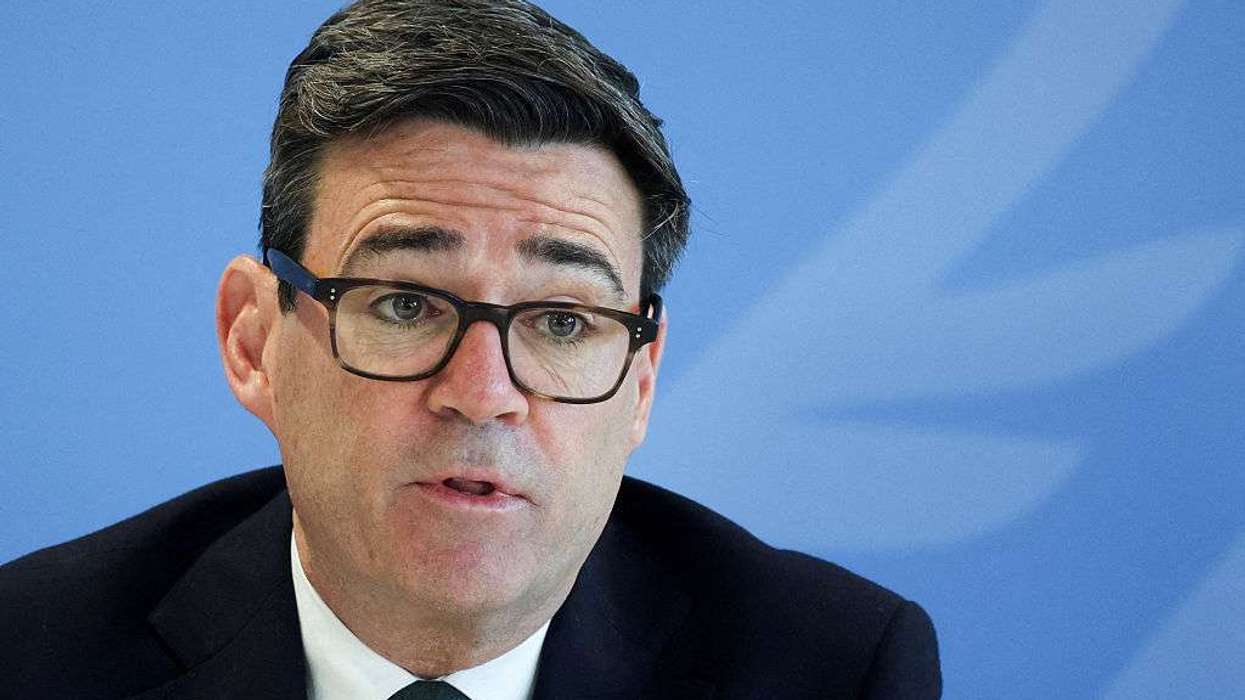
Prime minister Andy Burnham is presenting the move as part of his broader push to devolve power to regional authorities. The proposal was first floated under former prime minister Sir Keir Starmer and echoes existing schemes in Scotland and various European capitals.
Industry backlash
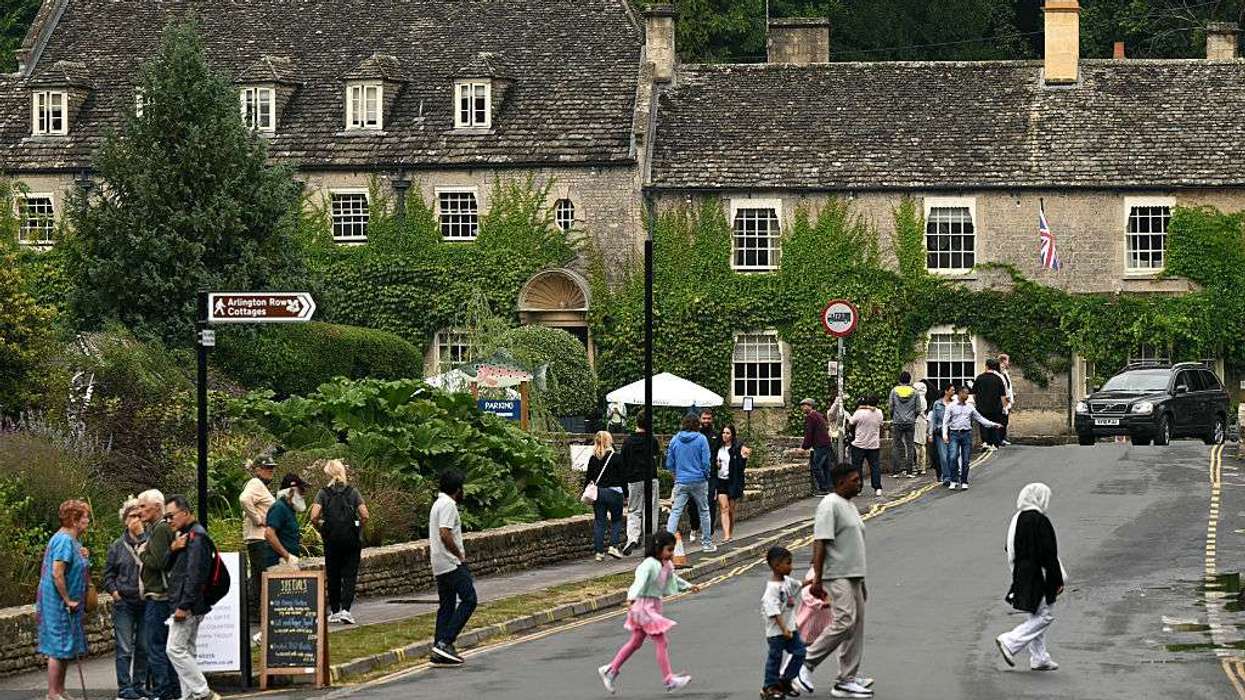
The plan has drawn sharp criticism from the hospitality sector. UKHospitality chief executive Allen Simpson estimated the levy could add roughly £100 to £120 to the cost of an average family holiday, and warned that without a cap, cash-strapped local authorities would have strong incentive to push rates as high as possible.
He also cautioned that some holiday parks could be forced to close during shoulder seasons as a result.
Hospitality bosses say the levy compounds existing pressure from higher employer National Insurance contributions, minimum wage increases, and rising business rates—costs they say have already contributed to significant job losses across the sector. Stephen Cassidy of Hilton UK & Ireland said rising employment costs were pushing employers toward hiring only experienced staff, squeezing out young jobseekers.
Conservative shadow chancellor Andrew Griffith argued the levy would harm youth employment prospects in tourism and hospitality, while Tees Valley mayor Lord Houchen described it as effectively a backdoor business tax.
Government's position
A government source said it would be "up to local leaders and local voters" to decide what's appropriate for their area, and ministers reportedly believe mayors are unlikely to set punitive rates given the levy is proportional rather than flat, which should keep budget accommodation relatively affordable.
Notably, earlier government messaging had suggested a cap might be needed to protect family holidays and give accommodation providers stability, indicating a shift toward the uncapped, Scottish-style model rather than the capped approach used in Wales.
London mayor Sir Sadiq Khan has backed the change, saying it "needs to happen sooner rather than later," though Westminster City Council leader Paul Swaddle warned there would be "precisely zero benefit" to Westminster unless revenue is shared with boroughs.
Manchester and Liverpool already operate voluntary, business-led charges (£1 and £2 per room per night respectively), but mayors currently lack formal power to impose levies themselves. In Scotland, Edinburgh introduced a 5 per cent overnight levy this summer, capped at five nights. Wales is set to introduce a capped charge of £1.30 per person per night from next April.
Comparable taxes already exist in cities including New York, Amsterdam, and Rome, though many European schemes include caps that England's proposed model would not have.
The levy has yet to be brought before parliament despite being outlined in May's King's Speech. Thursday's announcement is expected to provide further detail on implementation and timing, with the policy likely to extend eventually to all of England's strategic authorities as part of the wider devolution agenda.