
- Retail crime across the UK is becoming more organised and confrontational.
- Over 519,000 shoplifting offences were recorded in a year, with many more unreported.
- M&S says workers are facing daily abuse, with some incidents turning violent.
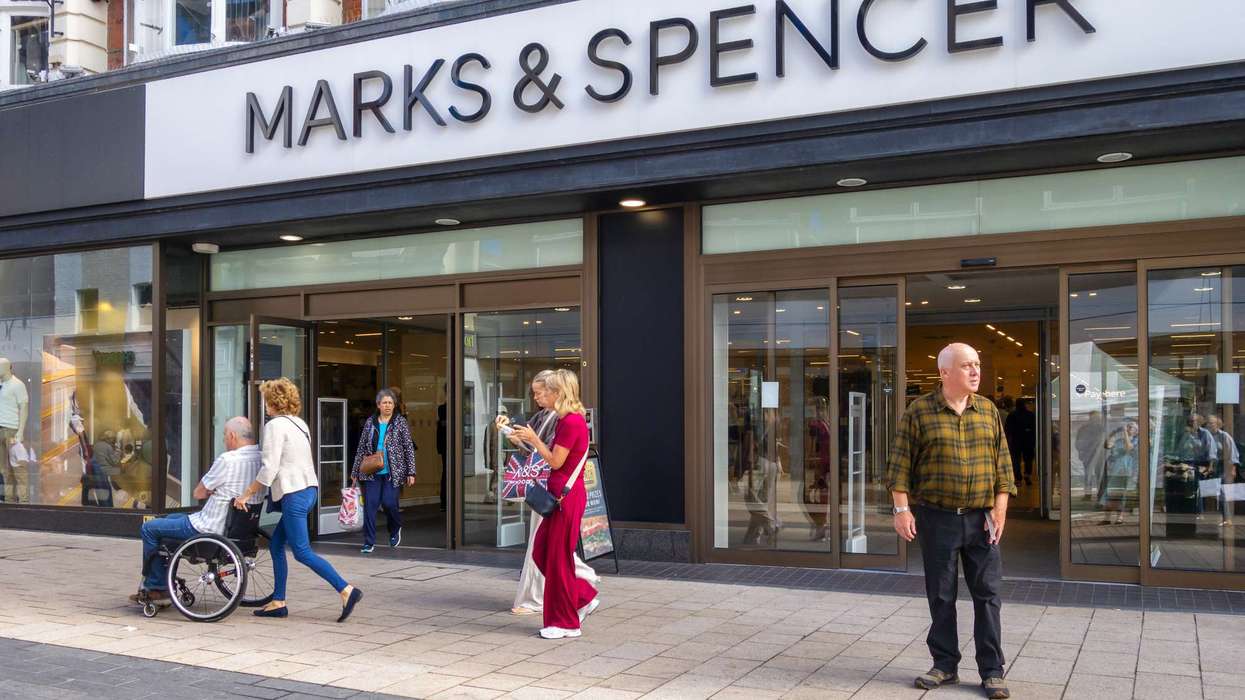
Marks & Spencer is sounding increasingly uneasy about what it calls a sharp shift in retail crime across the UK. This is no longer about isolated shoplifters slipping items into bags. The company says incidents are becoming coordinated, aggressive and, at times, openly confrontational.
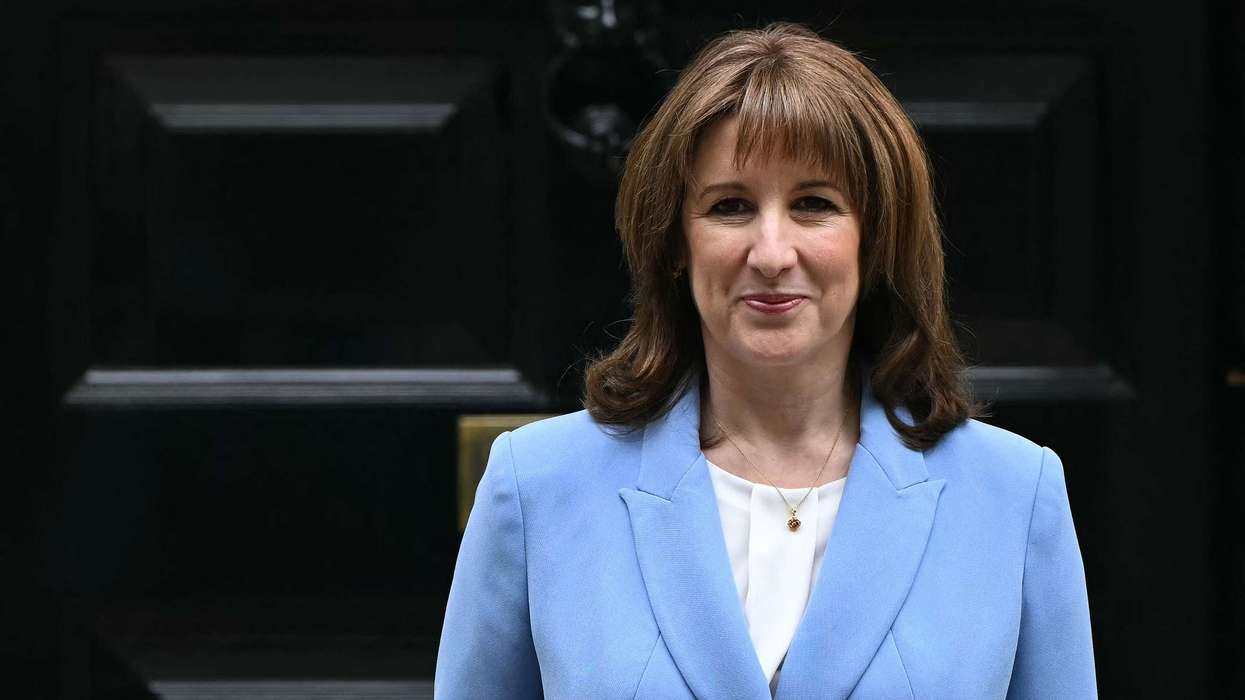
In recent letters addressed to Shabana Mahmood and Sadiq Khan, the retailer’s leadership has pushed for stronger policing and a more focused response to repeat offenders and crime hotspots. The message is clear: the problem is growing faster than the current system can handle.
Thinus Keeve, M&S retail director, described a series of incidents in just one week, including groups forcing open locked cabinets, shelves being cleared in plain sight and staff being physically attacked. In one case, an employee was hospitalised after ammonia was thrown at them. These details were shared, as quoted in a news report, to underline how routine such episodes are becoming.
London at the centre, but not alone
The concern may feel most visible in London, but it is far from contained there. Keeve reportedly said the issue is spreading nationwide, with a sense that “there are no consequences” emboldening offenders.
The numbers reflect that trend. According to official data, shoplifting offences in England and Wales reached 519,381 in the year to September 2025, up 5 per cent from 492,660 the previous year. The figure sits just below the 530,000-plus cases recorded by March 2025, suggesting levels remain close to historic highs.
Industry estimates point to a much larger problem beneath the surface. Keeve claimed there were around 5.5 million incidents last year when unreported cases are considered. At the same time, more than 1,600 retail workers are said to face abuse or violence each day.
The situation in Clapham added to the urgency. Police were called after hundreds of young people gathered as part of social media-driven “link-ups”, with shops targeted and disorder spilling onto the streets. Fires were lit, fireworks set off and multiple assaults reported. Several arrests followed, including teenage suspects.
Khan described the scenes as “utterly unacceptable”, reportedly stating that those involved would face legal consequences. Authorities are also looking at how online platforms may be fuelling such gatherings.
Policy in motion, pressure mounting
There are signs of a policy response, though businesses appear unconvinced it will be enough. The proposed Crime and Policing Bill is expected to make assaulting a retail worker a specific offence and remove the distinction for low-value theft under £200, bringing it under general theft laws with potential sentences of up to seven years.
For retailers, the issue goes beyond financial loss. Adam Hawksbee, head of external affairs at M&S, said staff are increasingly anxious, reportedly noting that some feel uneasy about simply coming to work or travelling home after shifts.
The British Retail Consortium has also flagged organised theft as a key driver behind rising violence in stores, suggesting the two issues are now closely linked.
What emerges is a picture of retail spaces becoming less predictable and more tense. The challenge, as M&S frames it, is no longer just about preventing theft. It is about restoring a sense of safety for workers and customers in places that were once considered routine, everyday environments.