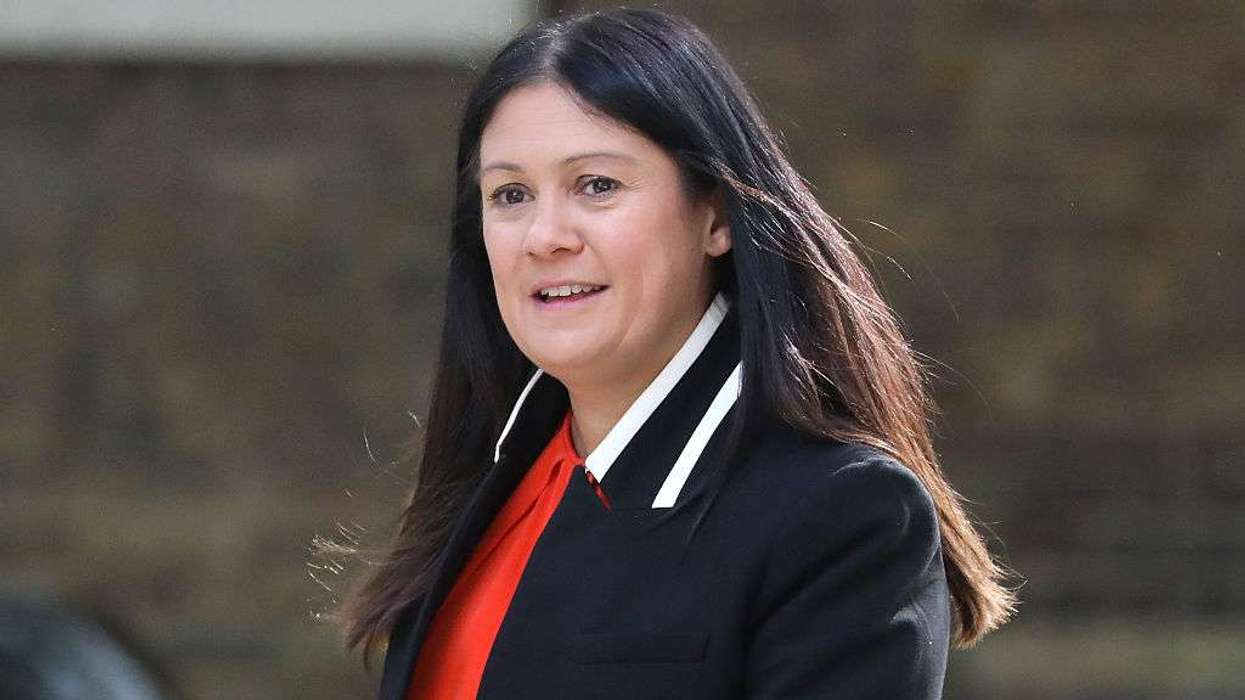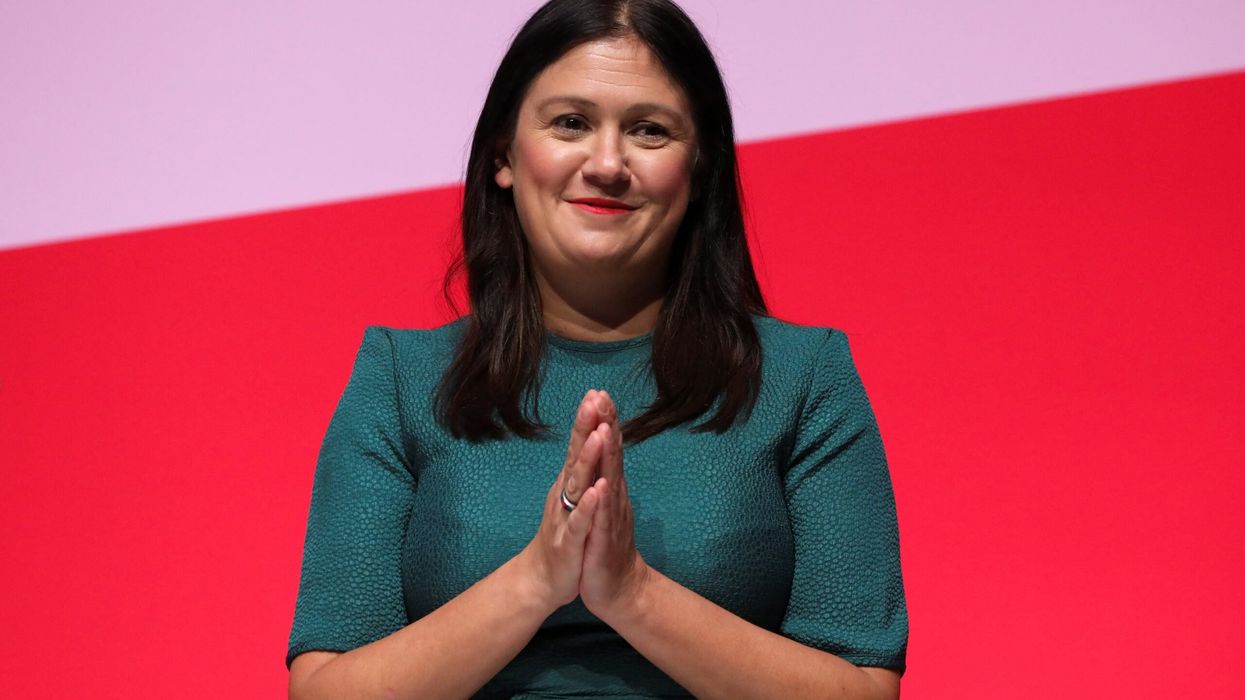

CULTURE SECRETARY Lisa Nandy has unveiled a tax relief package to boost the UK’s film and creative industries, which she said would pay dividends both culturally and economically.
The Independent Film Tax Credit (IFTC) comes as the annual BFI London Film Festival got underway in London and will mean that for the first time productions with a budget of up to £15 million will be eligible for a relief of 53 per cent on qualifying expenditure.
Films with a budget of up to £23.5m are also eligible for the IFTC, with the relief structured in a tapered manner.
“The UK’s first-class independent filmmakers have a track record of creating cult classics and surprise hits that are enjoyed by millions. Their films showcase British culture and creativity to the world while also supporting thousands of jobs and driving economic growth in all parts of the UK,” said Nandy.
“These reliefs will pay dividends both culturally and economically, inspire the next generation of talent across the country, deliver more great British content, and sustain a world-leading industry here in the UK."
According to her department’s estimates, the country’s creative industries generate £125 billion a year, with the UK film sector worth £1.36bn and employing more than 195,000 people.
With a vision to cultivate more distinctly home-grown content and talent, films must have a UK writer or director or be certified as an official UK co-production to meet the criteria for the new tax relief.
“The creative industries are a crucial part of our economy, and this change will help strengthen them further. By supporting growth in this vibrant sector, we can create jobs and continue to show Britain at its best around the world,” said UK chancellor Rachel Reeves.
Productions qualifying for this new relief must have started principal photography on or after April 1 this year, and only expenditure incurred on or after that date can be claimed.
The statutory instruments related to IFTC will take effect from October 30, which is the date from which the British Film Institute (BFI) certification unit can begin accepting applications.
“This is great news for UK film and is already having a positive impact across our industry. More films can now be made in the UK that audiences at home and internationally will get to enjoy,” said BFI chief executive Ben Roberts.
“Independent filmmaking is vital to our cultural expression and creativity, it builds careers for talent in front of and behind the camera, and also showcases UK creative excellence on a world stage. We’re grateful to the government, the DCMS and the industry for working together to establish this transformative tax relief uplift where it is most needed."
After a challenging few years with the Covid pandemic and Hollywood writers’ strikes, the UK film industry looks poised for growth. Tax incentives for British film, first introduced in 2007, helped to bring the production of blockbusters to the UK and now the government is ambitious to grow it even further.
According to the culture department, while major film production has flourished, smaller independent films have not received sufficient support. The tax credits uplift announced this week are designed to help the independent film sector reach its full potential, creating jobs and contributing to driving economic growth across the country.
“The speed with which the government has turned this around shows how vital this intervention is for independent film. It will have a game-changing impact across the whole UK screen sector – creatively and economically,” added BFI chair Jay Hunt.
(PTI)