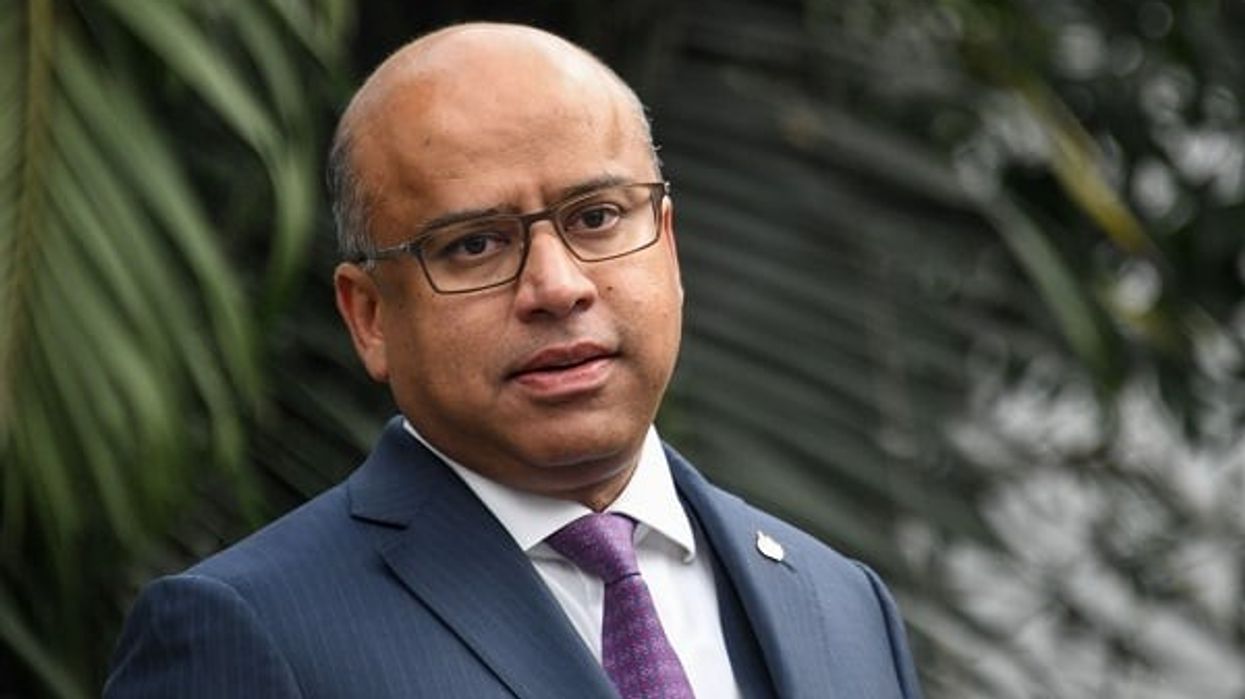

STEEL magnate Sanjeev Gupta’s GFG Alliance on Monday (28) replaced Liberty Steel UK’s chief executive Jon Ferriman, as part of the company’s restructuring process.
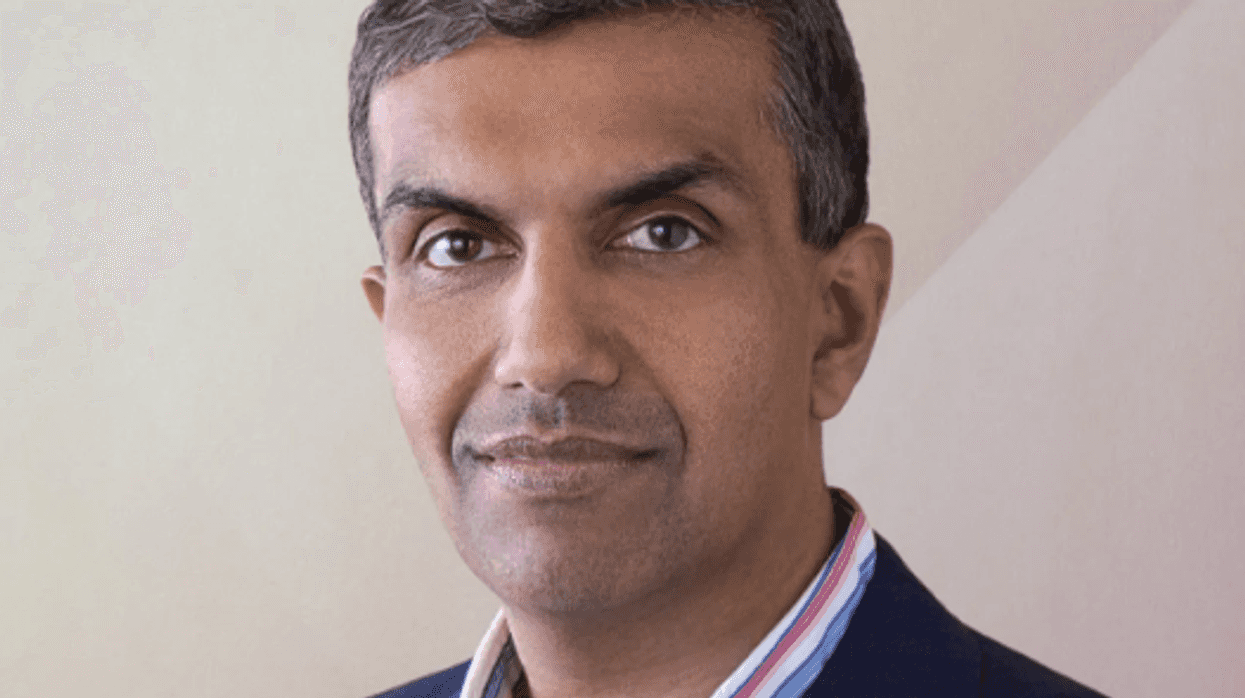
Liberty Steel’s new boss is Roy Chowdhury, an industry veteran who joins from outside the business.
Ferriman headed the company 13 months ago. He previously held roles at Tata Steel UK, Corus and British Steel.
Besides, the company is exploring the possible sale of Liberty Steel’s UK engineering business.
Liberty Steel is one of the leading steel producers in the UK, employing about 3,000 people across the country.
The recent moves are part of a wider reform of the business, which has been scrambling for cash after the collapse of its main financier Greensill Capital in March.
Greensill’s burst triggered intense scrutiny of GFG’s business practices, prompting a Serious Fraud Office (SFO) probe and the firm to announce a new restructuring committee.
As per the committee’s recently announced plan, Liberty Steel will focus on its Australian and European operations, as well as a consolidated UK operation.
The conglomerate has already announced the sale of speciality business in Stocksbridge, which makes alloys for the aerospace industry.
Now it said the group was working with consultants Alvarez & Marsal to identify new owners for its engineering division, which owns four sites and employs around 500 people in the Midlands.
The restructuring moves follow a six-week standstill agreement reached last week between the GFG and Credit Suisse over its Australian steel business.
The group said that this moratorium would give it the time to fully refinance operations at the Liberty Primary Metals Australia.