
For Men’s Health Week 2026, UK-based charity Lepra is shining a light on the men who have overcome the physical, social and emotional impact of a leprosy diagnosis, to go on to become community volunteers, and help challenge the myths and misinformation that surround this neglected tropical disease.
As we approach Men’s Health Week (15-21 June 2026), Lepra is sharing a series of real-life stories from the community volunteers in the Indian state of Bihar, who are helping to improve detection and treatment rates in the most endemic areas. Men like 45-year-old Sarwan from the Jamui District who kept his leprosy symptoms hidden for over a decade, even from family, due to fearing rejection and exclusion.
Although leprosy is curable, profound prejudice surrounds the disease and discrimination persists. These factors drive social isolation, restrict access to public services, and severely impact the overall wellbeing of people affected.
India accounts for about 60% of all new leprosy cases globally, with over 100,000 new cases detected annually. In total, an estimated two million people in India are living with long-term disabilities and health issues resulting from the disease.
When Lepra staff visited Sarwan’s village, they noticed discoloured patches on his skin and ulcers on his feet. He was encouraged to attend a local health care centre where he was diagnosed with leprosy. There he began a 12-month course of multidrug therapy which prevents transmission after the first dose.
Sarwan attended a community group where he learnt self-care techniques to heal his ulcers and was issued with custom-made protective footwear to prevent further injuries. With ongoing emotional support, Sarwan felt able to disclose his diagnosis to family and friends. With advice and awareness, they were accepting of his condition and he in turn regained self-confidence and no longer feared exclusion.
By meeting other people affected by leprosy, Sarwan eventually developed the confidence to share his story to inspire others to come forward to treatment. He is now a peer supporter, identifying community members with symptoms and referring them to a health care centre.
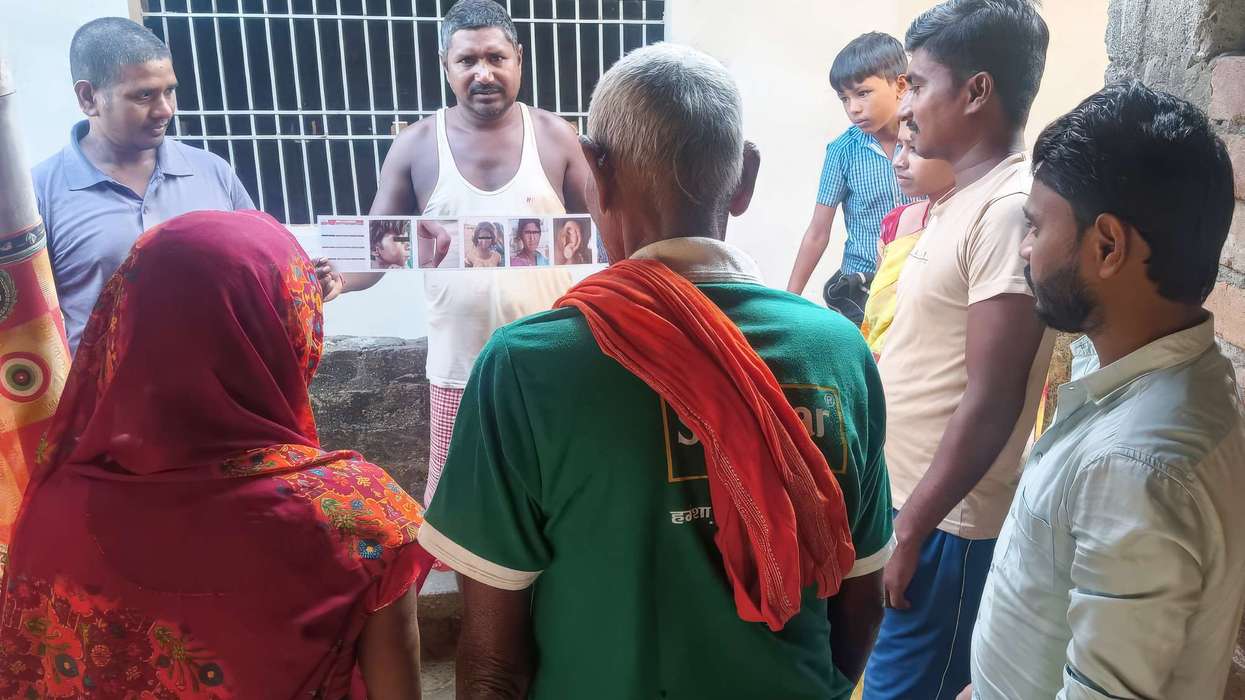
To raise awareness of leprosy symptoms in his community, Sarwan uses Lepra’s newly developed pocket-sized health cards featuring simple visuals and messages which explain leprosy symptoms in a culturally appropriate way.
The cards can help people recognise early signs of the disease such as discoloured skin patches, muscle weakness and painless sores on the soles of the feet.
By encouraging dialogue, villagers ask questions and clarify doubts about leprosy; helping to reduce misinformation and stigma.
Lepra’s ASPIRE project in partnership with global health charity Effect Hope issues the cards to community volunteers and health workers. It also uses them to raise awareness in the wider community such as schools and workplaces.
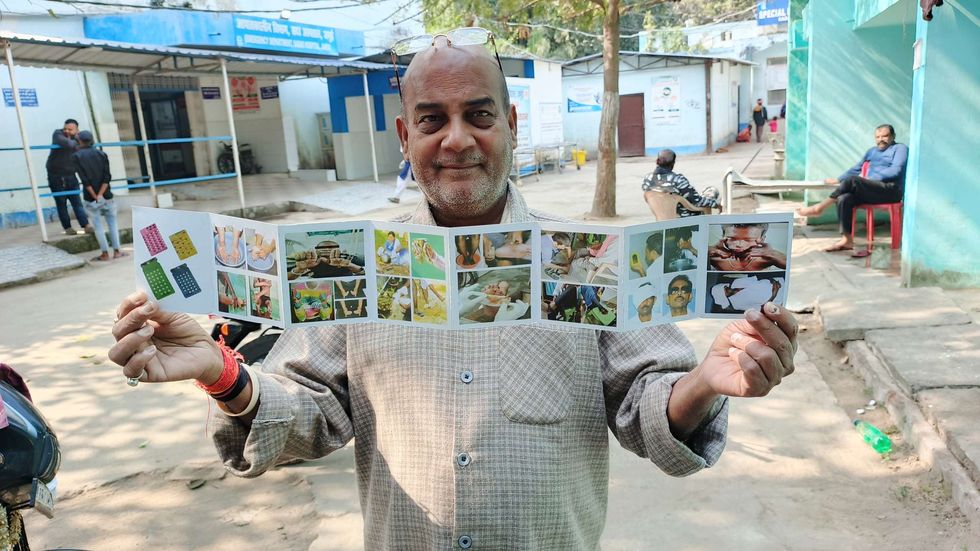 Lepra Society’s State Coordinator, Rajni Kant Singh holds a health card showing leprosy symptomsLepra
Sarwan’s efforts have significantly helped to improve community awareness of symptoms and treatment which led to an increase in early case detection.
“I used to hide my symptoms in fear. Now, I help others speak up. Leprosy is not a curse - it's curable. I learned that because someone cared enough to educate me.”
For more information on Lepra’s work visit www.lepra.org.uk