
Kapil Sharma has always been known for his wit and charm, but this time, it's his appearance that's making headlines. The comedian was recently spotted at Mumbai airport looking much leaner than before, and social media hasn’t stopped buzzing since.
Dressed in a simple grey co-ord set and sneakers, Kapil’s new frame didn’t go unnoticed. While some fans praised his fit look, others were taken aback by how quickly he seemed to have dropped the weight. Comments poured in, ranging from admiration to confusion, with many asking the same thing: “What’s his secret?”
The most common theory floating online? Ozempic.
Ozempic, a diabetes medication that has gained popularity for its weight loss side effects, is fast becoming Bollywood’s new buzzword. Kapil’s visible transformation led to immediate comparisons with Karan Johar, who recently stunned fans with his own weight loss. One user even commented, “First Karan, now Kapil. Is this Bollywood’s new thing?”
While there’s no confirmation on whether Kapil has used Ozempic, the speculation has reignited a larger conversation: why are so many celebrities suddenly losing weight at the same time? Some netizens believe it could be due to new film roles or personal health goals. Others are sceptical, pointing out how quickly these transformations are happening.
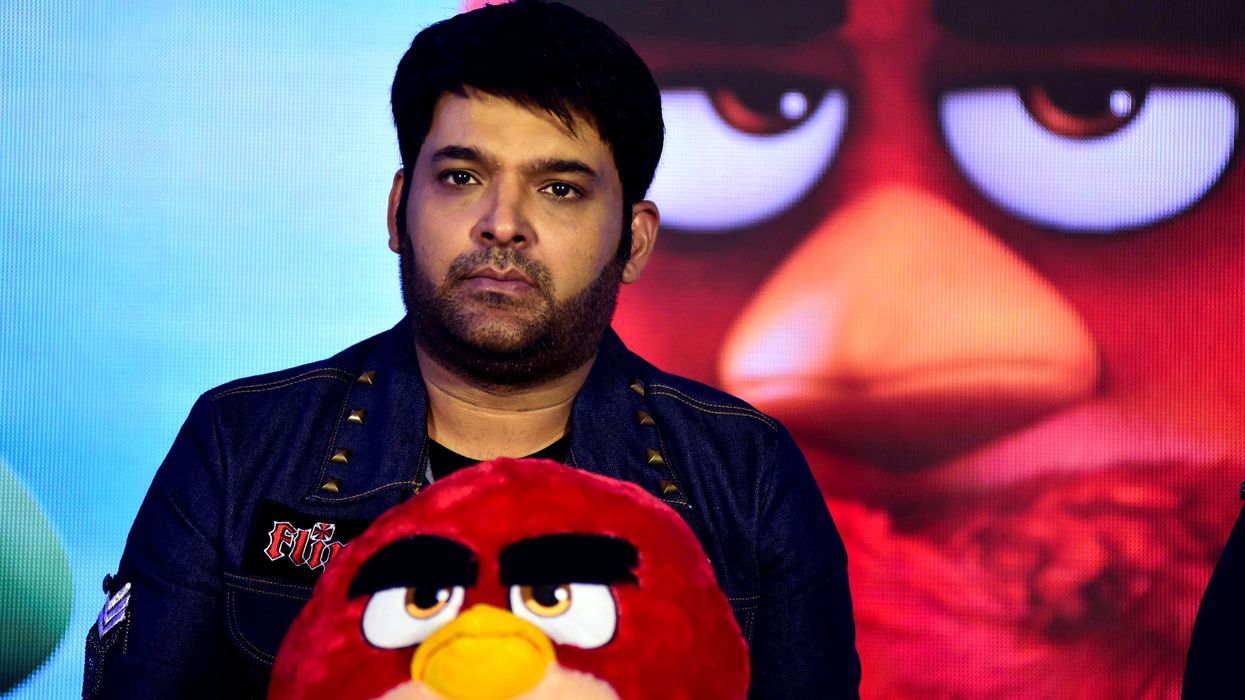 Kapil Sharma in a previous appearance before his recent dramatic transformation caught public attentionGetty Images
This isn’t Kapil’s first physical makeover either. His weight has fluctuated over the years, but this shift seems more dramatic. Fans have raised both concern and curiosity, with a few even wondering if he’s unwell.
Amid all this chatter, Kapil recently shared the poster for his upcoming film Kis Kisko Pyaar Karoon 2, where he reprises his role from the 2015 hit. Directed by Anukalp Goswami and produced by Abbas-Mustan, the sequel promises more chaos, comedy, and a twist in the tale.
For now, Kapil remains tight-lipped about what’s behind his transformation. Whether it’s lifestyle changes, professional commitments, or something else entirely, his new look has got everyone talking and guessing.
As celebrity fitness trends become more public and sometimes questionable, it’s clear that fans are watching closely not just the performances, but the people behind them too.