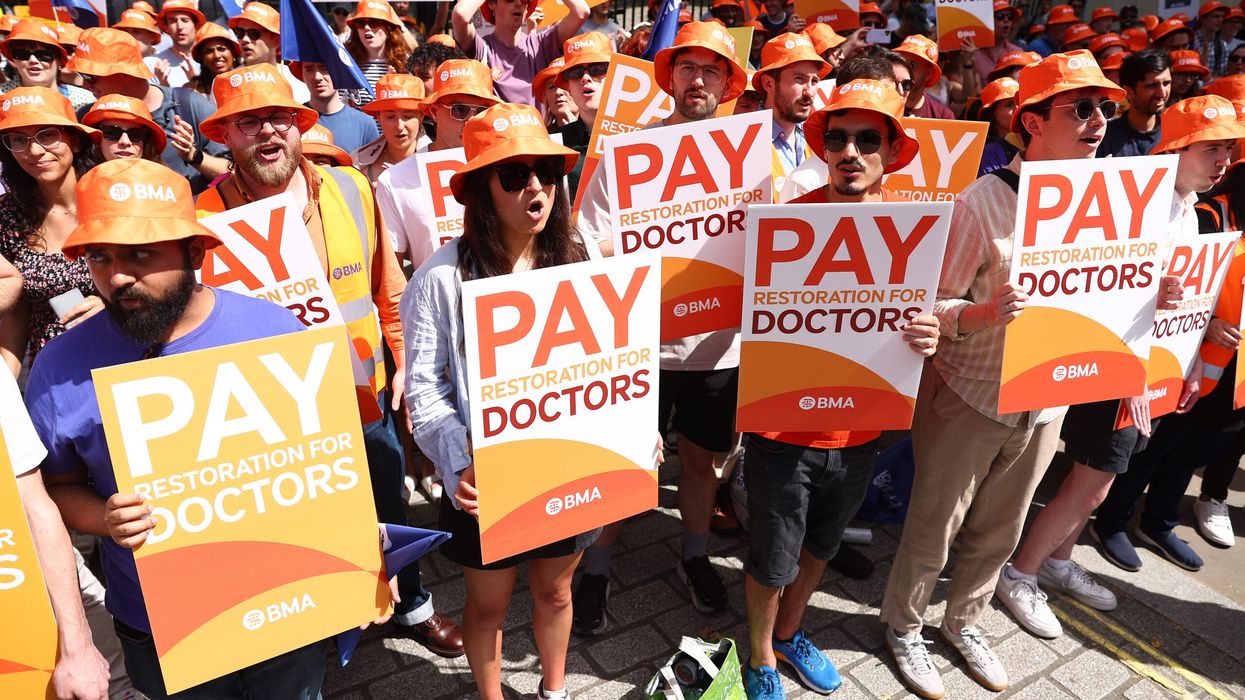

The Labour government and the union representing junior doctors announced on Monday that they have reached an agreement offering a significant pay rise to end the recent strikes.
The British Medical Association (BMA) stated that it will present the offer to its members and has recommended that they vote in favour of it.
If approved, this agreement would resolve the long-standing dispute over wages, which led to several strikes, including the longest walkout in the seven-decade history of Britain’s National Health Service (NHS), lasting six days.
Junior doctors in England, those below specialist and consultant levels, had been seeking a 35 per cent "pay restoration."
While the new offer does not meet this demand, the BMA indicated that the average pay increase for junior doctors over the two years of the dispute would be 22.3 per cent.
"This offer does not fully restore the pay lost by junior doctors over the last decade and a half," the union said.
However, the union acknowledged that "it should never have taken so long to get here" and described the package as "a good step forward for our profession, with more work still needed in the future."
Since taking office in July, the centre-left Labour government has been focused on resolving long-standing industrial disputes caused by rising inflation, which plagued the previous Conservative administration.
In addition to doctors, the government has reopened negotiations with railway workers.
Chancellor Rachel Reeves described the agreement as "the start of a new relationship" between the government and healthcare staff.
Labour has prioritised addressing the challenges facing the NHS, pledging to reduce the significant backlogs in waiting times for appointments and surgeries and to address the departure of professionals from the service.
(With inputs from AFP)





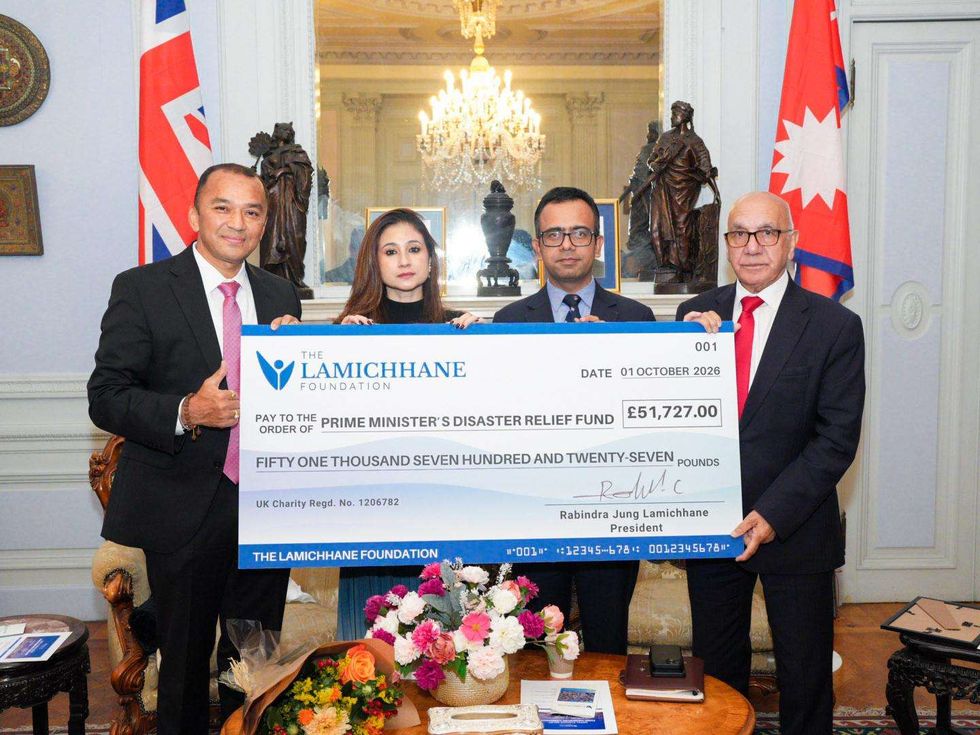 At a special ceremony at the embassy, Lamichhane presented the cheque to Bipin Duwadi, Chargé d'Affaires at the Nepalese EmbassyEastern Eye