
Highlights:
- Lahore-based alt-jazz band fuses South Asian classical, jazz, and hip-hop.
- Sarangi virtuoso Zohaib brings centuries-old tradition into modern grooves.
- UK debut at Union Chapel won over South Asian diaspora audiences.
- Barbican show promises richer textures, extended improvisation, and cinematic moments.
- Collaboration with legends like Ustad Noor Bakhsh bridges generations and heritage.
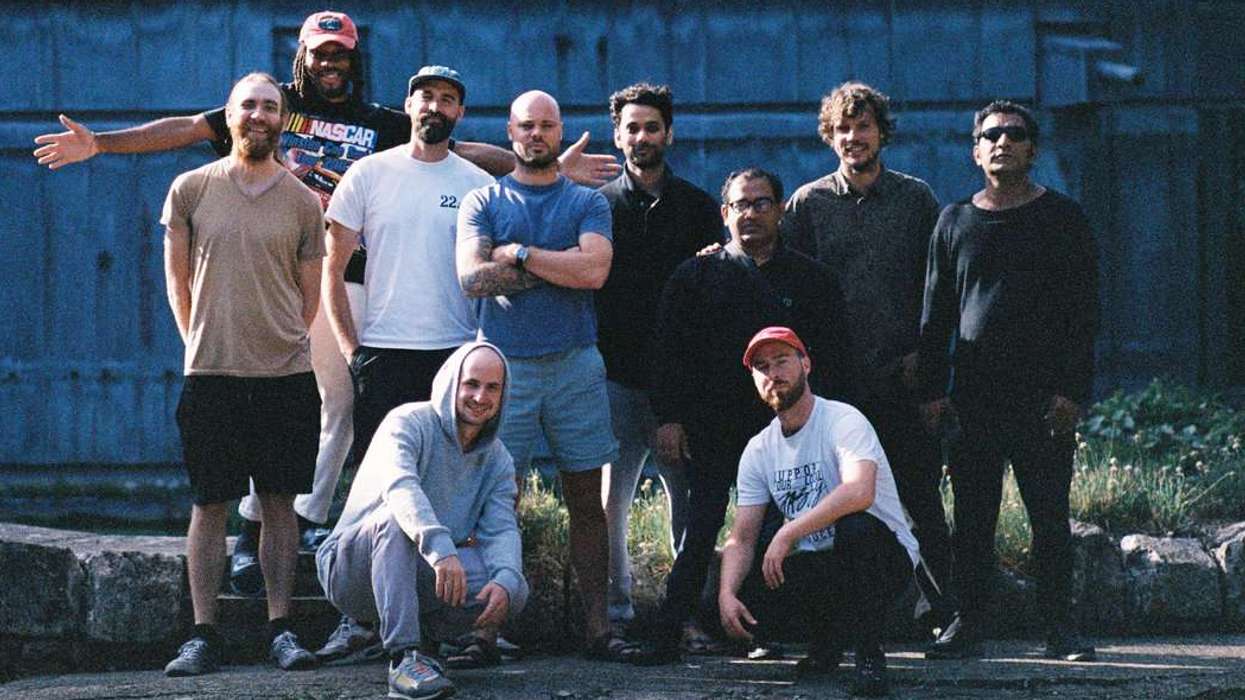
Let's get one thing straight: you can't pin Jaubi's sound down. It's a mash-up, sure: Hindustani classical rhythms, the freefall of jazz, hip-hop's grounding beat. But for them, it's never about genre. It's all gut feeling. Speaking exclusively to Eastern Eye ahead of their Barbican show on 3 October, the Lahore-based band opened up about their philosophy, their roots, and why improvisation feels like a conversation, not a performance.
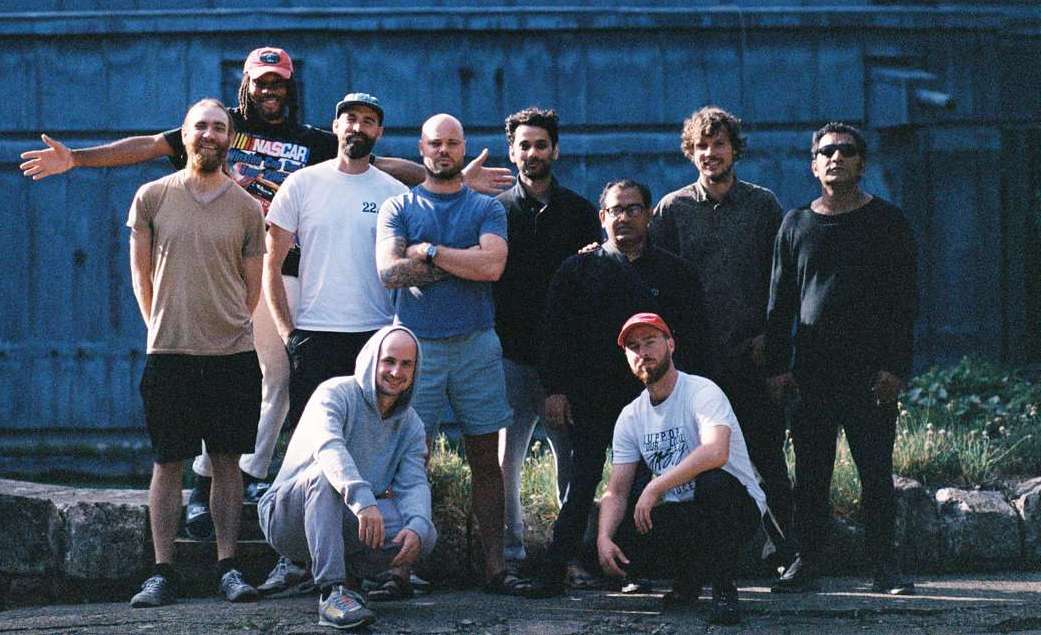 Jaubi: Lahore’s alt-jazz rebels take the UK stage www.easterneye.biz
Why “whatever” is more than a name, it’s their musical philosophy
It all starts with the name: Jaubi. It's Urdu for "whatever." Or "whoever."
"It's a philosophy," they say. "It means that when we sit down to create, we're not thinking, this has to be jazz, or this needs to sound like traditional South Asian classical music. We're just expressing what feels true in that moment." In an industry that feeds on neat boxes, that's not just a name; it's a rebellion.
This philosophy manifests in a sound that connects cosmic dots. It's the yearning of John Coltrane crashing into the beat science of J Dilla and the narrative flow of Nas. At its heart is the soulful cry of the sarangi, played by Zohaib, a seventh-generation carrier of that rare lineage.
So how do you honour centuries of tradition while plugging it into a modern context?
"We're conscious of honouring the tradition," they explain. The goal isn't forced modernisation. "The goal isn't to modernise the sarangi, but to create a dialogue between past and present, showing it can exist alongside a bassline or drum loop without losing its soul. In that way, the tradition is protected by being kept alive and relevant, not locked away."
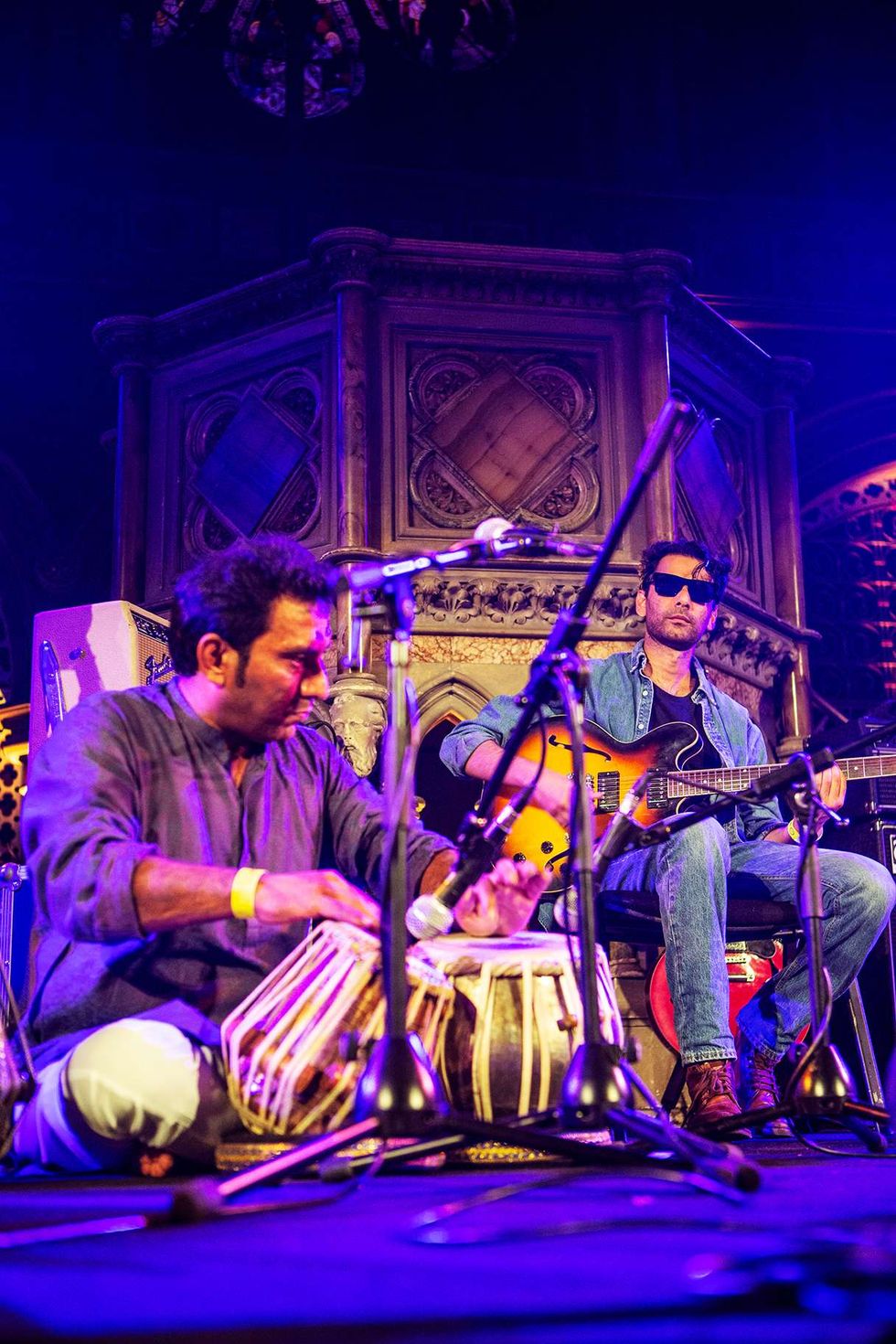 Jaubi brings centuries-old sarangi to modern beats
The intimate, human centre of Nafs at Peace
This dialogue is captured perfectly on their album Nafs at Peace. The album cover, a photo of Ali Riaz Baqar's mother praying, is its intimate, human centre. The title track sonically maps an inner journey. "It begins sparse and unsettled—loose rhythms, open spaces, almost like a mind in turmoil... By the end, everything locks together in harmony. It's not triumphant, but a calm and quiet resolution."
This raw, honest sound wasn't lab-grown. Their seminal session with UK jazz figure Tenderlonious and pianist Marek Pędziwiatr was a one-day, improvised gamble.
 Jaubi: the band proving South Asian music can break every rule
"We weren't sure how these worlds would meet: Marek's piano, Tenderlonious' sax, our tabla, guitar, and sarangi." The initial anxiety was palpable. But then, the first notes. A response. An instinctive conversation began. "About halfway through the day, we hit a deep groove, a moment where everyone locked in and that's when we knew it was working. From there, the sessions flowed effortlessly."
For Jaubi, the path of a song is never pre-destined. "The melody always leads for us and everything else builds around it," they say of their writing process. "When I write, I usually start with a melodic idea... From there, the vibe naturally takes shape. We never force it into a category but we just follow where the melody wants to go."
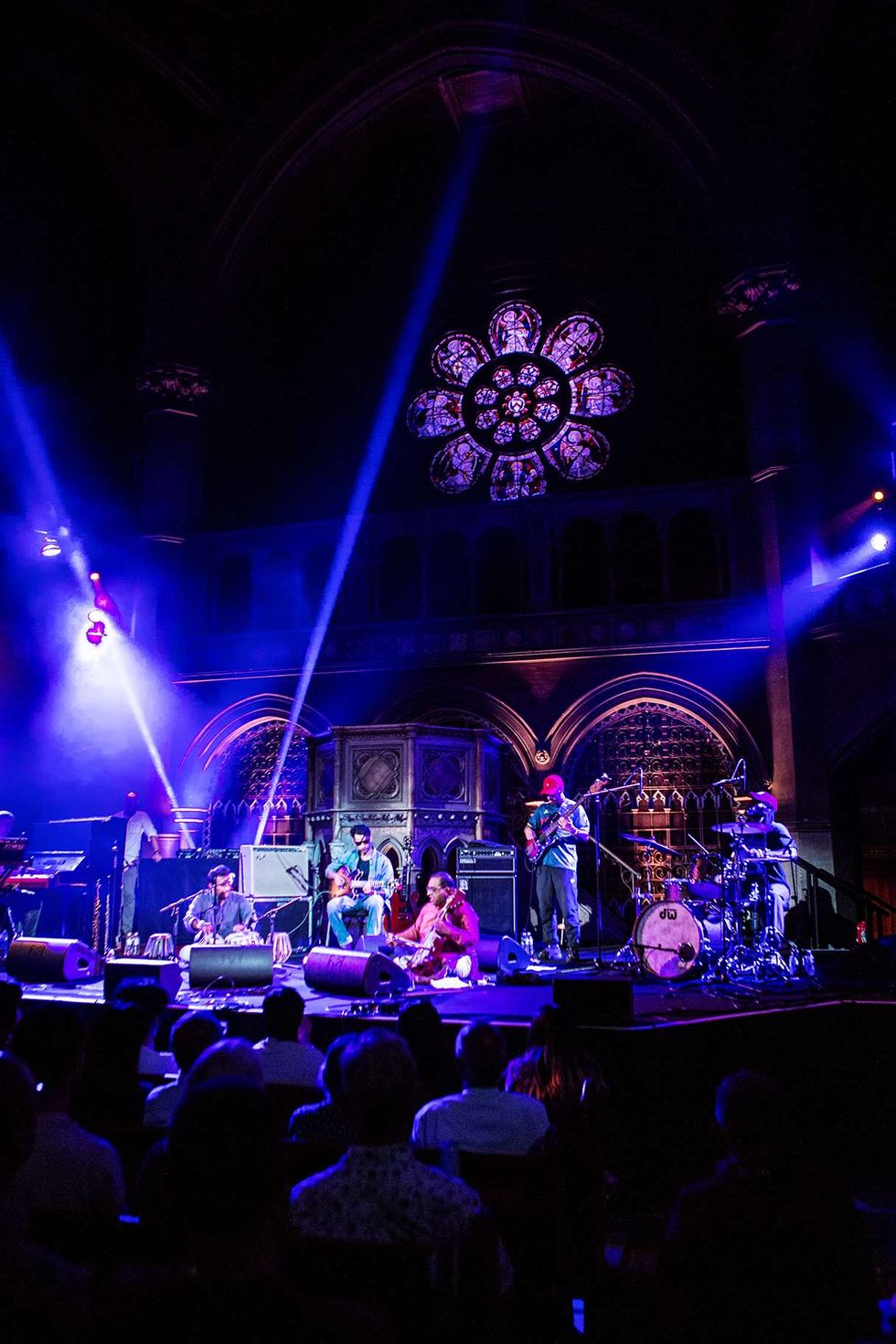 Lahore’s sound goes global with Jaubi’s improvisation
Finding a sense of pride in heritage
This 'whatever' philosophy is resonating powerfully far from home. Nobody knew how their UK debut at Union Chapel would go over. But the reaction? It cracked the place open. "The response was overwhelming, particularly from the South Asian diaspora. Many people came up after the show saying it felt like hearing the sounds of their childhood reimagined in a new way." One conversation crystallised their mission: "Someone who said they'd never seen the sarangi on a stage like that before. They felt proud and emotional, like their heritage was being celebrated rather than just preserved."
Now, they're preparing for the Barbican. "We are expanding the live setup with richer textures, more percussion, deeper bass, and space for extended improvisation. It will feel bigger and more immersive, almost cinematic at times." The moment they want to etch into memory? "If there is one moment I hope people carry with them, it is A Sound Heart. When we play it live, there is a point where everything aligns, and you can feel the whole room breathing with the music."
Sharing the bill with legends like Ustad Noor Bakhsh and Amrit Kaur is a lesson in itself. "Playing alongside them feels like being part of a living tradition… What we take away most is their sense of presence. They do not rush, they let the music breathe. It reminds us to listen closely and to focus on expression rather than complexity."
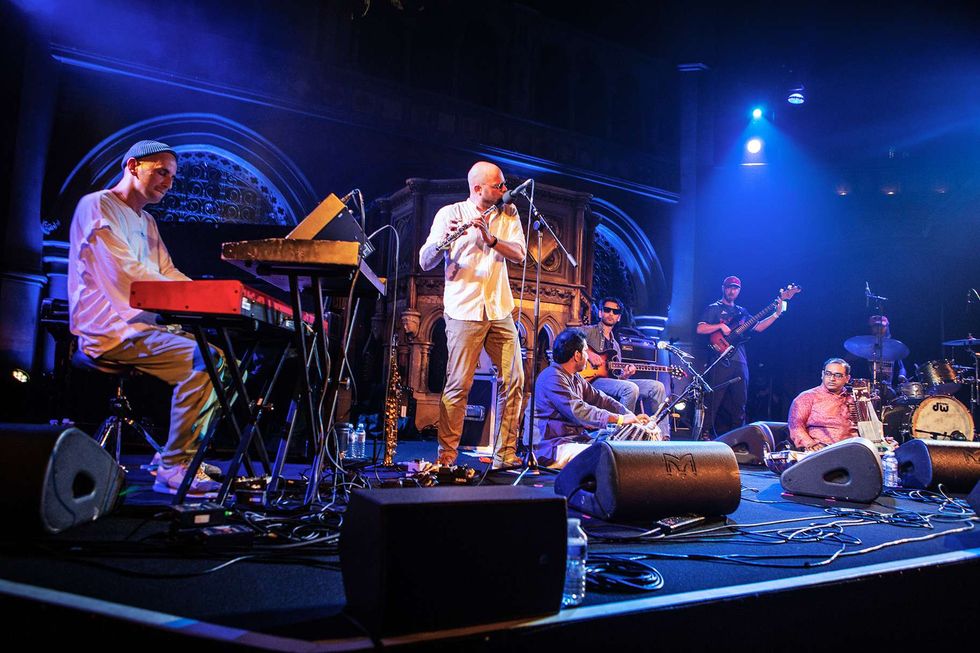 Jaubi: redefining South Asian music, one note at a time
Looking to the future
This entire journey is rooted in Lahore, a city they describe as "alive with sound right now," pointing to a vibrant underground scene and artists like Maanu, Natasha Noorani, and the Mekaal Hasan Band.
Looking ahead, the legacy they want, true to their name is about opening doors. "In the next decade, we hope Jaubi's legacy is about possibility." It always comes back to doors left unlocked. A way for traditions to breathe new air, for jazz maps to include Lahore, and for some kid somewhere to think, "I can do that too."
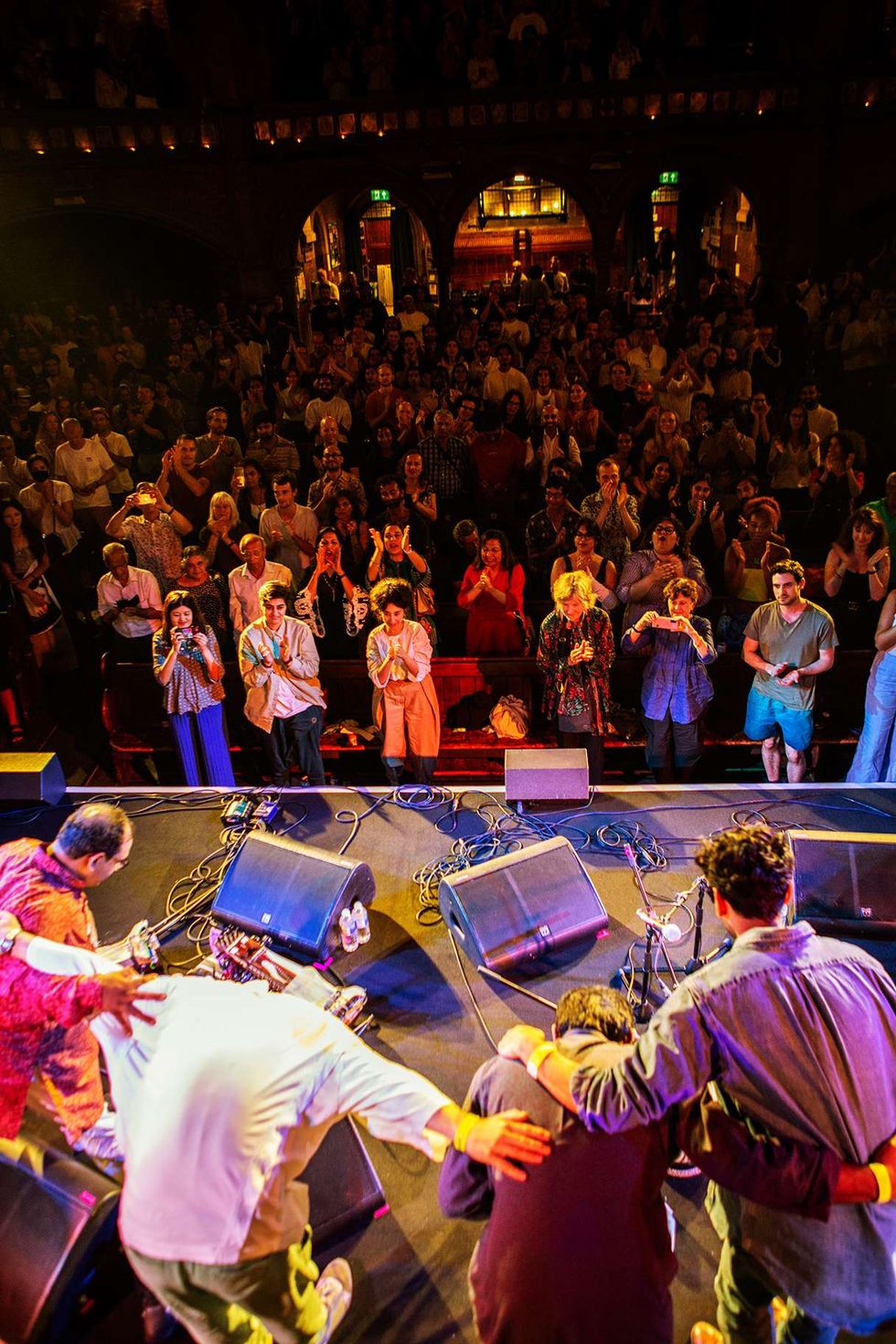 Jaubi’s “whatever” philosophy reshapes musical boundaries
Their final word on it? "We want younger musicians to feel free to experiment, whether they pick up a centuries-old instrument or make beats on a laptop. If our journey inspires even a few people to take risks and create something honest, then we have done our job."
Catch them on 3 October at the Barbican. Listen for the point where it all clicks into place. It's the sound of "whatever" finding its perfect, unforgettable voice.