Skip to content
Search

Latest Stories

Submit Guest Post

Japanese tourist allegedly raped in Kerala beach town

A MAN was arrested today for allegedly raping a Japanese tourist at a popular beach resort in southern India, in the latest case of sexual assault against a visitor.

The 35-year-old woman was found bleeding by hotel staff in the town of Kovalam early this morning and is undergoing treatment at a hospital in the Kerala state capital Thiruvananthapuram.


The woman sustained internal injuries but doctors have declared her out of danger.

Police identified the accused as a 25-year-old whose family runs a handicrafts store in the tourist hotspot.

“He has been sent to judicial custody and we are waiting for the victim to recover to record her full statement,” local police officer Vipin Kumar said.

Japanese officials in New Delhi have been informed about the incident, he said.

The woman came to India two weeks ago and arrived in the beach town yesterday, hours before the alleged assault took place.

It was unclear how the two met, police said.

Add EasternEye As Your Trusted Source
preferred source on google news

More For You

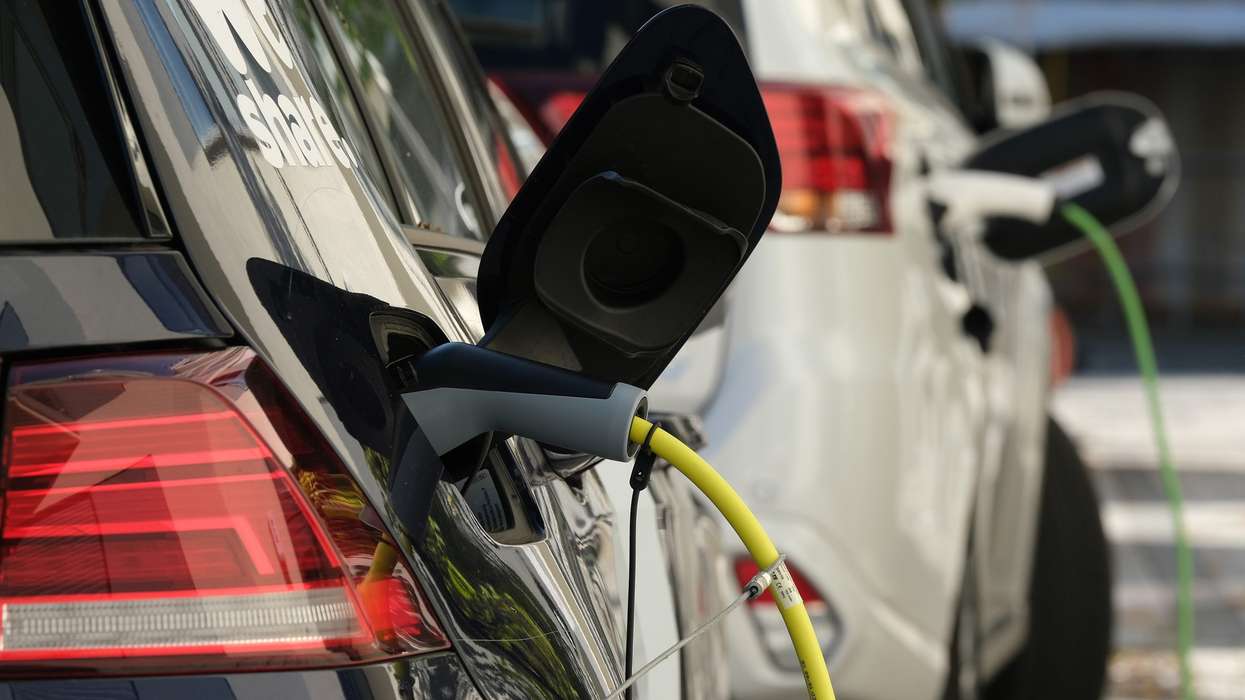
EV pavement gully charging england

New rules aim to make home charging more accessible for electric car drivers who do not have off-street parking

Getty Images

EV drivers without driveways can save £300 on home charging from today

  • Qualifying under-pavement EV charging installations no longer require planning permission, potentially saving drivers up to £300.
  • Drivers without driveways could charge their cars at domestic electricity rates, with the government saying home charging can cost as little as 2p per mile.
  • The government is consulting on further changes to make it easier for tenants and leaseholders to install chargers and to improve charging provision in new buildings.

Electric car drivers who park on the street could save up to £300 on home charger installation under new government rules designed to make charging cheaper and easier.

From today (21), drivers no longer need planning permission for qualifying permanent cables installed beneath pavements to connect their homes to parked electric vehicles. The change is intended to reduce installation costs and remove a barrier for households without driveways.

Keep ReadingShow less