
INDIAN diagnostics company Mylab Discovery Solutions has said that it has the capacity to ramp up production of its at-home Covid-19 test kits to 100 million units per week over the next few months based on demand.
Although at-home tests are widely used outside of India, the authorisation of Mylab's kit earlier this week marked the first such approval in the country, which is in the grip of a fierce second wave of the pandemic that is starting to take a huge toll on its vast rural population.
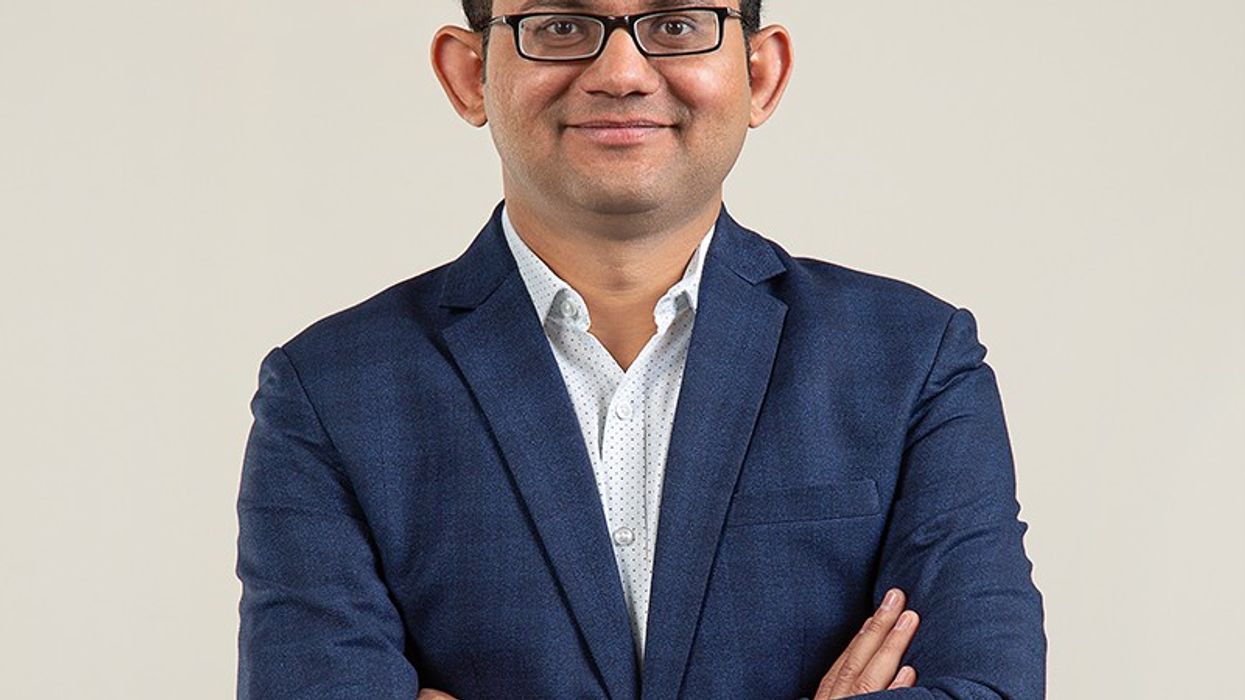
Mylab Chief Executive Officer Rahul Patil told Reuters that the company had received interest from government agencies and companies for its test kits.
"Any individual without any technical expertise can perform the test. And our objective is to make sure it reaches villages as well," Patil said.
In the absence of proper testing in India's countryside, experts have said infections and deaths in the country may be five to 10 times higher than official estimates.
India tested 2 million people for Covid-19 on Thursday (20) and recorded 259,551 infections in a day.
The company, backed by Adar Poonawalla, CEO of vaccine maker Serum Institute of India, plans to start shipping the product within a few days, with the aim of producing 7m kits next week.
The company can raise the weekly production to 10 million in the next two weeks and has the capacity to hit the 100 million mark, depending on demand over the following four to six weeks, Patil said.
Mylab's antigen test, "CoviSelf", is different from molecular PCR tests, which need a laboratory to compute results and are considered to be more accurate.
Antigen tests are known to produce more false-negatives, so people with Covid-19 symptoms that had negative results might need to get re-tested with a molecular test.