Skip to content
Search

Latest Stories

Submit Guest Post

India's Forex reserves hit record at $476 billion

India's foreign exchange reserves inched up by $29 million to a fresh lifetime high of $476.122 billion in the week to February 21.

Increase in the value of gold holdings has fuelled the hike, India's central bank data showed on Friday (28).


The forex kitty had zoomed by $3 billion to $476.092 billion in the previous reporting week, Reserve Bank said.

Foreign currency assets, a major component of the overall reserves, fell by $490 million to $441.458 billion in the reporting week, ending a multi-week surge.

Expressed in dollar terms, the foreign currency assets include the effect of appreciation or depreciation of non-US units like the euro, pound and yen held in the foreign exchange reserves.

The value of the gold reserves rose for the second consecutive week, climbing $539 million to $29.662 billion, the apex bank said.

The special drawing rights with the International Monetary Fund (IMF) dipped by $4 million to $1.426 billion.

The country's reserve position with the Fund also declined by $15 million to $3.575 billion, the data showed.


Add EasternEye As Your Trusted Source
preferred source on google news

More For You

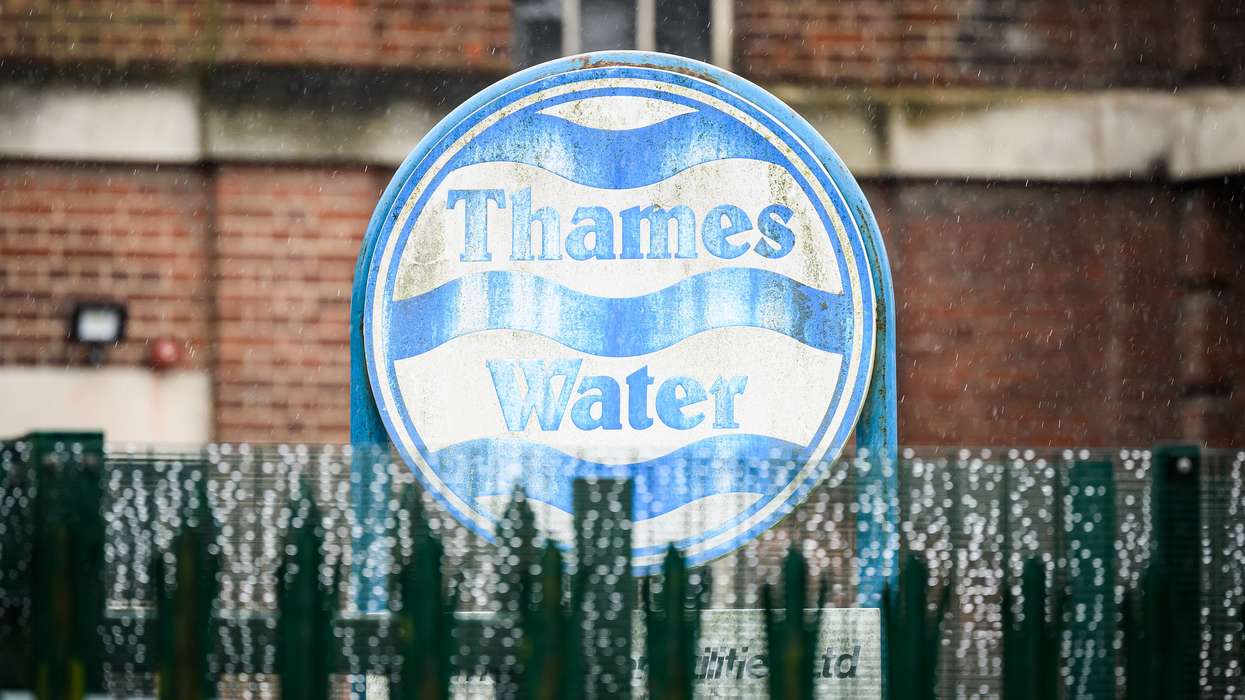
Thames Water

Thames Water is facing a fresh battle over who should take control of its financially troubled business

Getty Images

Could Thames Water’s £10bn rescue deal leave Britain with an even bigger problem?

  • MPs want the government to reject a £10bn rescue proposal from Thames Water’s creditors.
  • The company has more than £20bn of debt and serves around 16 million customers.
  • The EFRA Committee says Thames Water is trapped in a “doom loop” and wants stronger powers for earlier government intervention.

The Environment, Food and Rural Affairs (EFRA) Committee has urged the government to reject a £10bn restructuring proposal from London & Valley Water, a consortium of more than 100 Thames Water creditors.

The committee said the proposal did not have “the interests of the public, the company or the environment at heart”, arguing that the consortium’s priority appeared to be extracting immediate value rather than securing Thames Water’s long-term future.

Keep ReadingShow less