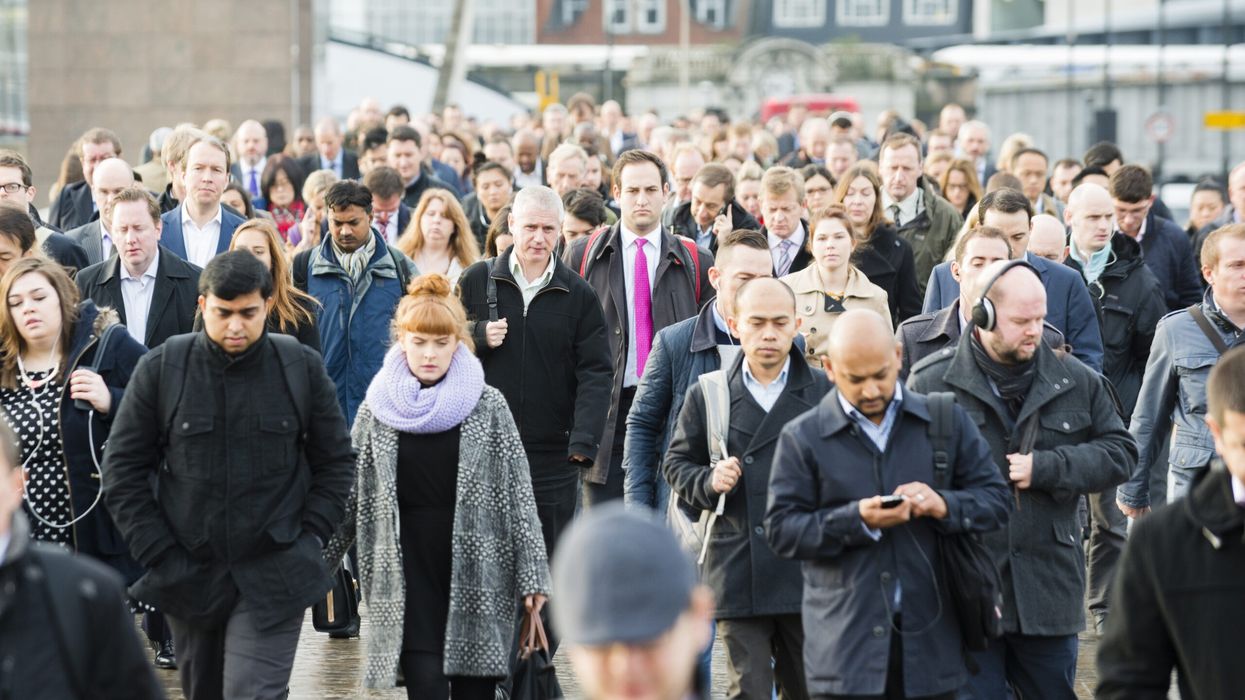

THE UK’s unemployment rate has increased to its highest level in more than four years, official data showed on Tuesday, adding to the country’s economic challenges ahead of the government’s annual budget.
According to the Office for National Statistics (ONS), unemployment rose to 4.8 per cent in the three months to the end of August, the highest since the first half of 2021. This compares with 4.7 per cent recorded in the three months to the end of July.
The figures come as Britain faces weak economic growth and persistently high inflation, about six weeks before the Labour government is due to announce its next tax and spending plans.
“The latest statistics… show some significant cracks are forming in the UK labour market,” said Richard Carter, analyst at investment manager Quilter Cheviot.
“With the budget looming, this is likely to continue. Higher taxes have placed a significant burden on businesses already this year, so they will likely hold off on any major hiring plans until they know with certainty whether any further changes lie ahead,” he added.