Skip to content
Search

Latest Stories

Submit Guest Post

India reports 80 Zika cases, 22 pregnant women

India has reported an outbreak of the Zika virus with 80 confirmed cases since last month including 22 pregnant women in the western state of Rajasthan, officials said on Wednesday (17).

India, where the Aedes aegypti mosquito which carries Zika and other viruses is widely prevalent, reported its first Zika cases in January 2017 in neighbouring Gujarat.


Since Zika erupted on a large scale in 2015, more than 1.5 million people in more than 70 countries have been infected, with most in South America.

In rare cases, if pregnant women contract the virus their babies can develop brain defects.

In Rajasthan's capital Jaipur, 330 special teams have been spraying and fumigating houses and almost 440,000 people are under surveillance.

"Awareness is key in controlling vector borne diseases. No stone should be left unturned to reach out to the people," Indian health minister J P Nadda said in a statement.

Zika was also detected in the southern Indian state of Tamil Nadu in July 2017. The World Health Organization has said no vaccine is likely to be available until 2020.

(AFP)

Add EasternEye As Your Trusted Source
preferred source on google news

More For You

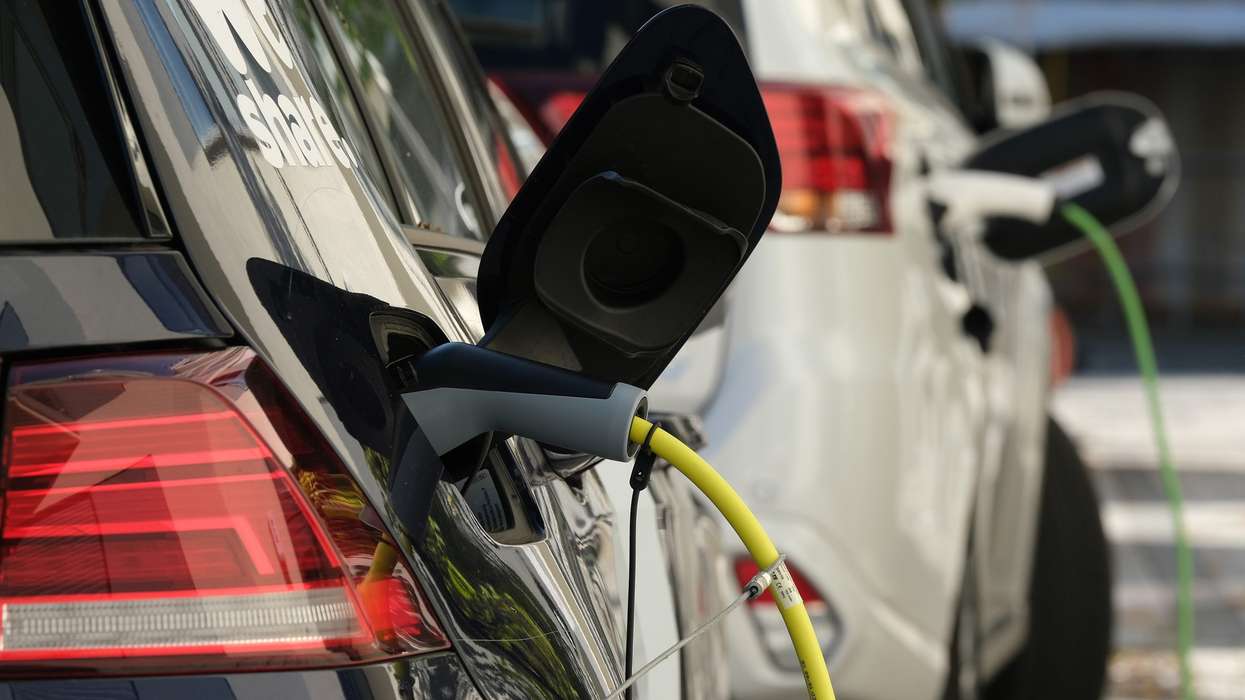
EV pavement gully charging england

New rules aim to make home charging more accessible for electric car drivers who do not have off-street parking

Getty Images

EV drivers without driveways can save £300 on home charging from today

  • Qualifying under-pavement EV charging installations no longer require planning permission, potentially saving drivers up to £300.
  • Drivers without driveways could charge their cars at domestic electricity rates, with the government saying home charging can cost as little as 2p per mile.
  • The government is consulting on further changes to make it easier for tenants and leaseholders to install chargers and to improve charging provision in new buildings.

Electric car drivers who park on the street could save up to £300 on home charger installation under new government rules designed to make charging cheaper and easier.

From today (21), drivers no longer need planning permission for qualifying permanent cables installed beneath pavements to connect their homes to parked electric vehicles. The change is intended to reduce installation costs and remove a barrier for households without driveways.

Keep ReadingShow less