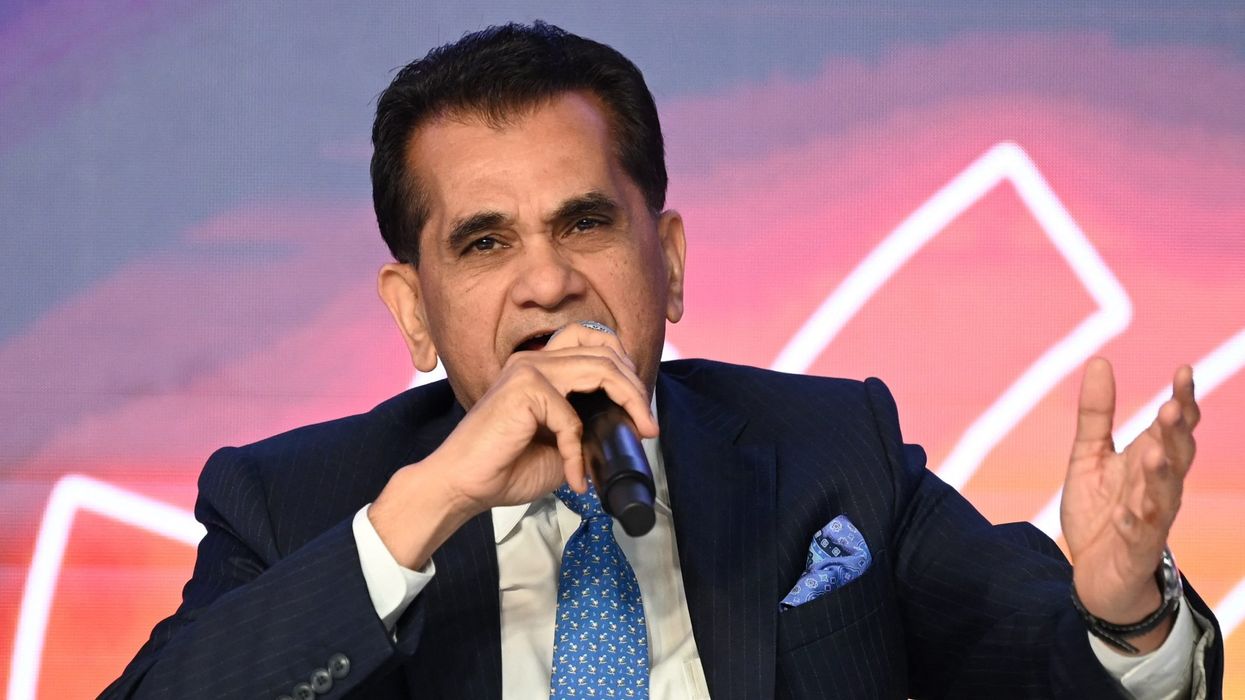

The G20 summit negotiator for India Amitabh Kant expressed the nation's intention to diplomatically persuade G20 member countries towards resolving geopolitical challenges.
In response to a question concerning the Russia-Ukraine war, Kant said on Friday (25) that India seeks amicable solutions. The ongoing conflict, which began in February last year, has deeply impacted global diplomacy.
India, now president of the G20, has taken a mostly neutral stance, generally declining to blame Russia and urging a diplomatic solution.
Speaking at a Business 20 (B20) summit in New Delhi, Kant said the group stood for growth but war created "a huge implication in terms of economics", by bringing challenges regarding food, fuel, and fertiliser.
"The war is not our creation," Kant said. "Our challenge is to put developmental issues right in the forefront."
The G20 summit is set to take place next month.
During the two-day event, India hopes to forge agreement among members on matters ranging from reforms of multilateral banks to developing a global approach on cryptocurrencies.
(Reuters)





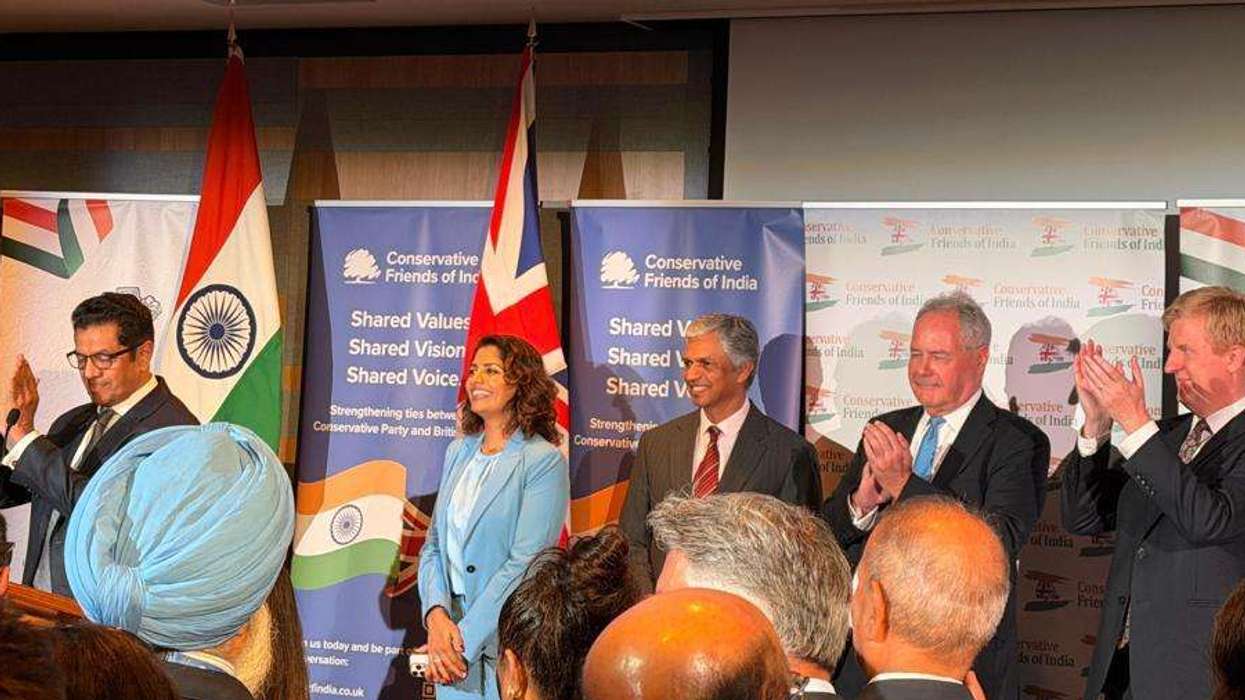
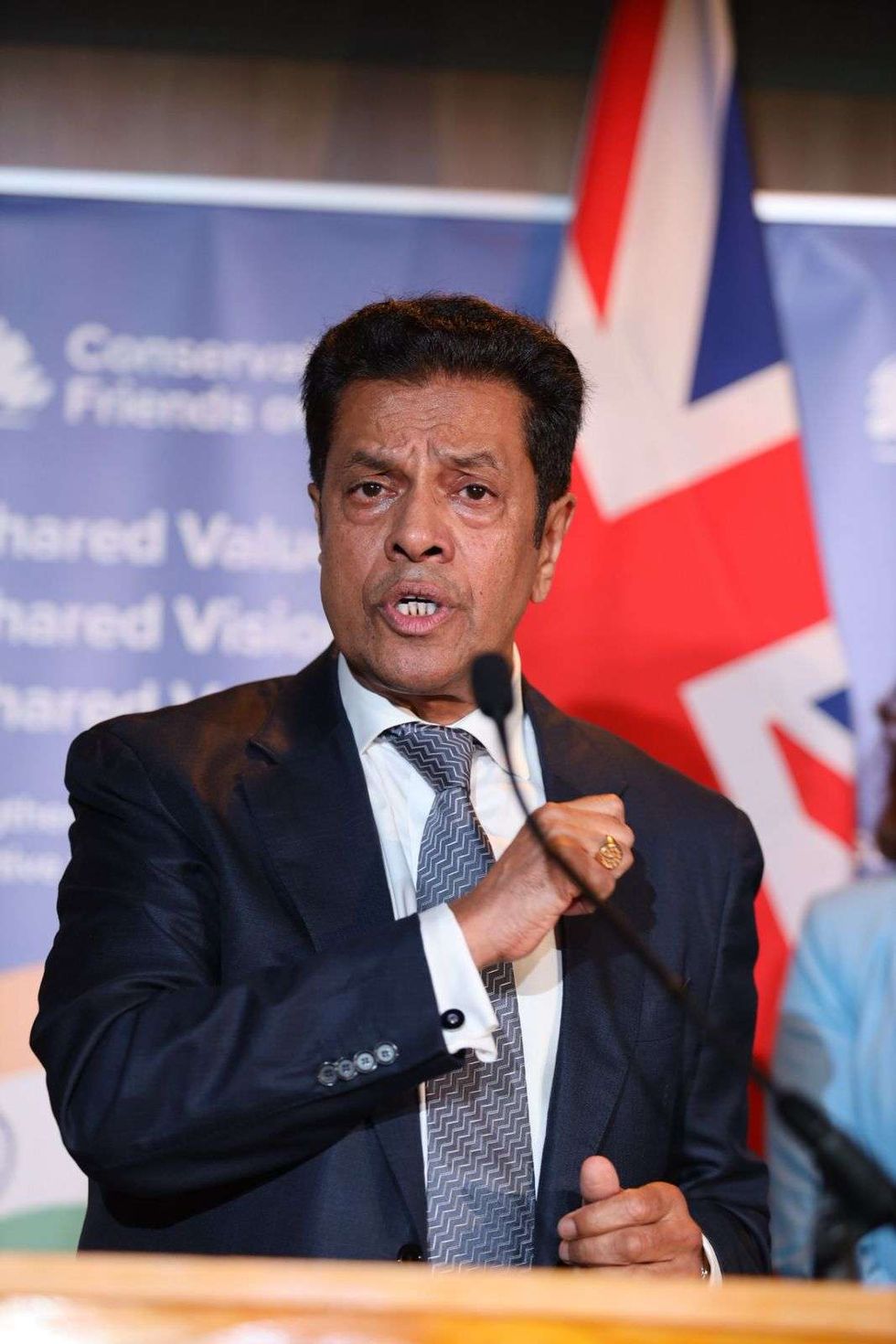 CFIndia co-chair Dr Koolesh Shah CFIndia
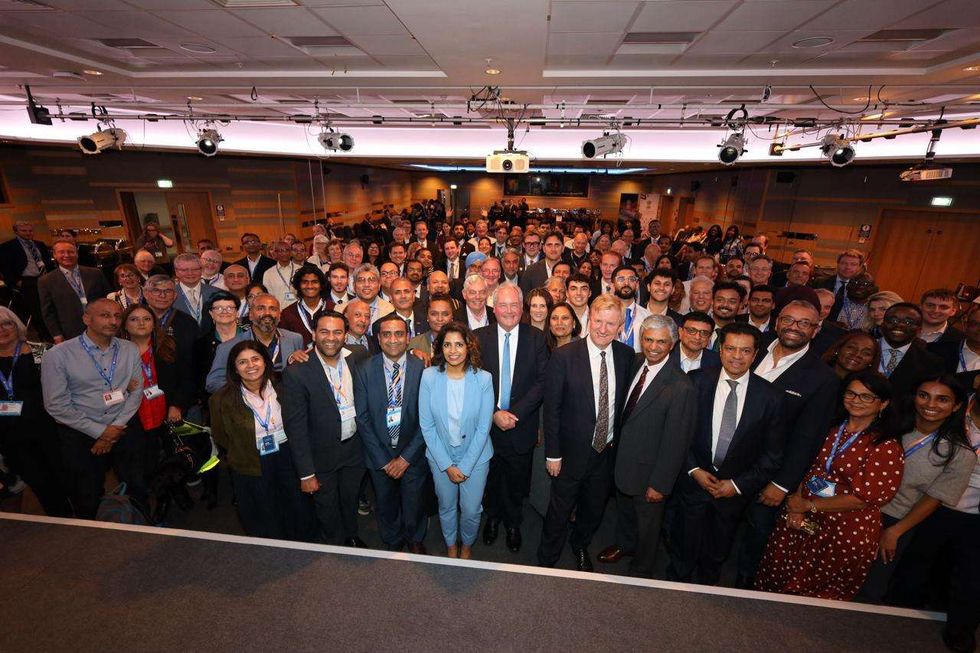 Nearly 500 attended the Conservative Friends of India event.CFIndia
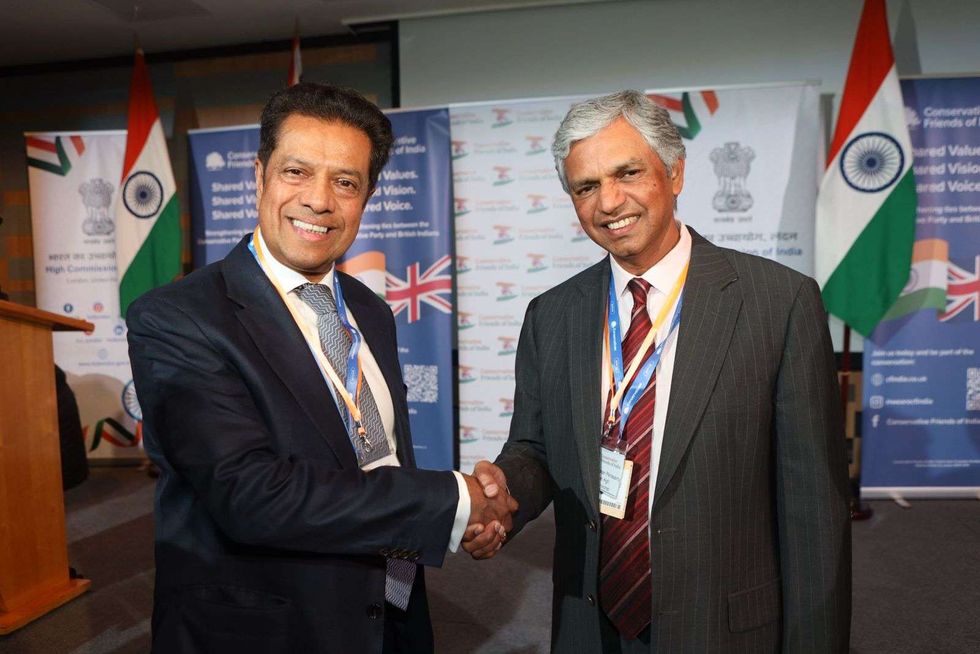 CFIndia co-chair Dr Koolesh Shah with Indian High Commissioner to the UK Kumaran PeriasamyCFIndia

