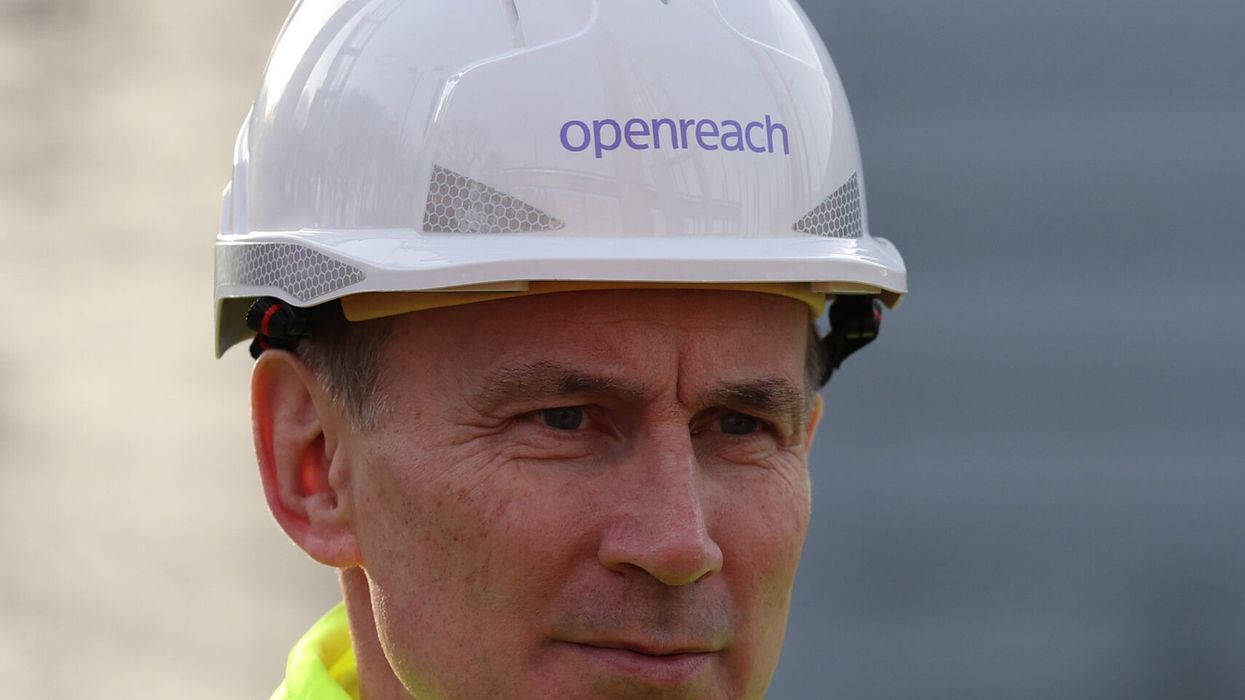

CHANCELLOR Jeremy Hunt said he would use his budget statement in March - possibly his last before a national election expected this year - to boost economic growth and he said tax cuts were part of his plans.
“My priority in the upcoming spring budget will be to build on our progress and go even further to drive economic growth,” Hunt wrote in The Mail on Sunday (21). “Because if we can sustainably grow the economy, we can relieve the pressure on families and generate the revenue necessary to invest in the public services we all rely on.”
Hunt is due to make his showpiece annual fiscal speech on March 6 and is widely expected to cut taxes to help boost the fortunes of the Conservative Party ahead of election that is likely to be held later in 2024.
The Tories are running about 20 percentage points behind Labour in opinion polls, hindered by weak economic growth and years of falling wages when adjusted for inflation.
In his article for the Mail on Sunday, Hunt said the economy was now “now turning a corner.”
“Because of our careful management of the economy, we can start cutting taxes again in a way that is both affordable and boosts our growth,” Hunt wrote, adding this month’s reduction in social security contributions was a start.
“The plan is working. That’s why we need to stick to it. It means cutting taxes, not raising them,” he added.
Prime minister Rishi Sunak said last Friday (19) there was “more to come” on tax cuts if done responsibly.
A day earlier, at the World Economic Forum in Davos, Hunt had told reporters that he wanted to move in the direction of cutting taxes.
At the time of Hunt’s last fiscal statement - a budget update in November - the government’s forecasters estimated that he had only a narrow margin of £13 billion for future tax cuts or spending increases if he wanted to remain on course to meet his target for bringing down the public debt burden.