
Highlights
- 11 hotels closed, reducing total to 185.
- £65m annual savings expected from closures.
- 30,657 people currently housed in hotels.
The closures bring the total number of asylum hotels down to 185 from a peak of approximately 400.
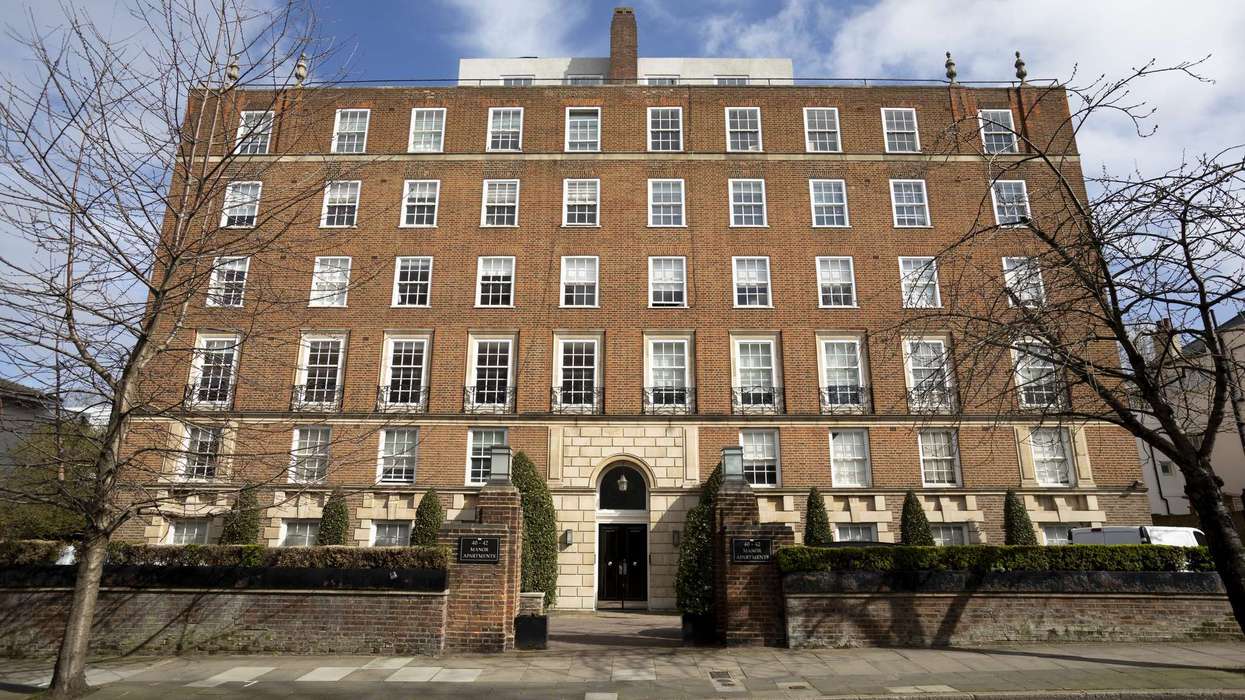
Hotels across England, Wales, Scotland and Northern Ireland including locations in Banbury, Halifax, Aberdeen and Wolverhampton will no longer accommodate asylum seekers.
According to December figures, 103,426 people currently live in asylum accommodation, with 30,657 housed in hotels.
The majority reside in dispersal accommodation, typically houses within communities.
The government expects hotel numbers to fall below the 29,585 figure recorded when Labour assumed power in July 2024.
Financial implications
The financial burden has been substantial. In 2024-2025, the government spent £2.1bn on hotel accommodation, down from £3bn the previous year. The 11 closures will save nearly £65m annually, with further closures planned.
Norris linked the accommodation strategy to deterring Channel crossings, stating traffickers tell people to "come to the UK, live in a hotel, work illegally." However, 100,625 people arrived via small boats in 2025 despite these measures.
The government plans replacing hotels with large, basic accommodation sites, including military barracks. Crowborough barracks in East Sussex now houses up to 350 people, though this has sparked local protests.
Opposition parties criticised the approach. Conservative shadow home secretary Chris Philp accused the government of "shunting people from hotels into residential apartments," while Liberal Democrat Max Wilkinson told BBC that closures merely move the problem elsewhere.
Reform UK demanded detention and deportation rather than alternative accommodation.
Labour has pledged to end hotel use for asylum seekers by July 2029, though asylum seekers cannot work during their first 12 months while claims are processed.