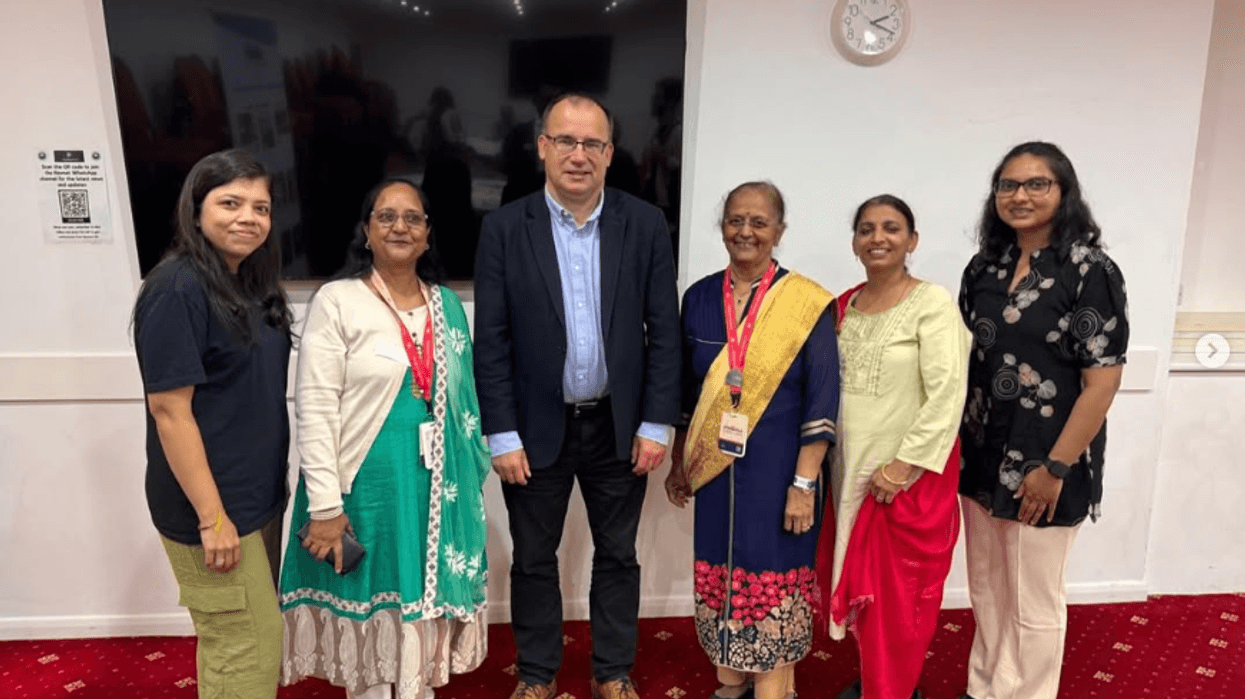

EDUCATORS, school leaders and language specialists came together last Saturday (19) for the National Gujarati Education Conference for Leaders & Teachers 2026 at the Navnat Centre in Hayes, greater London.
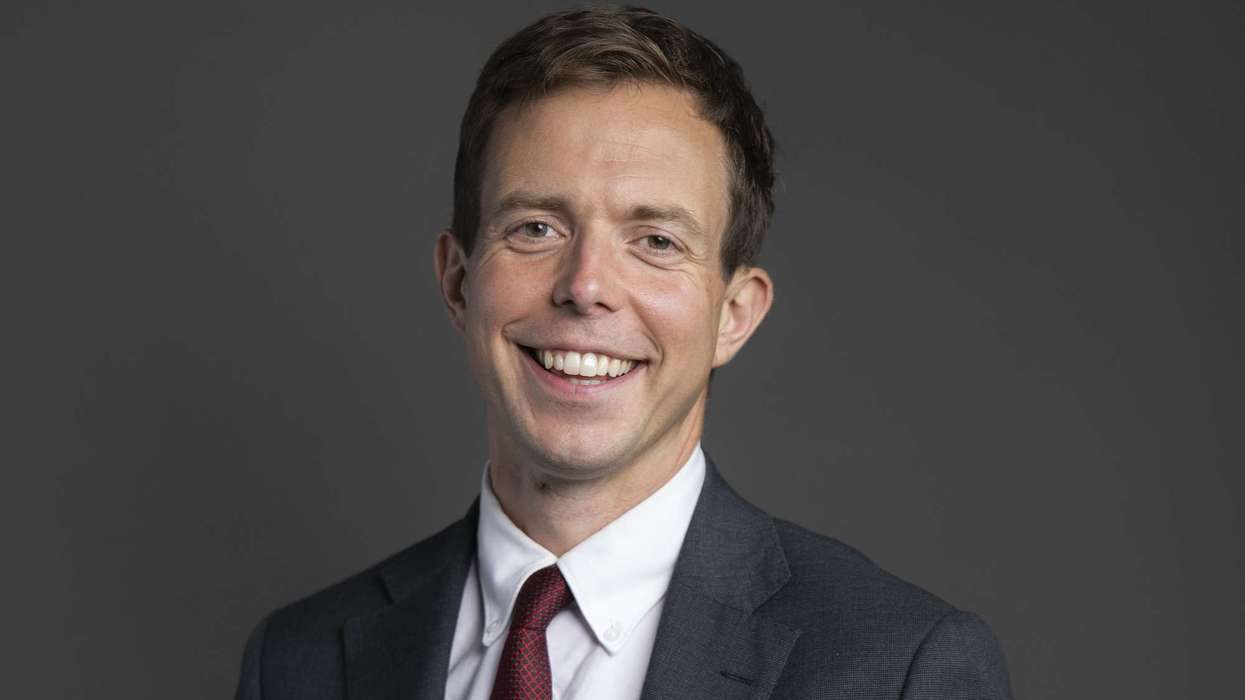
The event was hosted by Gareth Thomas, MP for Harrow West, as part of a campaign he began last year to protect and revive Gujarati teaching in British schools. New figures show GCSE Gujarati entries have fallen 44 per cent in a decade.
“It was great to bring together so many local people, Gujarati schools and teachers, alongside participants from across the UK, to share ideas and discuss the future of Gujarati language education,” Thomas said.
Ahead of the conference, Thomas told Eastern Eye there were several reasons for the decline in the uptake of Gujarati.
Many community-run Gujarati schools face rising costs and struggle to find affordable premises. The Covid pandemic also disrupted years of progress, while weekend classes now compete with a widening range of activities for young people’s time, he said.
“Given the world we are in and the importance of India as a country for Britain to do business with going forward, never mind the strong social and cultural links we have, it makes sense for Britain to try to build up its understanding of the languages of India,” he added. “Gujarati is, without question, one of the key ones.”
Last week’s gathering was a follow-up to a smaller conference Thomas organised two years ago. Turnout was significantly higher, organisers said, reflecting growing recognition among teachers that they are part of a wider national effort rather than working in isolation.
The conference was co-hosted with Bernadette Holmes MBE, honorary professor and director of the National Consortium for Languages Education (NCLE) at UCL’s Institute of Education, and Gujarati education specialist Sonal Shah, a training consultant and former education lead for the Oshwal Association of the UK (OAUK).
Thomas described their involvement as “essential”, crediting the Institute of Education with backing community-language teaching with government funding.
“There are huge benefits for young people in learning the language of their parents and their peers,” the MP said. “You can gain confidence in the classroom in one area, and that confidence can help build up your ability in other areas of the curriculum, as well.”
A significant part of the day was devoted to how artificial intelligence and learning apps are changing heritage-language teaching. A session led by Shah and Shriroop Parikh, a systems engineering and AI specialist, looked at how such tools could support GCSE teaching, while other workshops covered early years, primary, GCSE and A-level classrooms. “Sharing ideas about how to use technology to reduce the burden on teachers, perhaps to enable teaching online on occasion as well, could be very useful,” Thomas said.
He hoped the conference would encourage the Department for Education to take community languages more seriously, particularly given Britain’s recent trade deal with India.
“It would be great to have the department helping to break down some of the barriers between those students who study in Saturday schools and those in mainstream schools,” he said.
Thomas also called on exam boards such as Pearson to deepen their engagement with community teachers, so that “each Gujarati teacher feels confident about what Pearson requires”.
He pointed to schools such as Avanti, where Gujarati is taught as part of the core curriculum, as a model others could follow, much as Mandarin was promoted in UK schools roughly a decade ago.
Harrow is home to a large Gujarati community, and Thomas said hearing the language spoken regularly there was part of what drew him to the campaign.
He argued that confidence in a heritage language helps young people engage more widely with education and, with Gujarat among India’s fastest-growing states, language skills could also help future trade links.
He also revealed plans to extend the same model to support Tamil-language schools, citing a strong network of Tamil schools in his constituency.
Organisers said an informal network that helped plan the conference would continue, with some schools keen to engage directly with the government.
Thomas said he also wants to make it easier for students at Saturday schools in Harrow and north-west London to sit GCSE exams at a local centre.