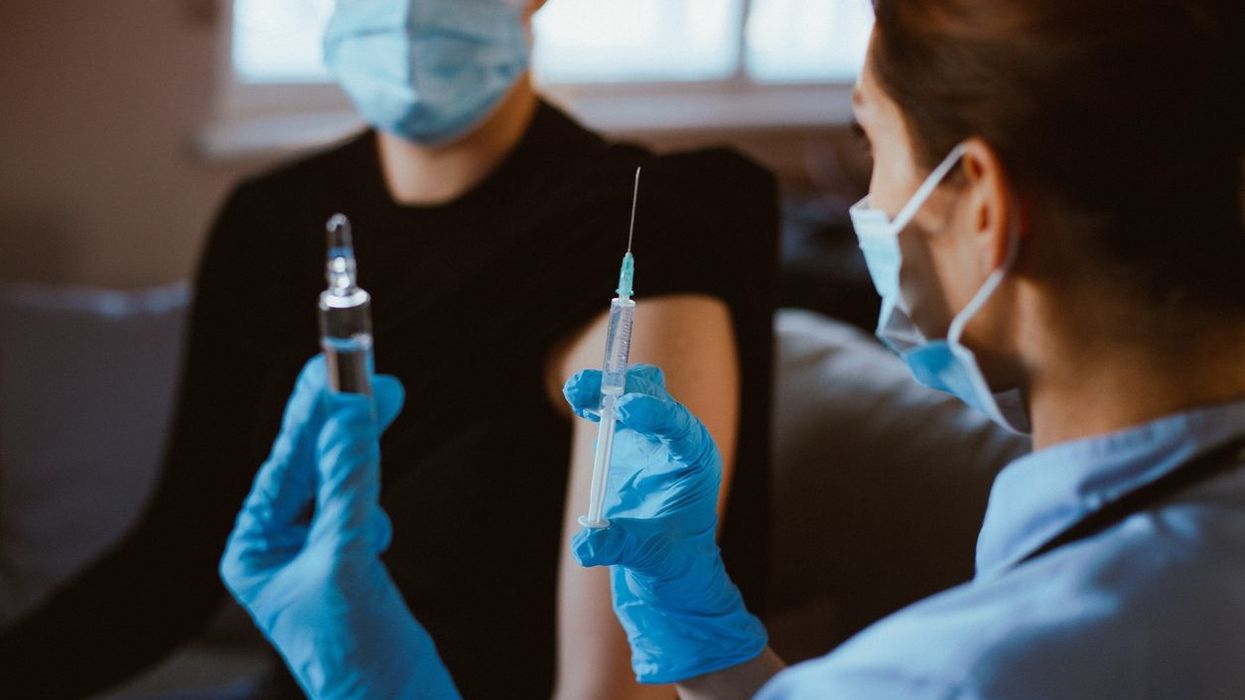

Scientists and researchers are optimistic about cancer vaccines, a groundbreaking advancement in cancer treatment with the potential to revolutionise the field.
These innovative vaccines aim to shrink tumours and prevent cancer recurrence, showing promising results in breast, lung, skin (melanoma), and pancreatic cancers, The Week reported.
Understanding how cancer evades the immune system has led to the development of cancer vaccines and immunotherapies that enhance the immune response to identify and eliminate cancer cells.
Some vaccines utilise mRNA technology, initially developed for cancer and successfully employed in Covid-19 vaccines.
Dr Nora Disis from UW Medicine's Cancer Vaccine Institute in Seattle likened the body’s activated T cells to cells with feet, explaining that these cells can travel through the body, targeting and neutralising cancer cells.
According to researchers volunteer participation is crucial for advancing vaccine research alongside standard treatment.
Additionally, lessons from early failures regarding treatment vaccines have paved the way for new approaches, emphasising the importance of focusing on earlier-stage disease.
In addition to treatment vaccines, researchers are actively exploring preventive vaccines.
In fact, preventive vaccines for liver cancer (Hepatitis B) and cervical cancer (HPV) have already proven effective.
Currently, leading medical institutions are actively recruiting participants, particularly high-risk individuals with BRCA mutations (which increase the risk of breast and ovarian cancer) to eradicate abnormal cells at an early stage and prevent cancer development.
Also, efforts to develop personalised mRNA vaccines for melanoma patients, tailored to their specific mutations, are ongoing but more expensive to produce.
Clinical trials focusing on breast, lung, and ovarian cancers at UW Medicine are underway, with preliminary results expected soon.
While the complete impact of cancer vaccines on individual outcomes is yet to be fully understood, individual success stories inspire hope and further research.
The potential for cancer vaccines to transform cancer treatment motivates scientists and medical professionals in this crucial field.