The increased participation of English players in the IPL, where there is constant pressure to perform, will benefit them during the T20 World Cup to be held in India later this year, reckons star all-rounder Ben Stokes.
Over the years more and more English players have chosen to take part in the lucrative league. This year, there are 14 England cricketers contracted to play IPL, including white-ball skipper Eoin Morgan Jos Buttler, Stokes, Johnny Bairstow, Moeen Ali, Sam Curran, Tom Curran, Sam Billings, Liam Livingstone and Dawid Malan.
“Yes, the percentage of English players in the IPL has probably grown in the last five or so years,” Stokes, who will turn up for the Rajasthan Royals, told Sky Sports.
“Not only is that great for the individual but it is also great for the players involved in the England set-up; it gives them experience in the most high-profile competition in the world but not only that, you are under constant pressure to perform,” the imposing all-rounder added.
India is set to host the T20 World Cup later this year and Stokes feels it is the perfect opportunity for English players, who were a part of the recently-concluded tour of India, to get more familiar with the Indian conditions.
“You’ve got billions of people watching you and you’ve got the pressure of the franchise on you.
“Being constantly exposed to that is a huge benefit to us as a team, especially with the T20 World Cup coming up at the end of the year in India; it's a great chance for the English guys to get more experience in these conditions,” Stokes said.
After being held in the United Arab Emirates last year due to the COVID-19 pandemic, the IPL returns to India and Stokes hopes fans would be allowed back in the stadiums soon.
“It’s great for the competition that it’s come back to its roots after taking place in Dubai last year, which was an achievement in itself.
“Fingers crossed that fans will be allowed back in at some point during this IPL because they are a huge part of this game and why we play.
“It was an amazing feeling to have fans back in the grounds on our (England’s) recent tour of India - even though 100 per cent of the crowd were against us! Being back in the thick of that atmosphere was amazing!”
The Royals had a disappointing campaign last year, finishing last. However, Stokes is optimistic about the season ahead.
“Last year was obviously disappointing. Yes, we finished bottom of the table but I think it’s not as simple as that. We ebbed and flowed with our performances throughout the season: we had some great ones followed by some pretty poor performances.
“But every year is a clean slate and we are really excited about the prospects of what we are able to do on the field this year,” he added.



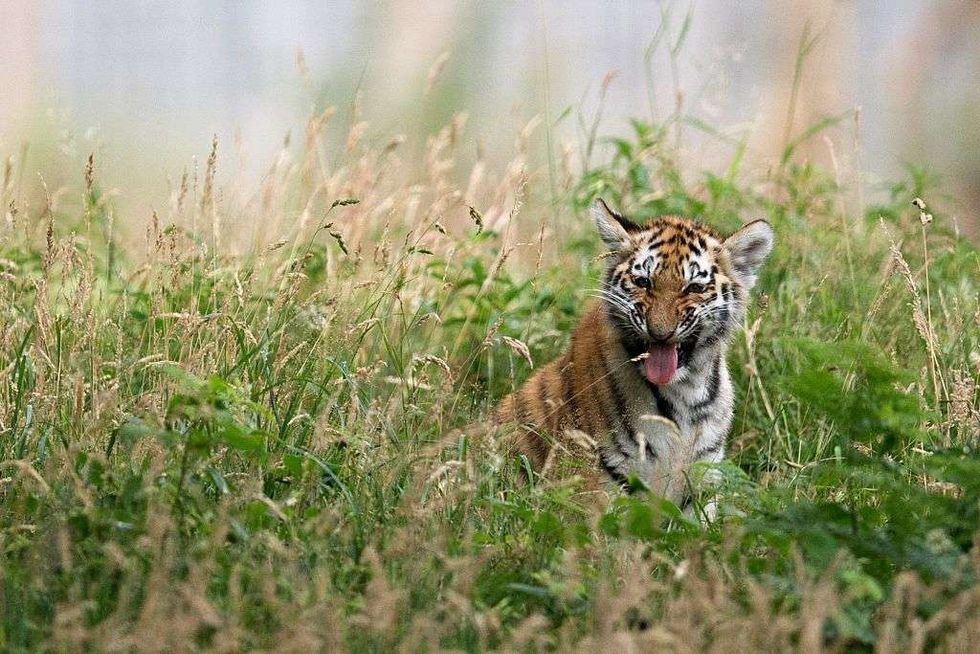 A rare Amur Tiger cub, aged four months, experiences its reserve for the first time at the Yorkshire Wildlife Park near Doncaster, northern England on July 29, 2015. Only around 450 Amur Tigers survive in the wild in their native Russia and Yorkshire Wildlife Park's release of three cubs, named Hector, Harley and Hope, into their reserve coincides with International Tiger Day. Getty Images
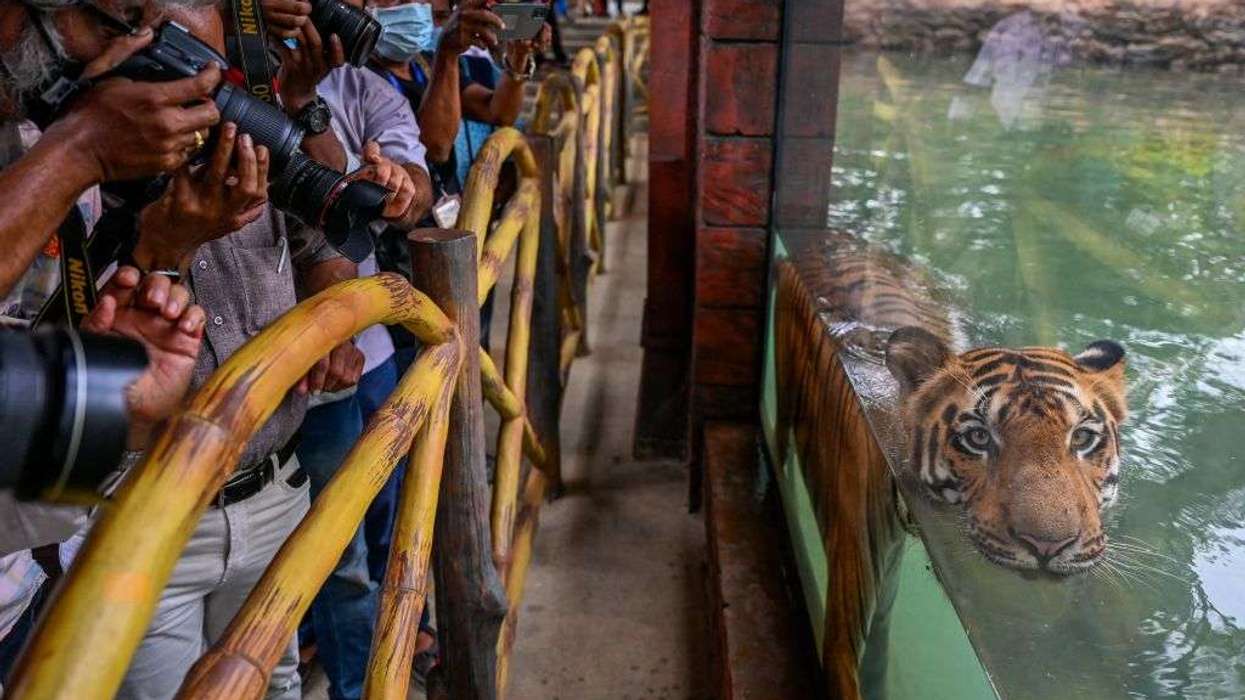
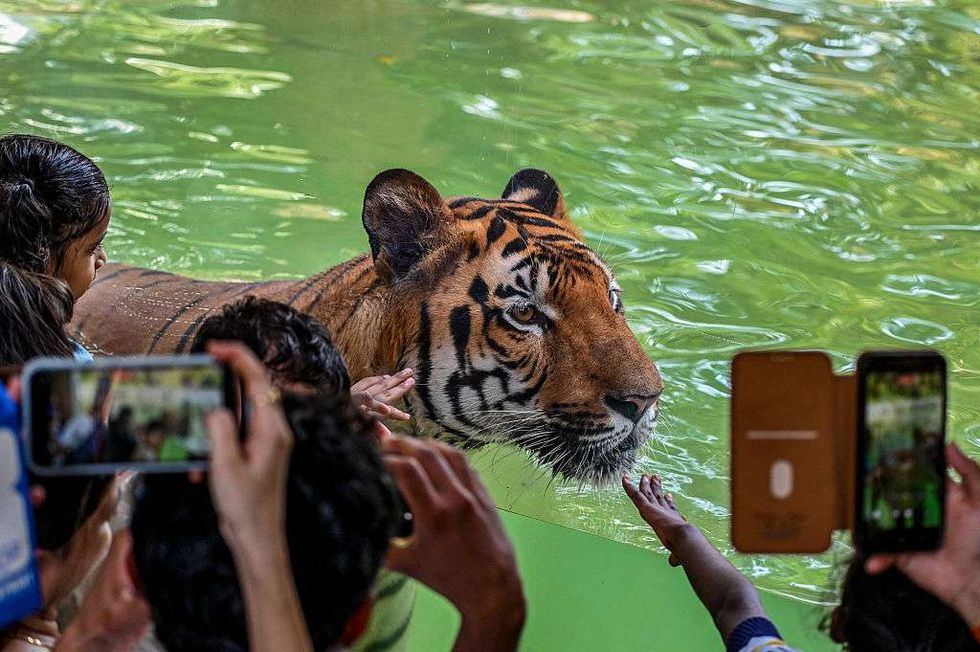 Visitors watch Jai, a Bengal tiger enjoying in a pool on a hot afternoon at the Veermata Jijabai Bhosale Udyan and Zoo in Mumbai on May 10, 2026. Getty Images
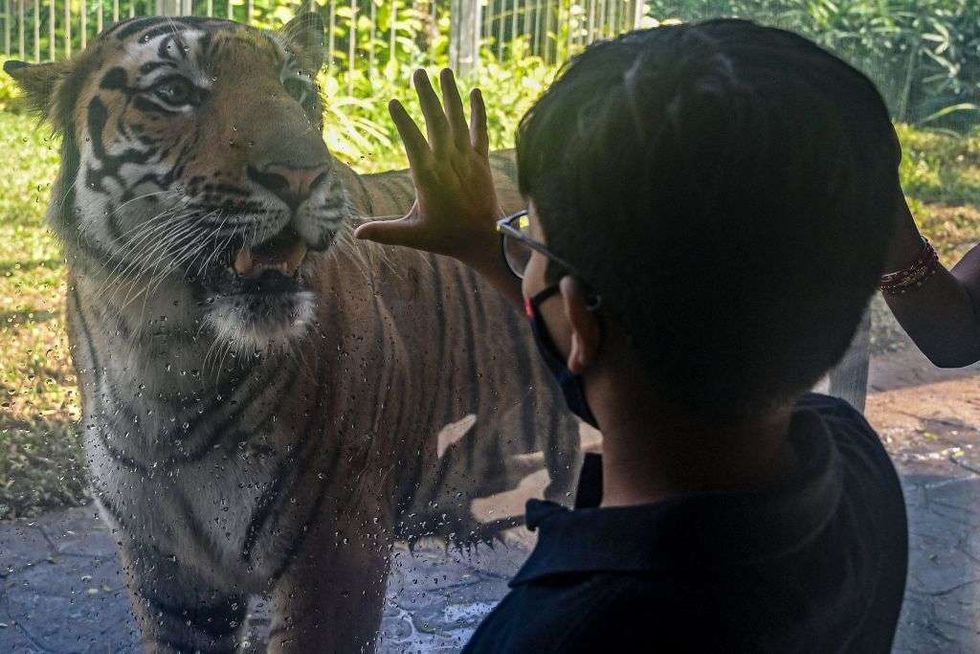 A boy looks at Shakti, a Bengal Tiger strolling inside its enclosure at Veermata Jijabai Bhosale Udyan and Zoo after the facility was reopened for visitors as part of easing of restrictions imposed earlier to curb the Covid-19 coronavirus pandemic in Mumbai on February 10, 2022. Getty Images