
REVIVING OLD CUSTOMS CAN ADD MORE MEANING TO FESTIVALS Reconnecting with lost Eid traditions EID celebrations have evolved over time, beautifully blending tradition with modernity. While many older practices remain, new ways of celebrating the special day, influenced by technology and changing lifestyles, are keeping the spirit of Eid alive in a more globalised world. Here are some newer customs that have been fully embraced by modern society in a positive way.
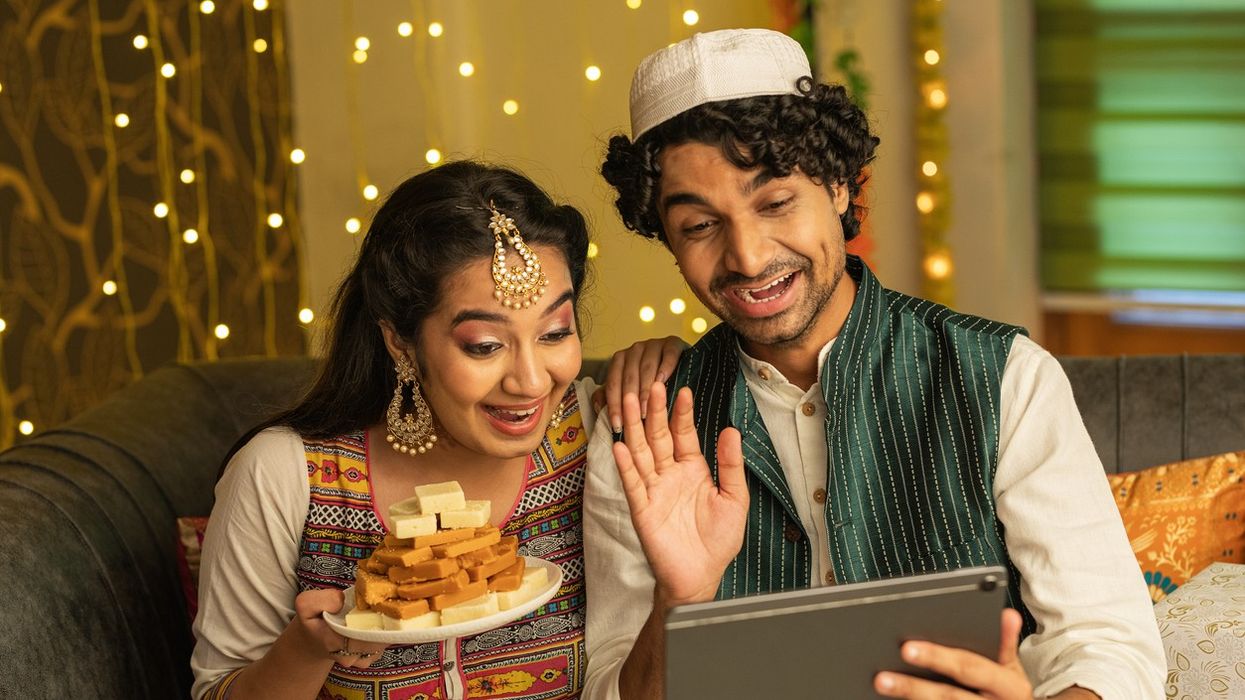
Virtual: In the past, the only way to connect with loved ones far away was through long-distance phone calls, which were limited due to their high cost. Now, Zoom gatherings allow many people from around the world to connect at once.
Social media greeting: It’s now possible to wish more people than ever before a heartfelt Eid Mubarak via social media posts, emails, WhatsApp messages, and e-cards. These platforms collectively allow you to share in the joy, even if you’re miles apart.
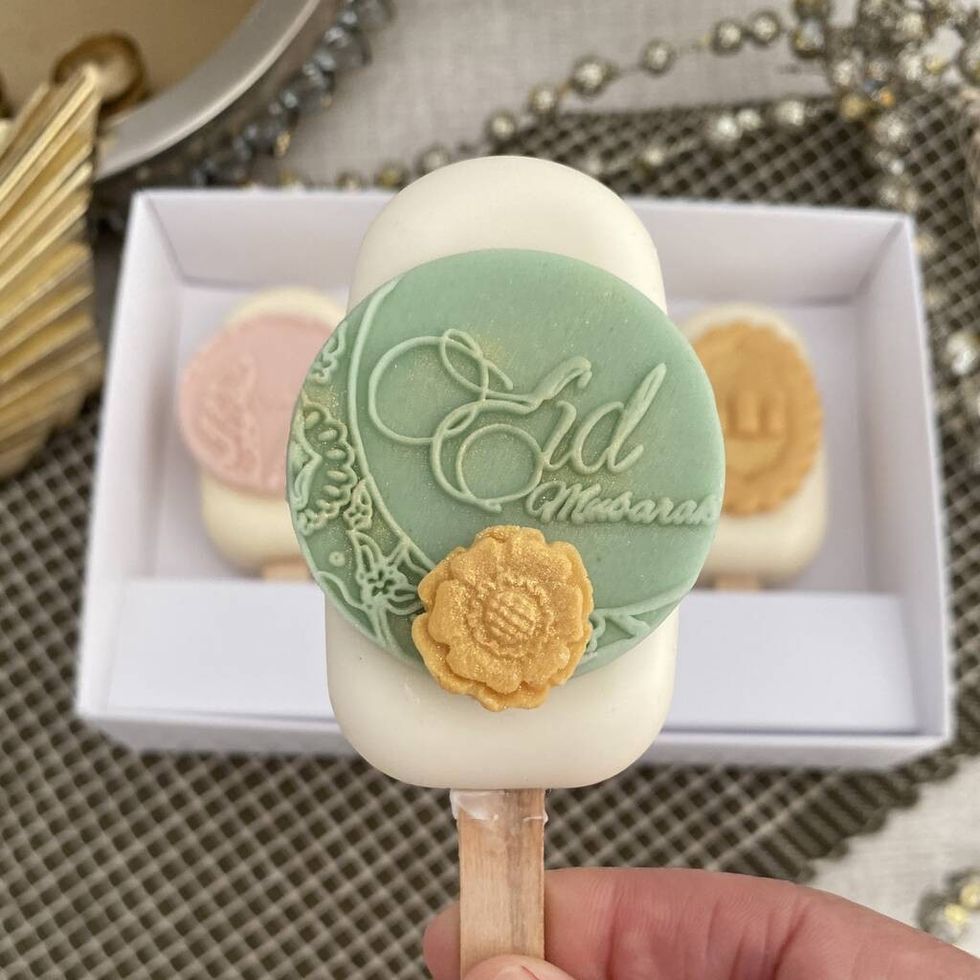
Online shopping: The perfect Eid gift was once hard to find, but that has changed with the ease of online shopping, which offers countless choices, including many you may never have considered before.
Money transfer: Sending financial gifts is now quicker and easier, especially for those who are far apart. Similarly, making Zakat (charity) donations to those in need has become convenient.
Personalised gifts: There are countless options available online to create the perfect personalised gift for a loved one, including customising items with their name or a special message. You can even personalise sweet treats, adding an extra thoughtful touch.
Eid-themed decor: If you don’t have time to make decorations or aren’t sure how, there is now a wide array of Eid-themed decorations available, including balloons, banners, signs, and lights.
Content creation: Social media platforms now allow you to create Eid-themed reels and vlogs. You can also find inspiration from content creators already sharing Eid-related content, such as cooking tutorials, outfit ideas, and top tips.
Eco-friendly: There are now ways to celebrate Eid in an environmentally friendly way. This includes gifting plants instead of material items, using biodegradable decorations, and reducing food waste by distributing excess food to those in need. You can also replace paper greeting cards with digital versions to minimise waste and upcycle old outfits.
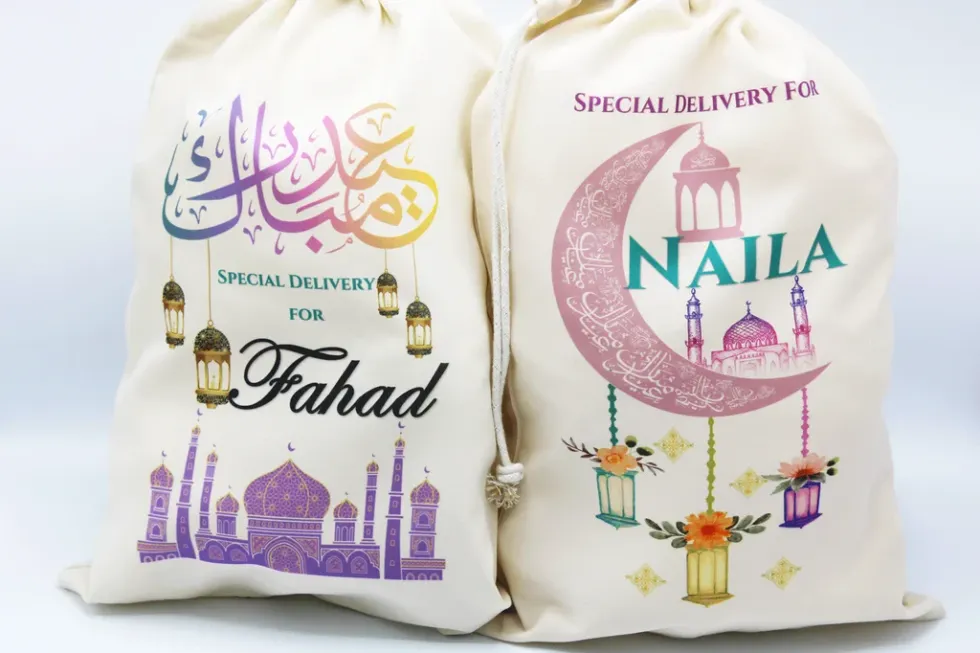
Virtual Eid charity: Zakat (charity) plays a significant role in Ramadan and Eid. Now, there are numerous great causes to donate to online. If you’re raising money for charity, the opportunity to fundraise virtually is easier than ever.
Eid-themed favourites: In addition to personalised gifts like photo albums, you can now create Eid-themed food. These trendy additions to traditional celebrations have made Eid even more heartwarming, visually appealing, and shareable online.