
Highlights
- Google settled for $135 m after lawsuit claimed Android devices used cellular data without permission-.
- Around 100 million US users could be eligible for a payout.
- Final approval hearing is scheduled for June 23, with opt-out deadline of May 29.
The lawsuit accused Google of causing Android devices to send "a variety of information" to its servers with no notice to the user.
Google spokesperson Jose Castaneda told The Post the company was "pleased to resolve this case, which mischaracterised standard industry practices that keep Android safe" and added it would provide "additional disclosures to give people more information about how our services work."
Who gets paid
Around 100 million Americans could be eligible for a share of the settlement. To qualify, a person must be a US resident, not a business, who used an Android device to access the internet on a cellular data plan at any point since 12 November 2017.
Those already part of the separate California case, Csupo v. Google LLC, do not qualify.
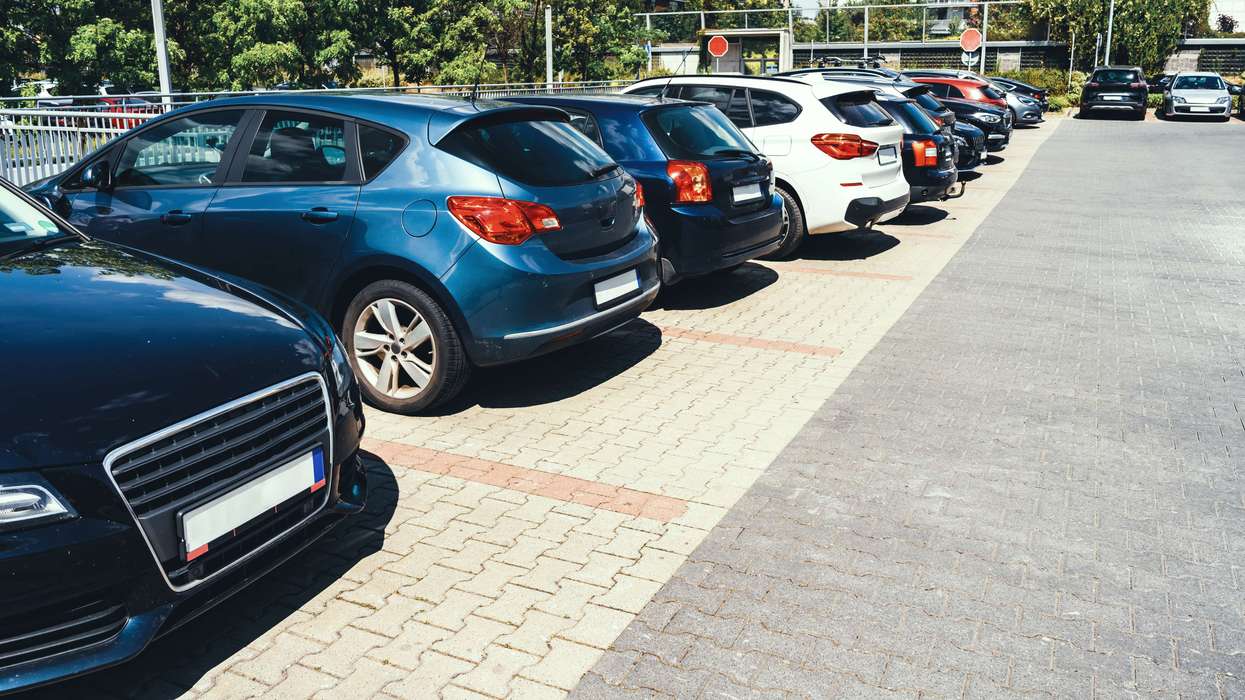
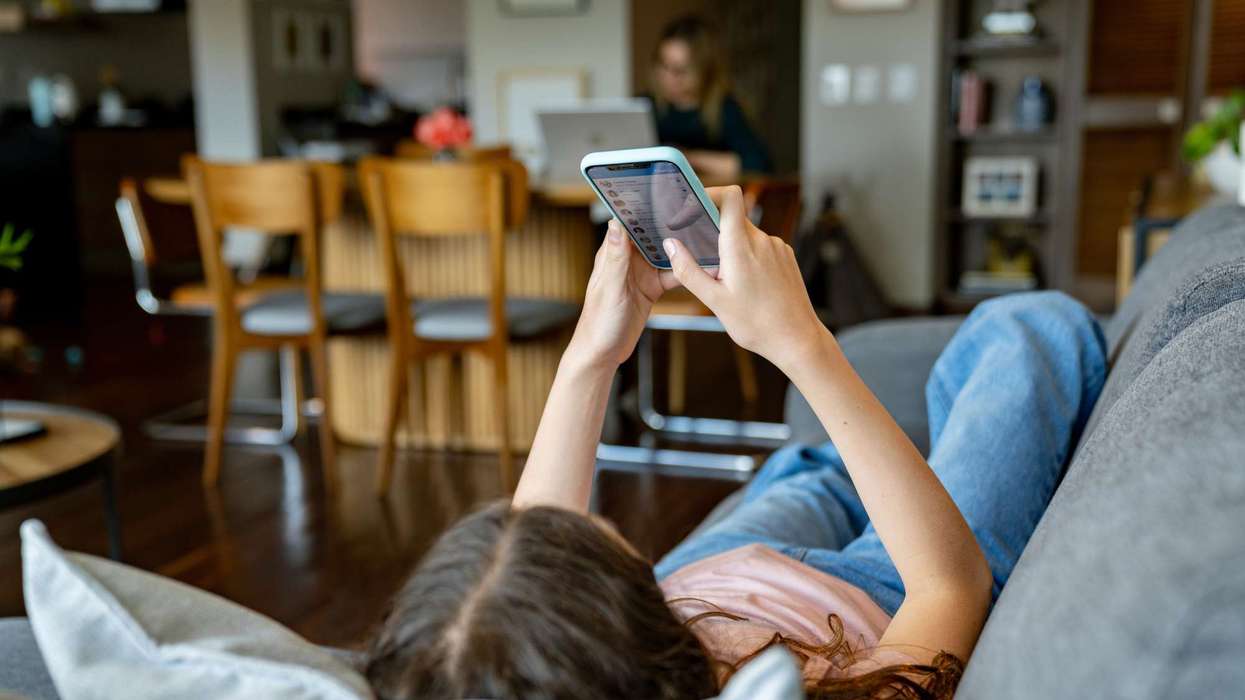
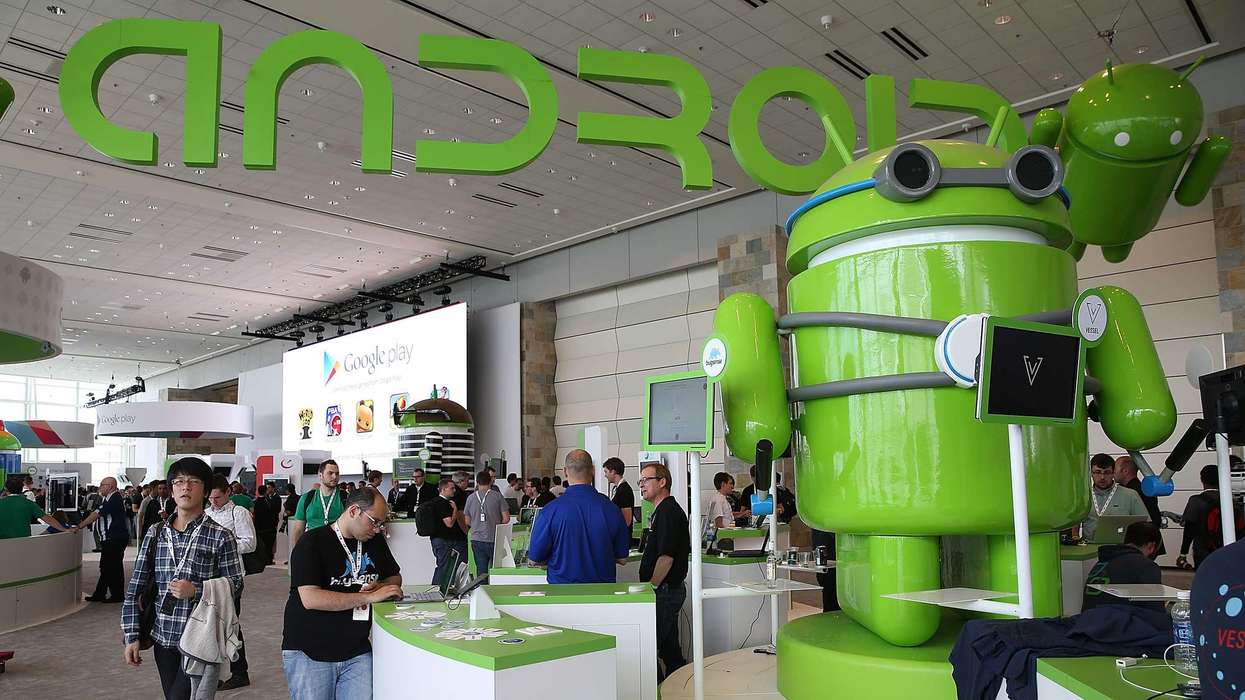 The lawsuit accused Google of causing Android devices to send "a variety of information" to its servers with no notice to the userGetty Images
Individual payouts are expected to be modest, roughly between $1 and $1.50 per person, though payments are capped at $100 depending on how many users ultimately claim.
Eligible users do not need to fill in a traditional claim form but are encouraged to visit the official settlement website, FederalCellularClassAction.com, and select a preferred payment method.
If no method is chosen, administrators may attempt payment through Zelle, PayPal or Venmo using available account details.
Those wanting to opt out and keep their right to sue separately must submit a signed request before 29 May.
The final court approval hearing is set for 23 June. If approved, funds will be distributed among all eligible claimants after attorney fees and court costs are deducted.
Users unsure whether they qualify can contact the settlement administrator on 1-844-655-4255.



 Roblox stays outside Australia’s under-16 ban as compliance is monitoredGetty Images