
Highlights
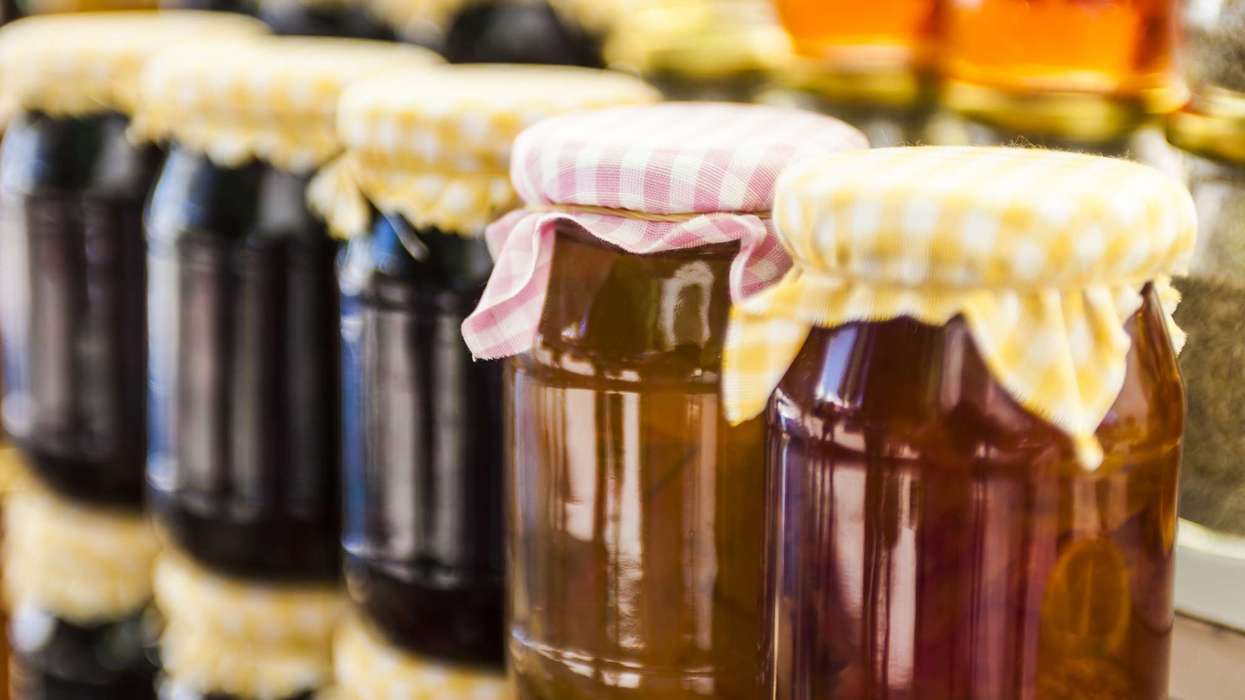
- Marmalade requires new 'citrus' label under EU food agreement.
- Brussels now allows non-citrus spreads to use marmalade name.
- UK bill grants ministers power to align with EU regulations.
The relabelling requirement stems from Brussels updating its food regulations. From June onwards, EU countries can label non-citrus fruit spreads as "marmalade", while citrus-based preserves must carry the "citrus marmalade" designation.
Currently, UK law inherited from pre-Brexit EU regulations restricts the marmalade label exclusively to citrus fruit preserves, with other fruit spreads classified as jam.
The proposed sanitary and phytosanitary agreement would align British standards with these revised European rules.
Starmer is preparing legislation granting ministers authority to bring UK laws into alignment with EU standards on food, animal welfare, and pesticide use.
This process, called dynamic alignment, aims to streamline paperwork for British suppliers exporting to the single market.
Dynamic alignment debate
Ministers contend the changes will have minimal practical impact, as UK food manufacturers largely follow EU regulations already.
However, the arrangement means Britain would adopt Brussels' laws without voting rights, unlike its previous EU membership status.
Government sources maintain the UK will retain influence over EU decision-making within the agreement's scope.
They emphasise British exporters would need to meet EU labelling standards regardless of whether the deal passes.
"British marmalade is not changing; it will still be the same product available in our shops as it is now," a government spokesperson told The Independent.
The spokesperson added: "Our deal with the EU supports businesses by removing the costly red tape that holds back our exporters from our largest trading partner."
Critics worry dynamic alignment surrenders control over domestic lawmaking. The agreement represents part of the government's broader strategy to reset relations with Brussels following years of post-Brexit tensions under Conservative administrations.
The bill enabling these changes will be introduced this year.





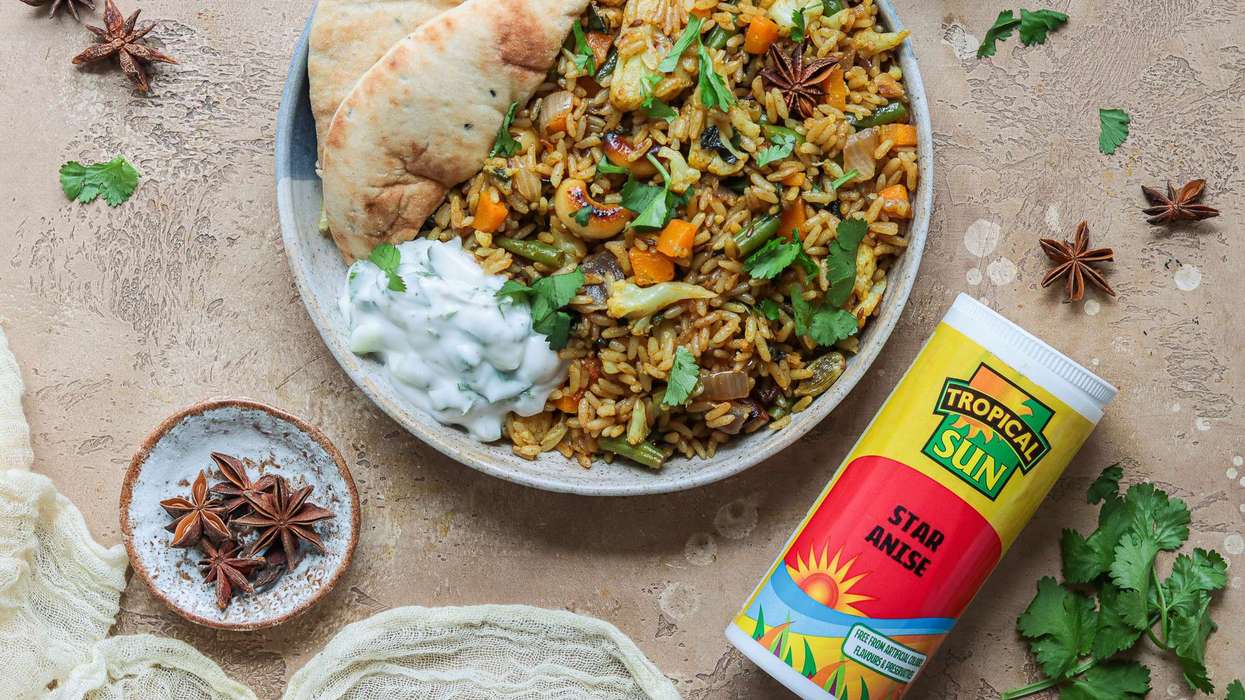
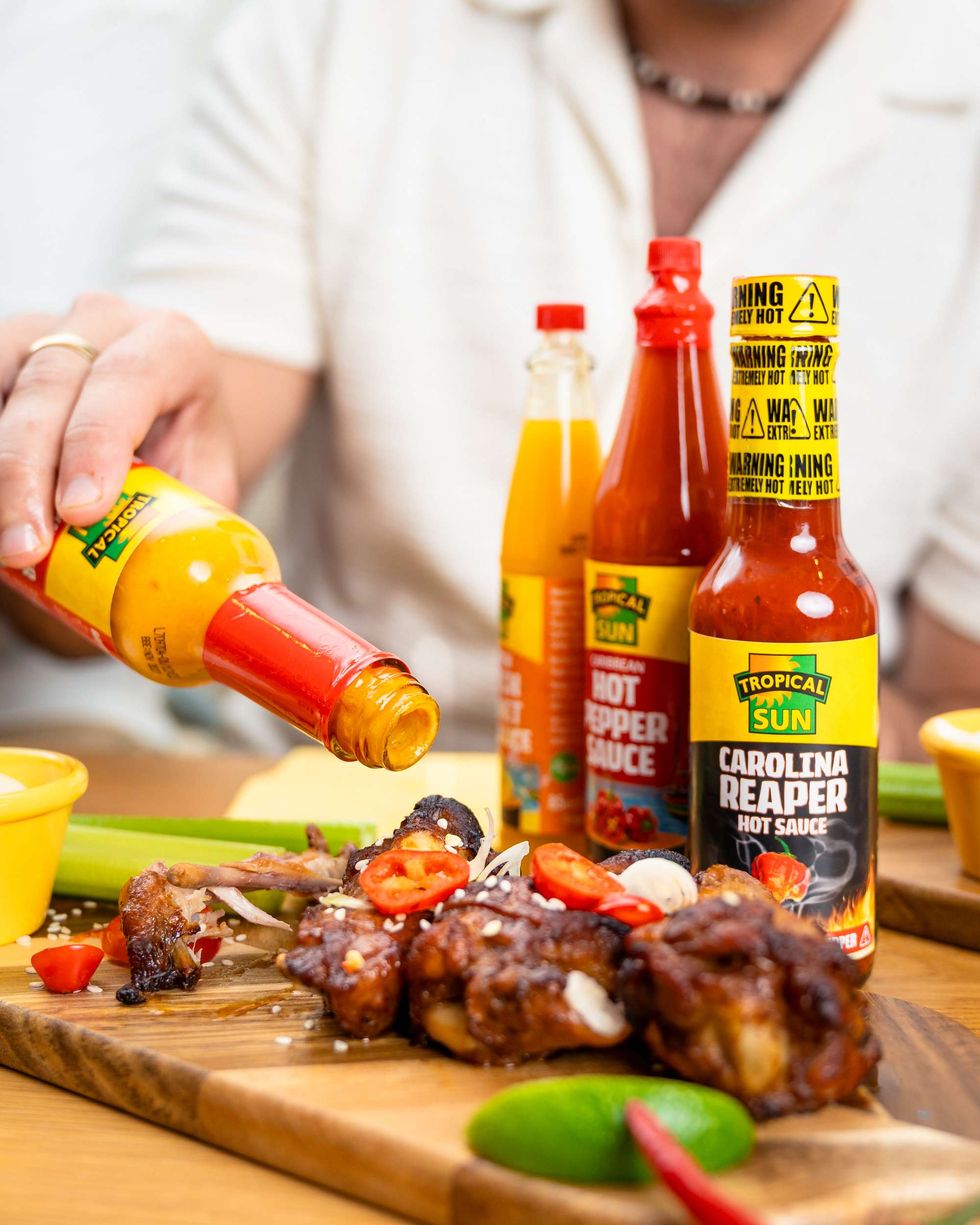 From Spice Girls to spice aisles: Tropical Sun celebrates 30 years of changing British tastes
  Holi Celebrations with Tropical Sunhttps://wetransfer.com/