
Highlights
- 24 individuals and entities sanctioned including four major Russian oil companies.
- Canadian-Pakistani billionaire Murtaza Lakhani accused of trading Russian oil through shadow fleet.
- Measures target cotton pulp supply chains from Central Asia used in Russian ammunition production.
Britain imposed sanctions on Thursday against more Russian oil companies and Canadian-Pakistani tycoon Murtaza Lakhani as part of escalating efforts to pressure Moscow over the Ukraine war.
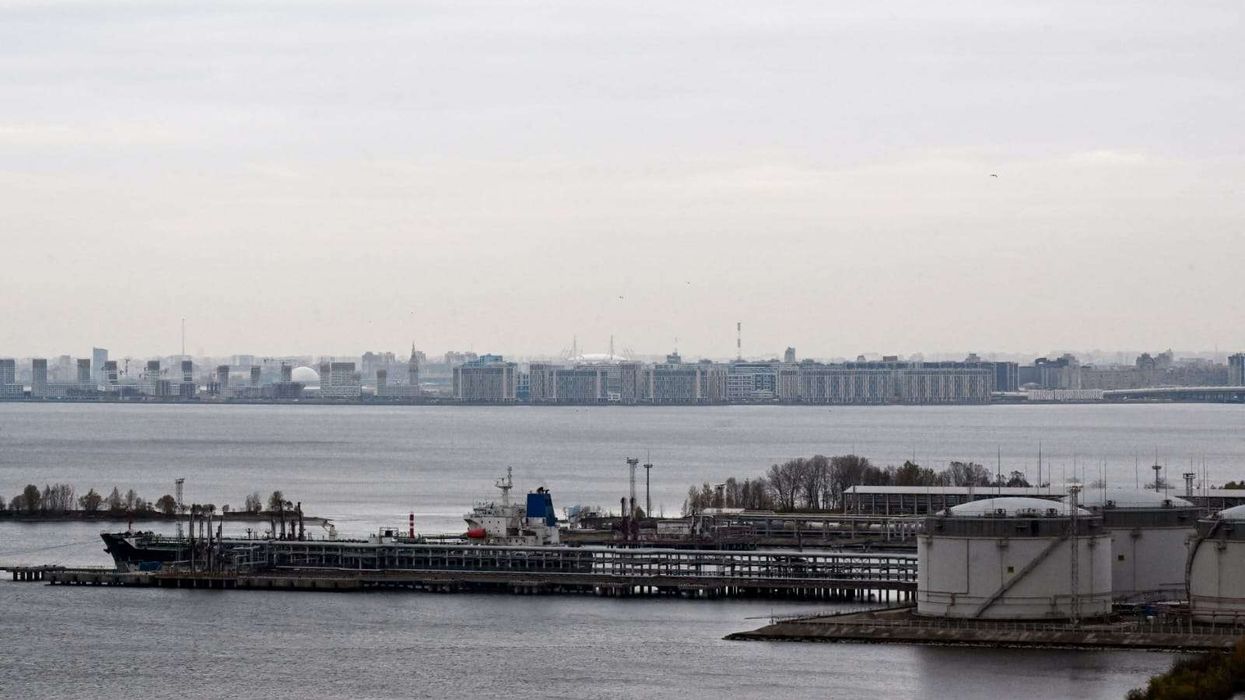
The government targeted 24 individuals and entities, including Russia's largest remaining unsanctioned oil firms, Tatneft, Russneft, NNK-Oil and Rusneftegaz.
The measures follow October's sanctions on Russia's two biggest oil companies, Lukoil and Rosneft, and aim to further restrict Russia's ability to trade oil globally.
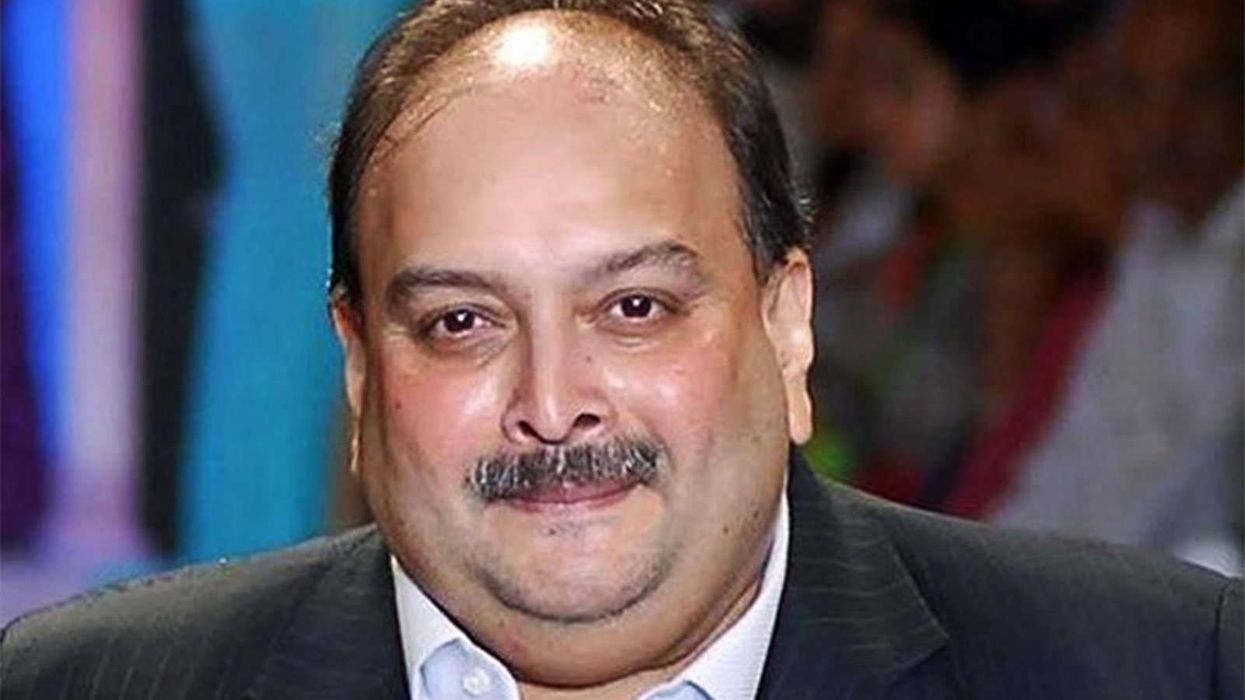
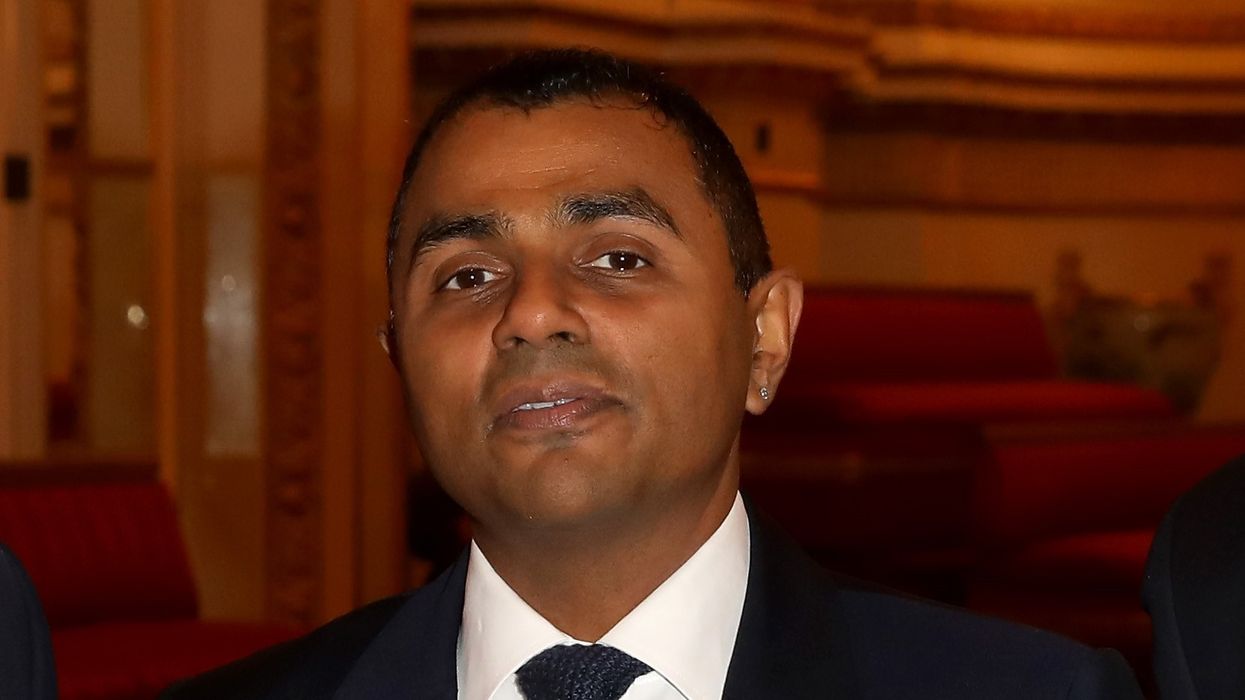
Lakhani, 63, who was also sanctioned by the European Union earlier this week, runs mid-sized trading firm Mercantile & Maritime. The British government said his companies had become some of the largest traders of Russian oil since 2022.
Lakhani denies allegations
The former Glencore executive's firm, which operates offices in Singapore and London, strongly rejected the allegations.
"Mr Lakhani denies the allegations that he owns or controls any shadow fleet of vessels trading Russia petroleum products in breach of any applicable sanctions law," Mercantile & Maritime said in a statement.
The company added that Lakhani is "immediately pursuing all avenues of legal remedy and redress to defend, refute, and appeal the unfounded, unfair and politically motivated sanction designations of the EU and UK."
Thursday's sanctions package also targets Central Asian supply chains of cotton pulp, a key component in ammunition, explosives and missile fuel that Russia cannot produce at scale, according to the British government.
The move comes as the EU imposed sanctions on 41 additional ships in Russia's so-called shadow fleet, which attempts to circumvent Western trading restrictions. Russia has previously dismissed Western sanctions as politically motivated.