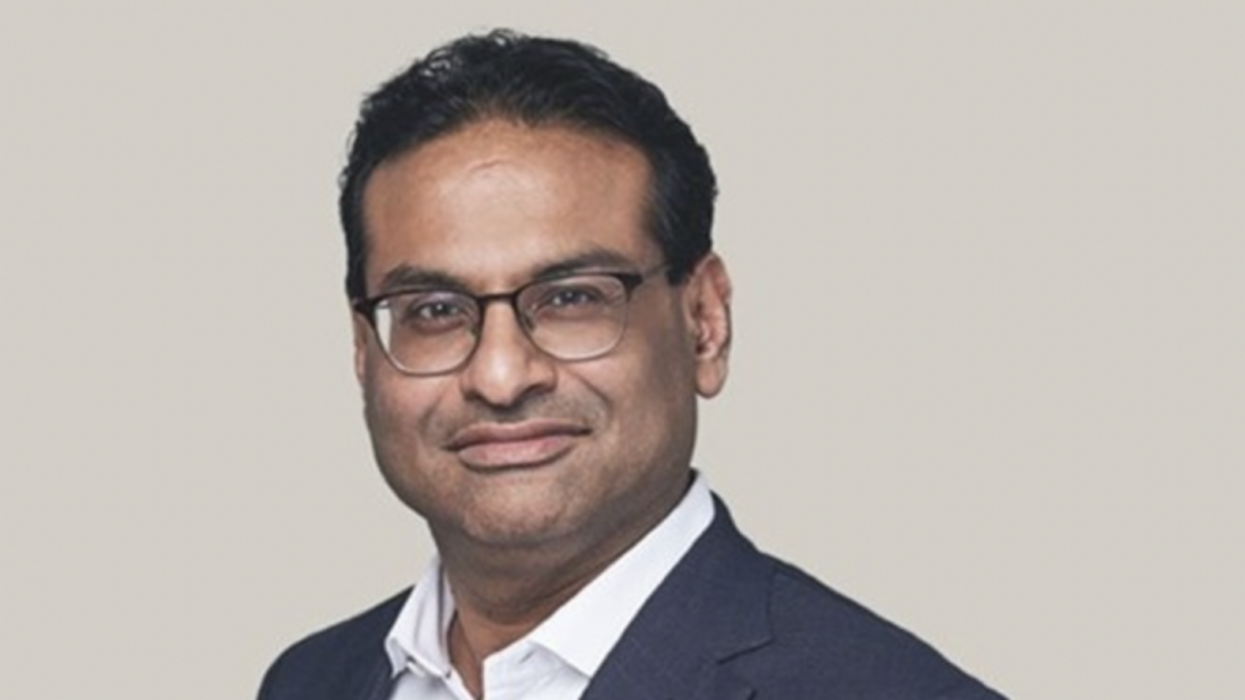

STARBUCKS said on Tuesday (13) that Brian Niccol, chief executive at Chipotle, would be the coffee chain's new CEO -- just over a year after current boss Laxman Narasimhan took over the role.
Narasimhan steps down as chief executive and as a member of the Starbucks board "with immediate effect," said the company in a statement.
The leadership shifts come as Starbucks pushes to turn around its business, while contending with broad-based sales declines in its most recent financial results.
Starbucks has cited weakening consumer sentiment and difficult market conditions in China as factors in its troubles.
"Brian is a culture carrier who brings a wealth of experience and a proven track record of driving innovation and growth," said Starbucks board chair Mellody Hobson in a statement as the comapny announced the leadership changes.
Niccol has served as Chipotle's CEO since 2018.
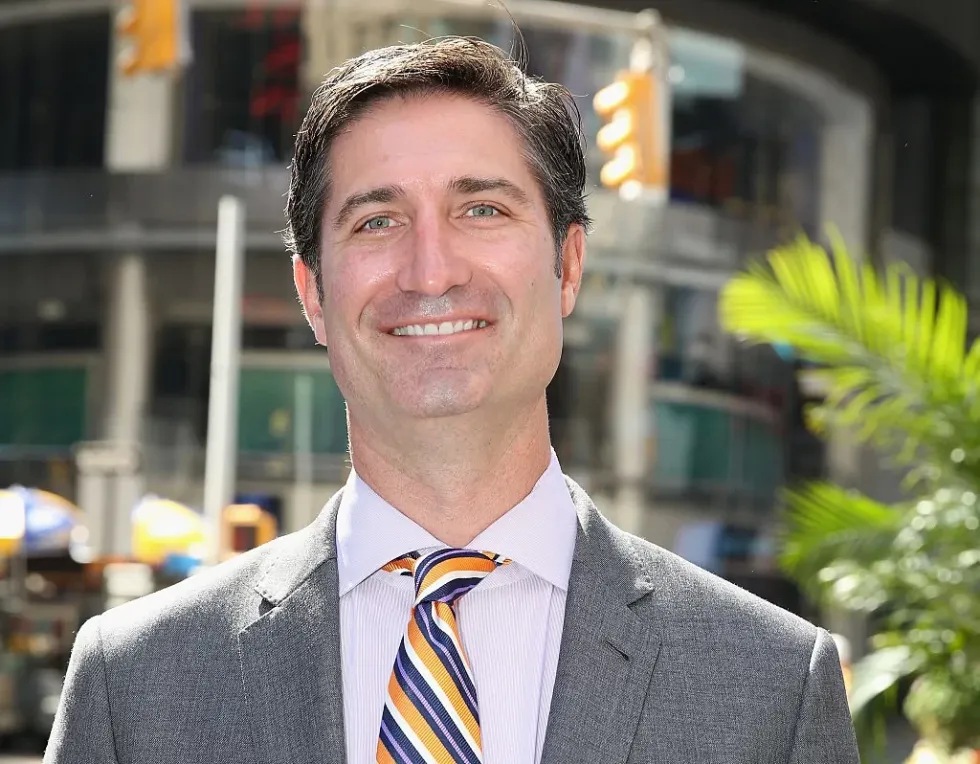 FILE PHOTO: Brian Niccol. (Photo by Robin Marchant/Getty Images)
In naming him Starbucks' new CEO, the company noted that his work at Chipotle had "driven significant growth and value creation," citing revenue that has nearly doubled and rising profit.
Narasimhan, a veteran of PepsiCo and other consumer brands, had taken over the top spot in 2023 after a period working with longtime Starbucks CEO and interim boss Howard Schultz.
The statement noted that Narasimhan, during his tenure, drove innovation in the brand's supply chains and boosted its store operations.
“On behalf of the board, I want to sincerely thank Laxman for his contributions to Starbucks, and his dedication to our people and brand,” said Hobson. “In the face of some challenging headwinds, Laxman has been laser focused on improving the business to meet the needs of our customers and partners. We all wish him the very best and know he will do great things in the future.”
Niccol will start in his new role on September 9, with Starbucks chief financial officer Rachel Ruggeri serving as interim CEO until then.
Narasimhan was previously the CEO of UK-based Reckitt Benckiser, a multinational consumer health, hygiene and nutrition company.
He holds a degree in Mechanical Engineering from the College of Engineering, University of Pune, India. He has an MA in German and International Studies from The Lauder Institute at The University of Pennsylvania and an MBA in Finance from The Wharton School of The University of Pennsylvania.
Previously, Narasimhan held various leadership roles at PepsiCo, including as global chief commercial officer, where he was responsible for the company's long-term strategy and digital capabilities.
He also served as CEO of the company's Latin America, Europe and Sub-Saharan Africa operations, and previously as the CEO of PepsiCo Latin America, and the CFO of PepsiCo Americas Foods.
Prior to PepsiCo, Narasimhan was a senior partner at McKinsey & Company, where he focused on its consumer, retail and technology practices in the US, Asia and India and led the firm's thinking on the future of retail.
Starbucks last month reported lower profits due to broad-based sales declines. The results came on the heels of a bruising April earnings report that drew a tough response on Wall Street.
The firm has cited weakening consumer sentiment and difficult market conditions in China as factors in its troubles.
(with inputs from AFP)