
According to a Sydney-based beauty scientist Hannah English, there are five 'beauty red flags' all women are guilty of.
Some of the things people shouldn’t be doing include using a loofah, mixing sunscreen with foundation and spraying perfume on their neck and chest – all of these are bad things women do with their beauty regimes, the Daily Mail reports.
Speaking about the beauty errors many people commit, in a recent video Hannah reportedly said, 'These are the five things I would never do as a scientist in beauty.'
1. Use a loofah
The first thing Hannah never does is to use a loofah while bathing. According to the scientist, they are supposedly dirty and probably filled 'with mould'.
She is quoted as saying, 'They are disgusting, no one ever washes them and they probably definitely have mould in them.’
Her advice is to use your hands to wash your body and throw your loofah out – as it could give you rashes on your body.
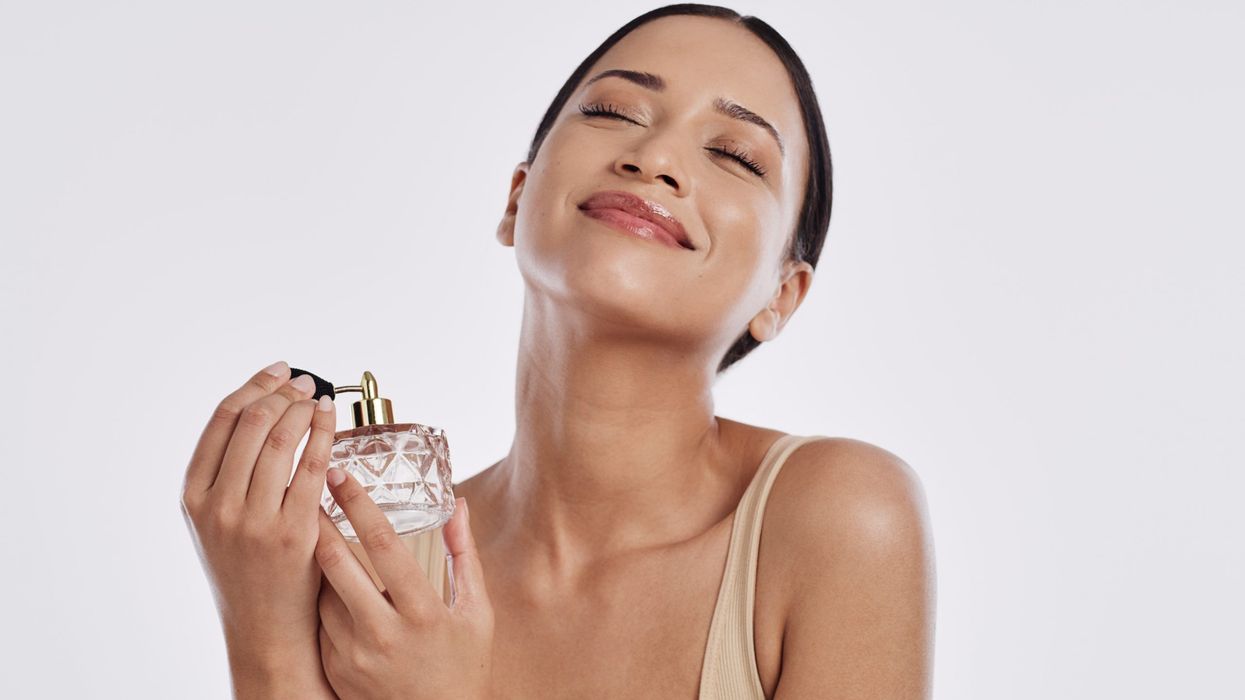
2. Apply perfume on the neck and chest
The reason Hannah never spraying perfume on her neck and chest area is because perfumes have 'compounds in them that aren't necessarily bad for you, but they do make your skin more photo-sensitive,' she said.
She advises spraying perfume on the back and neck underneath the hair – something that she does for an amazing fragrance and for the scent to linger and last longer.
3. Mix sunscreen with other face cosmetics
Many women combine foundation and sunscreen to get benefits from both products. However, according to Hannah, the mixing of products is a strict no.
She is quoted as saying, 'By all means, put your moisturiser on, let that dry, then put your sunscreen on and let that dry and then go in with any makeup.
'But please do not mix any tint, any bronzer or any foundation with your sunscreen.
'The reason for that is because it needs to form an even film on your skin and this could make it patchy and de-stabilise the whole thing.'
4. Consider preservative-free to be a good thing
Beauty products marketed as 'preservative-free' is not a good thing, Hannah informs.
‘Preservatives are put in products to stop mould from getting in,' she said.
Water-based products need preservatives without which they will get mouldy, leading to rashes on your skin.
5. Rely on the sun protection in your foundation
Finally, the SPF in your makeup cannot be relied upon to protect you, Hannah states.
Your foundation may say it’s SPF30+ or SPF50+, however, the right amount of sun protection you actually need is 1/4 of a teaspoon or approximately 1mL which works out to be far more SPF than you would ever apply as the foundation on your face.
'If you've ever measured out 1mL of foundation, you'll know that no one ever wears that much foundation,' she said.
Instead, the scientist advises you to apply your SPF and then apply your foundation, tinted moisturizer, or BB cream on top.